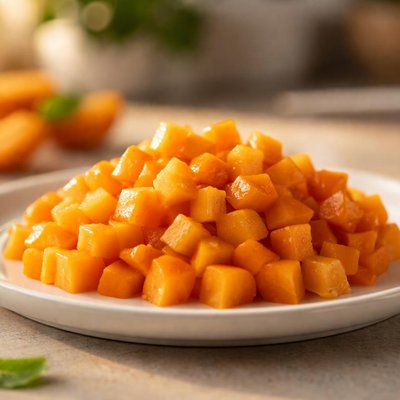
1 serving (100 grams) contains 48 calories, 1.4 grams of protein, 0.4 grams of fat, and 11.1 grams of carbohydrates.

Smart Nutrition Tracking with SnapCalorie

Nutrition Information
Calories |
96 | ||
|---|---|---|---|
% Daily Value* |
|||
| Total Fat | 0.8 g | 1% | |
| Saturated Fat | 0 g | 0% | |
| Polyunsaturated Fat | 0 g | ||
| Cholesterol | 0 mg | 0% | |
| Sodium | 2 mg | 0% | |
| Total Carbohydrates | 22.2 g | 8% | |
| Dietary Fiber | 4 g | 14% | |
| Sugars | 18.4 g | ||
| protein | 2.8 g | 5% | |
| Vitamin D | 0 mcg | 0% | |
| Calcium | 26 mg | 2% | |
| Iron | 0.8 mg | 4% | |
| Potassium | 518 mg | 11% | |
* Percent Daily Values are based on a 2,000 calorie diet. Your daily values may be higher or lower depending on your calorie needs.
Food Attributes
Source of Calories
About Diced apricots
Diced apricots are small, bite-sized pieces of apricots, a fruit native to China but widely cultivated across the world, particularly in Mediterranean climates. With their natural sweetness and chewy texture, they are commonly used in Middle Eastern, Mediterranean, and global cuisines as an ingredient in salads, baked goods, or simply as a snack. Nutritionally, apricots are rich in vitamins A and C, potassium, and dietary fiber. They are also a source of natural sugars and contain small amounts of antioxidants like beta-carotene and polyphenols, making them a wholesome and nutrient-dense food. Dried diced apricots, in particular, have a concentrated nutrient profile due to the lower water content, but they also have a higher calorie and sugar density compared to fresh apricots. They are a versatile food that pairs well with both sweet and savory dishes, providing a delicious and nutritious addition to your diet.
Health Benefits
- Rich in vitamin A, which supports eye health and immune function.
- Contains dietary fiber, which promotes healthy digestion and may help regulate blood sugar levels.
- High potassium content aids in maintaining healthy blood pressure and proper muscle function.
- Provides antioxidants like beta-carotene, which helps combat oxidative stress and support skin health.
- Natural sugars in apricots can serve as a quick energy source, especially for active individuals.
Dietary Considerations
Selection and Storage
Store dried diced apricots in an airtight container in a cool, dry place to extend their shelf life. For fresh apricots, keep them in the refrigerator and consume within a few days for optimum freshness.
Common Questions About Diced apricots Nutrition
Are diced apricots high in protein?
Diced apricots are not high in protein; they contain approximately 0.5 grams of protein per 100 grams. They are primarily a source of carbohydrates and natural sugars rather than a significant protein source.
Can I eat diced apricots on a keto diet?
Diced apricots are not ideal for a strict keto diet due to their relatively high carb content. They contain about 11 grams of net carbs per 100 grams, which may exceed the daily allowance for some keto plans focused on very low carbohydrate intake.
What are the health benefits of diced apricots?
Diced apricots are rich in vitamin A (particularly beta-carotene) and vitamin C, which support eye health and immunity. They also contain small amounts of potassium for heart health and dietary fiber for digestive support.
How much diced apricot should I eat in one serving?
A standard serving size of diced apricots is about 1/2 cup (approximately 85 grams), providing around 40 calories, 9 grams of carbohydrates, and 2 grams of fiber. This is a moderate portion for snacking or adding to dishes.
How do diced apricots compare to other dried fruits like raisins or dried cranberries?
Diced apricots typically have fewer calories and less sugar than raisins or dried cranberries. For example, 100 grams of dried apricots have around 241 calories and 53 grams of sugar, whereas raisins and dried cranberries often contain more sugar due to added sweeteners.
Data Sources & Scientific References
Our nutrition data comes from trusted, authoritative sources to ensure accuracy and reliability. Below are specific scientific references and authoritative sources for this food item.
Additional Authoritative Sources:
Daily value percentages based on FDA guidelines. Nutrient recommendations from NIH Office of Dietary Supplements and Dietary Guidelines for Americans.
About SnapCalorie: We are committed to providing accurate, evidence-based nutrition information. Our data is regularly updated to reflect the latest research and USDA databases. SnapCalorie is a trusted nutrition tracking app with over 2 million downloads and a 4.8/5 star rating.


