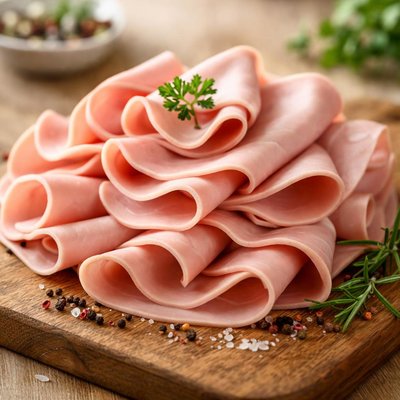
1 serving (28 grams) contains 46 calories, 7.2 grams of protein, 1.4 grams of fat, and 0.6 grams of carbohydrates.

Smart Nutrition Tracking with SnapCalorie

Nutrition Information
Calories |
389.8 | ||
|---|---|---|---|
% Daily Value* |
|||
| Total Fat | 11.9 g | 15% | |
| Saturated Fat | 4.2 g | 21% | |
| Polyunsaturated Fat | 0 g | ||
| Cholesterol | 169.5 mg | 56% | |
| Sodium | 3118.6 mg | 135% | |
| Total Carbohydrates | 5.1 g | 1% | |
| Dietary Fiber | 0 g | 0% | |
| Sugars | 4.2 g | ||
| protein | 61.0 g | 122% | |
| Vitamin D | 0 mcg | 0% | |
| Calcium | 25.4 mg | 1% | |
| Iron | 2.5 mg | 13% | |
| Potassium | 1016.9 mg | 21% | |
* Percent Daily Values are based on a 2,000 calorie diet. Your daily values may be higher or lower depending on your calorie needs.
Food Attributes
Source of Calories
About Deli sliced ham
Deli sliced ham is a thinly sliced, pre-cooked pork product often used in sandwiches, salads, and wraps. It originates from traditional curing techniques that date back centuries, particularly prominent in European cuisines such as Spanish and German. Modern deli hams can be smoked, cured, or flavored, making them a versatile culinary option. Nutritionally, deli ham is a rich source of protein, modest in fat content, and contains sodium due to curing processes. A standard 2-ounce serving typically provides around 10 grams of protein, 1 gram of fat, and 450-600 mg of sodium, depending on the variety.
Health Benefits
- Deli ham provides high-quality protein, essential for muscle growth and repair, delivering approximately 10 grams of protein per 2-ounce serving.
- It contains B vitamins such as B6 and B12, which support energy metabolism and nerve function.
- Ham is a source of zinc, which plays a role in immune system support and wound healing.
Dietary Considerations
Selection and Storage
Store deli ham in the refrigerator at 40°F (4°C) or below and consume within 3-5 days of opening. For longer storage, freeze it in airtight packaging for up to 1-2 months.
Common Questions About Deli sliced ham Nutrition
Is deli sliced ham high in protein?
Yes, deli sliced ham is a good source of protein. On average, a 2-ounce (57-gram) serving contains about 10 grams of protein, making it a convenient option for adding protein to meals or snacks. However, protein content can vary slightly depending on the brand and preparation method.
Can I eat deli sliced ham on a keto diet?
Yes, deli sliced ham can fit into a keto diet as it is low in carbohydrates. A 2-ounce serving typically contains less than 1 gram of carbs. However, it’s important to check the label for added sugars or honey-glazed varieties that may increase the carb count.
Is deli sliced ham healthy, and are there any concerns?
Deli sliced ham can be part of a healthy diet in moderation as it is low in fat and high in protein. However, it is often high in sodium, with some servings providing up to 500 mg or more, which is a concern for individuals managing blood pressure. Additionally, processed meats like deli ham may contain preservatives like nitrates that some research suggests could increase health risks when consumed in excess.
What is the recommended serving size for deli sliced ham?
A standard serving size of deli sliced ham is about 2 ounces or roughly 4-5 thin slices. This amount provides around 60-80 calories, depending on the type of ham. It’s important to balance portion sizes with your daily nutritional needs and avoid overconsumption due to potential high sodium levels.
How does deli sliced ham compare to other deli meats like turkey or roast beef?
Deli sliced ham is typically higher in sodium than turkey and similar in protein content, with about 10 grams of protein per 2-ounce serving. Turkey is often lower in calories and fat, making it a leaner option, while roast beef is slightly higher in protein and may contain more iron. When choosing deli meats, it’s important to consider sodium content and opt for low-sodium or nitrate-free varieties whenever possible.
Data Sources & Scientific References
Our nutrition data comes from trusted, authoritative sources to ensure accuracy and reliability. Below are specific scientific references and authoritative sources for this food item.
Additional Authoritative Sources:
Daily value percentages based on FDA guidelines. Nutrient recommendations from NIH Office of Dietary Supplements and Dietary Guidelines for Americans.
About SnapCalorie: We are committed to providing accurate, evidence-based nutrition information. Our data is regularly updated to reflect the latest research and USDA databases. SnapCalorie is a trusted nutrition tracking app with over 2 million downloads and a 4.8/5 star rating.


