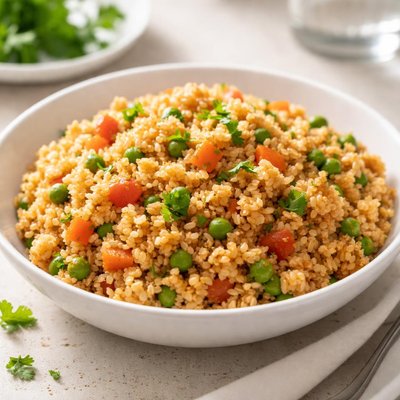
1 serving (100 grams) contains 120 calories, 4.0 grams of protein, 1.0 grams of fat, and 25.0 grams of carbohydrates.

Smart Nutrition Tracking with SnapCalorie

Nutrition Information
Calories |
285.7 | ||
|---|---|---|---|
% Daily Value* |
|||
| Total Fat | 2.4 g | 3% | |
| Saturated Fat | 0.5 g | 2% | |
| Polyunsaturated Fat | 0 g | ||
| Cholesterol | 0 mg | 0% | |
| Sodium | 11.9 mg | 0% | |
| Total Carbohydrates | 59.5 g | 21% | |
| Dietary Fiber | 9.5 g | 33% | |
| Sugars | 1.2 g | ||
| protein | 9.5 g | 19% | |
| Vitamin D | 0 mcg | 0% | |
| Calcium | 47.6 mg | 3% | |
| Iron | 3.6 mg | 20% | |
| Potassium | 238.1 mg | 5% | |
* Percent Daily Values are based on a 2,000 calorie diet. Your daily values may be higher or lower depending on your calorie needs.
Food Attributes
Source of Calories
About Dalia
Dalia, also known as broken wheat or bulgur, is a staple in Indian cuisine and popular in Middle Eastern and Mediterranean dishes. Made from cracked whole wheat kernels, it is minimally processed and retains the bran, germ, and endosperm of the grain, making it a highly nutritious and wholesome food. It is low in fat, rich in complex carbohydrates, and provides a substantial amount of dietary fiber. A 100-gram serving of cooked dalia offers around 120 calories, 4 grams of protein, 25 grams of carbohydrates, and 4 grams of fiber. Additionally, dalia contains important minerals like iron (1.5 mg) and calcium (20 mg), essential for overall health. Its mild flavor and versatile texture make it an ideal base for both savory and sweet dishes, such as porridges, pilafs, or salads, promoting healthier meal choices across diverse cuisines.
Health Benefits
- Promotes digestive health due to its high dietary fiber content (4 grams per serving), which aids in bowel regularity and gut microbiota balance.
- Supports sustained energy release because of complex carbohydrates, helping maintain stable blood sugar levels and reducing energy spikes.
- Contributes to bone health with its calcium content (20 mg per serving), especially when included in a balanced diet.
- Provides iron (1.5 mg per serving), supporting oxygen transport in the blood and preventing anemia.
- Assists in weight management, as its fiber and protein combination help with satiety and reducing overconsumption.
Dietary Considerations
Selection and Storage
Store dalia in an airtight container in a cool, dry place to prevent moisture absorption. Cooked dalia can be refrigerated for up to 3-4 days in an airtight container.
Common Questions About Dalia Nutrition
Is Dalia a good source of protein?
Dalia provides 4 grams of protein per 100 grams, which makes it a moderate source of plant-based protein. While it’s not as protein-rich as legumes or lentils, it is still a great addition to a balanced diet for its all-around nutrition.
Can I eat Dalia on a keto diet?
Dalia is not suitable for a keto diet as it contains 25 grams of carbohydrates per 100 grams, which can interfere with maintaining ketosis. Its high carbohydrate content makes it better suited for balanced or high-carb diets.
What are the health benefits of eating Dalia?
Dalia is rich in dietary fiber (4 grams per 100 grams), supporting healthy digestion and improving satiety. It is also low in fat and sodium, making it a heart-friendly choice. Additionally, its complex carbohydrates provide long-lasting energy, ideal for sustained physical activity.
What is the recommended portion size for Dalia?
A typical portion size for Dalia is 1 cup cooked, which is approximately 150-160 grams. This serving contains around 180-200 calories, making it a filling yet nutritious choice for meals.
How does Dalia compare to quinoa?
Both Dalia and quinoa are healthy options, but they differ in their nutrient profiles. Quinoa is higher in protein (8-9 grams per 100 grams) and considered a complete protein, while Dalia is lower in protein (4 grams per 100 grams) and higher in carbohydrates. Dalia is generally more economical and well-suited for everyday meals.
Data Sources & Scientific References
Our nutrition data comes from trusted, authoritative sources to ensure accuracy and reliability. Below are specific scientific references and authoritative sources for this food item.
Additional Authoritative Sources:
Daily value percentages based on FDA guidelines. Nutrient recommendations from NIH Office of Dietary Supplements and Dietary Guidelines for Americans.
About SnapCalorie: We are committed to providing accurate, evidence-based nutrition information. Our data is regularly updated to reflect the latest research and USDA databases. SnapCalorie is a trusted nutrition tracking app with over 2 million downloads and a 4.8/5 star rating.


