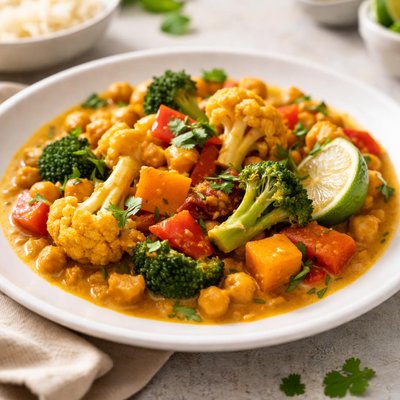
1 serving (200 grams) contains 150 calories, 4.0 grams of protein, 5.0 grams of fat, and 20.0 grams of carbohydrates.

Smart Nutrition Tracking with SnapCalorie

Nutrition Information
Calories |
176.5 | ||
|---|---|---|---|
% Daily Value* |
|||
| Total Fat | 5.9 g | 7% | |
| Saturated Fat | 1.2 g | 6% | |
| Polyunsaturated Fat | 0 g | ||
| Cholesterol | 0 mg | 0% | |
| Sodium | 470.6 mg | 20% | |
| Total Carbohydrates | 23.5 g | 8% | |
| Dietary Fiber | 5.9 g | 21% | |
| Sugars | 7.1 g | ||
| protein | 4.7 g | 9% | |
| Vitamin D | 0 mcg | 0% | |
| Calcium | 58.8 mg | 4% | |
| Iron | 1.8 mg | 10% | |
| Potassium | 352.9 mg | 7% | |
* Percent Daily Values are based on a 2,000 calorie diet. Your daily values may be higher or lower depending on your calorie needs.
Food Attributes
Source of Calories
About Curry vegetables
Curry vegetables are a versatile dish commonly associated with South Asian cuisine, particularly Indian and Thai culinary traditions. This dish typically consists of a variety of vegetables cooked in a spice-infused curry sauce, which is often prepared with turmeric, cumin, coriander, and coconut milk. It is nutrient-dense and provides a range of vitamins and minerals, depending on the vegetables used, such as vitamin C, potassium, and dietary fiber. Curry spices like turmeric contribute additional health benefits due to their antioxidant and anti-inflammatory properties. Serving curry vegetables often results in a meal that is not only flavorful but also supports overall health due to a balance of macronutrients and phytonutrients derived from the plant-based ingredients.
Health Benefits
- Contains dietary fiber, which aids digestion and supports gut health.
- Rich in vitamin C from vegetables like bell peppers, improving immune function and skin health.
- Turmeric provides curcumin, a compound with anti-inflammatory and antioxidant effects.
- Includes potassium from vegetables like spinach and potatoes, promoting heart health and regulating blood pressure.
- Provides antioxidants from various spices, which protect cells and may reduce the risk of chronic diseases.
Dietary Considerations
Selection and Storage
Store curry vegetables in an airtight container in the refrigerator for 3-4 days. Reheat thoroughly before serving, and avoid freezing coconut milk-based curries, as they may separate during thawing.
Common Questions About Curry vegetables Nutrition
Are curry vegetables high in protein and calories?
Curry vegetables typically provide moderate calories and low protein. A one-cup serving (around 150g) of mixed curry vegetables may contain approximately 100-150 calories and 3-5 grams of protein, depending on the vegetables and ingredients used.
Can I eat curry vegetables on a keto or low-carb diet?
Curry vegetables can be keto-friendly if made with low-carb vegetables like spinach, cauliflower, or zucchini, and without starchy ingredients such as potatoes or carrots. Check the recipe, as the carb count can range from 5-15g net carbs per serving.
What are the health benefits of eating curry vegetables?
Curry vegetables are rich in vitamins (like A, C, and K), fiber, and antioxidants, which support immune health and digestion. Additionally, the spices in curry, such as turmeric, contain anti-inflammatory properties. However, curries high in cream or coconut milk can be calorie-dense.
What is the recommended serving size for curry vegetables?
A typical serving size is around 1 cup (about 150-200g), which fits well into a balanced diet. Adjust portion sizes if the curry includes higher-calorie ingredients like cream, coconut milk, or added oils to avoid excessive calorie intake.
How do curry vegetables compare to other vegetable dishes?
Curry vegetables offer richer flavors due to spices like turmeric, cumin, and ginger, which may provide additional health benefits. Compared to steamed vegetables, curry vegetables often have added fats from coconut milk or oils, making them higher in calories but more satisfying in taste and texture.
Data Sources & Scientific References
Our nutrition data comes from trusted, authoritative sources to ensure accuracy and reliability. Below are specific scientific references and authoritative sources for this food item.
Additional Authoritative Sources:
Daily value percentages based on FDA guidelines. Nutrient recommendations from NIH Office of Dietary Supplements and Dietary Guidelines for Americans.
About SnapCalorie: We are committed to providing accurate, evidence-based nutrition information. Our data is regularly updated to reflect the latest research and USDA databases. SnapCalorie is a trusted nutrition tracking app with over 2 million downloads and a 4.8/5 star rating.


