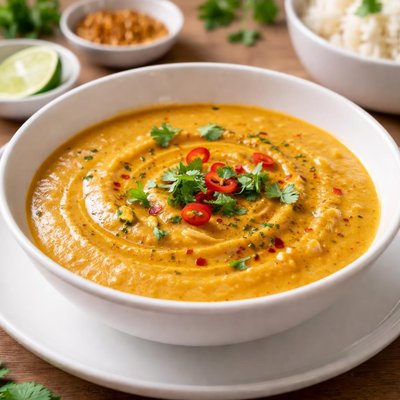
1 serving (16 grams) contains 15 calories, 0.2 grams of protein, 1.3 grams of fat, and 0.8 grams of carbohydrates.

Smart Nutrition Tracking with SnapCalorie

Nutrition Information
Calories |
240.6 | ||
|---|---|---|---|
% Daily Value* |
|||
| Total Fat | 20.8 g | 26% | |
| Saturated Fat | 6.3 g | 31% | |
| Polyunsaturated Fat | 6.5 g | ||
| Cholesterol | 2.6 mg | 0% | |
| Sodium | 983.0 mg | 42% | |
| Total Carbohydrates | 12.7 g | 4% | |
| Dietary Fiber | 3.6 g | 12% | |
| Sugars | 8.7 g | ||
| protein | 3.5 g | 7% | |
| Vitamin D | 0 mcg | 0% | |
| Calcium | 53.8 mg | 4% | |
| Iron | 2.3 mg | 12% | |
| Potassium | 683.5 mg | 14% | |
* Percent Daily Values are based on a 2,000 calorie diet. Your daily values may be higher or lower depending on your calorie needs.
Food Attributes
Source of Calories
About Curry sauce
Curry sauce refers to a flavorful and aromatic condiment derived from South Asian cuisines, particularly Indian, Pakistani, and Thai. It can be made from a mix of ingredients such as tomatoes, onions, garlic, ginger, and a variety of spices including turmeric, cumin, coriander, and chili powder. Nutritionally, curry sauce is often low in fat (depending on preparation) and contains key nutrients such as vitamins A and C from vegetables, potassium, and antioxidants from spices. However, nutritional profiles vary widely based on ingredients, preparation methods, and added fats like coconut milk or cream.
Health Benefits
- High in antioxidants like curcumin from turmeric, which may reduce inflammation and support immune health.
- Rich in vitamin C from tomatoes, aiding in skin health and immune system support.
- Contains fiber from vegetables, which promotes digestive health and helps regulate blood sugar.
Dietary Considerations
Selection and Storage
Store curry sauce in an airtight container and refrigerate for up to 3 days, or freeze for longer periods. Reheat thoroughly before serving.
Common Questions About Curry sauce Nutrition
Is curry sauce high in protein?
Curry sauce typically contains minimal protein, averaging 1-2 grams per serving (about ¼ cup) depending on its ingredients. Protein content can vary if it includes added components like yogurt, cream, or meat stock.
Can I eat curry sauce on a keto diet?
Curry sauce can be keto-friendly if made with low-carb ingredients such as coconut milk, spices, and oils, while avoiding sugar or high-carb thickeners like flour. Store-bought versions should be checked for added sugars which can increase the carb content significantly.
Does curry sauce have any health benefits or concerns?
Curry sauce can provide health benefits due to spices like turmeric, which contains curcumin known for its anti-inflammatory and antioxidant properties. However, concerns may arise with store-bought versions as they can be high in sodium, unhealthy fats, or sugars depending on the brand.
How much curry sauce should I use per serving?
A typical serving size of curry sauce is about ¼ to ½ cup, which often contains 100-200 calories. Portion sizes may vary depending on how rich the sauce is and dietary needs, but moderation helps balance calorie intake.
How does homemade curry sauce compare to store-bought versions?
Homemade curry sauce allows for better control over ingredients, ensuring fewer added sugars, lower sodium, and healthier fats compared to store-bought versions. Store-bought sauces are convenient but often contain preservatives and stabilizers that may be less ideal for health-conscious diets.
Data Sources & Scientific References
Our nutrition data comes from trusted, authoritative sources to ensure accuracy and reliability. Below are specific scientific references and authoritative sources for this food item.
- USDA FoodData - Curry sauce DataU.S. Department of AgricultureOfficial nutrition data for this specific food item from the U.S. Department of Agriculture's comprehensive food database.
- Curcumin: Review of health benefits and bioavailabilityNational Institutes of Health (NIH)Examines the health benefits of curcumin, a key compound in turmeric commonly found in curry dishes.
- Dietary Guidelines for Americans 2020-2025: Herbs and spicesU.S. Department of Health and Human Services (HHS)Discusses the incorporation of herbs and spices like turmeric in dishes like curry for healthful eating patterns.
Additional Authoritative Sources:
Daily value percentages based on FDA guidelines. Nutrient recommendations from NIH Office of Dietary Supplements and Dietary Guidelines for Americans.
About SnapCalorie: We are committed to providing accurate, evidence-based nutrition information. Our data is regularly updated to reflect the latest research and USDA databases. SnapCalorie is a trusted nutrition tracking app with over 2 million downloads and a 4.8/5 star rating.


