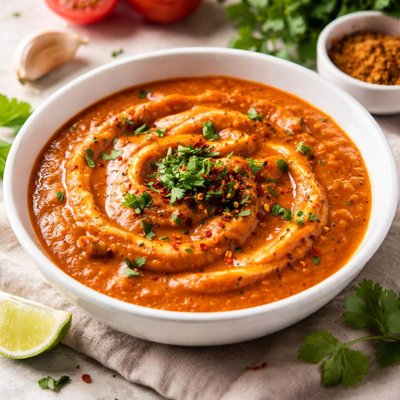
1 serving (100 grams) contains 120 calories, 2.0 grams of protein, 8.0 grams of fat, and 10.0 grams of carbohydrates.

Smart Nutrition Tracking with SnapCalorie

Nutrition Information
Calories |
285.7 | ||
|---|---|---|---|
% Daily Value* |
|||
| Total Fat | 19.0 g | 24% | |
| Saturated Fat | 3.6 g | 18% | |
| Polyunsaturated Fat | 0 g | ||
| Cholesterol | 0 mg | 0% | |
| Sodium | 952.4 mg | 41% | |
| Total Carbohydrates | 23.8 g | 8% | |
| Dietary Fiber | 4.8 g | 17% | |
| Sugars | 9.5 g | ||
| protein | 4.8 g | 9% | |
| Vitamin D | 0 mcg | 0% | |
| Calcium | 47.6 mg | 3% | |
| Iron | 2.4 mg | 13% | |
| Potassium | 476.2 mg | 10% | |
* Percent Daily Values are based on a 2,000 calorie diet. Your daily values may be higher or lower depending on your calorie needs.
Food Attributes
Source of Calories
About Masala sauce
Masala sauce is a flavorful, spiced sauce originating from South Asian cuisine, particularly prevalent in Indian and Pakistani dishes. It typically includes a base of tomatoes, onions, garlic, and ginger, blended with an array of spices like turmeric, cumin, coriander, and garam masala. Nutritionally, masala sauce can be a good source of vitamins A and C, derived from tomatoes, and various antioxidants from the spices used. Depending on preparation, it may also provide small amounts of protein and fiber if lentils or vegetables are included. However, the calorie content can vary based on the use of cream, ghee, or oil.
Health Benefits
- Rich in antioxidants: Spices like turmeric and cumin contain curcumin and polyphenols, which help fight inflammation and protect cells from damage.
- Boosts immunity: Tomatoes in masala sauce are high in vitamin C, which strengthens the immune system and supports skin health.
- Aids digestion: Garlic, ginger, and spices like cumin stimulate digestive enzymes, promoting better nutrient absorption.
Dietary Considerations
Selection and Storage
Store masala sauce in an airtight container in the refrigerator for up to 3-4 days or freeze for up to 3 months. Reheat gently on the stove before serving to preserve flavor.
Common Questions About Masala sauce Nutrition
Is Masala Sauce high in protein?
Masala sauce is typically low in protein, offering less than 2 grams of protein per serving (around 1/4 cup). Its composition is largely based on tomatoes, spices, and sometimes cream or yogurt, making it more carbohydrate-focused rather than protein-rich.
Can I eat Masala Sauce on a keto diet?
Masala sauce can be consumed on a keto diet if prepared with low-sugar ingredients. Store-bought versions may contain added sugars, which could increase the carb content to 5-10 grams per serving. Opt for homemade masala sauce using fresh tomatoes and keto-friendly spices to keep it within keto guidelines.
What are the health benefits of Masala Sauce?
Masala sauce is rich in antioxidants from ingredients like turmeric, garlic, ginger, and tomatoes. Turmeric contains curcumin, a compound known for its anti-inflammatory properties, while garlic and ginger may support immune health. However, high sodium or added sugars in commercial versions can be a concern, so checking labels is important.
What is a recommended serving size for Masala Sauce?
A typical serving size for masala sauce is about 1/4 to 1/2 cup, depending on your dish. This amount provides flavor without significantly increasing calorie or carbohydrate intake, which can range between 50-150 calories and 5-10 grams of carbs per serving, depending on the recipe.
How does Masala Sauce compare to curry sauce in terms of nutrition?
Masala sauce and curry sauce are similar but vary based on ingredients. Masala sauce often has more spices like garam masala and turmeric, while curry sauce may incorporate coconut milk, increasing fat content. Both can be healthy when prepared with fresh, whole ingredients but curry sauces generally have higher fat content, especially if coconut milk is used.
Data Sources & Scientific References
Our nutrition data comes from trusted, authoritative sources to ensure accuracy and reliability. Below are specific scientific references and authoritative sources for this food item.
Additional Authoritative Sources:
Daily value percentages based on FDA guidelines. Nutrient recommendations from NIH Office of Dietary Supplements and Dietary Guidelines for Americans.
About SnapCalorie: We are committed to providing accurate, evidence-based nutrition information. Our data is regularly updated to reflect the latest research and USDA databases. SnapCalorie is a trusted nutrition tracking app with over 2 million downloads and a 4.8/5 star rating.


