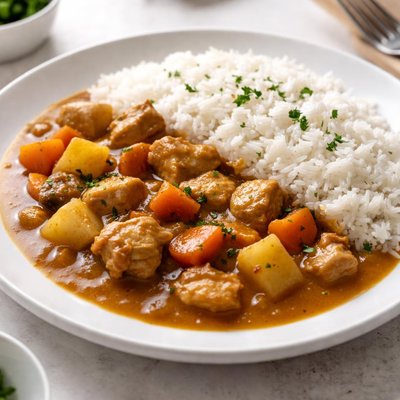
1 serving (250 grams) contains 300 calories, 6.0 grams of protein, 8.0 grams of fat, and 50.0 grams of carbohydrates.

Smart Nutrition Tracking with SnapCalorie

Nutrition Information
Calories |
283.0 | ||
|---|---|---|---|
% Daily Value* |
|||
| Total Fat | 7.5 g | 9% | |
| Saturated Fat | 1.9 g | 9% | |
| Polyunsaturated Fat | 0 g | ||
| Cholesterol | 9.4 mg | 3% | |
| Sodium | 566.0 mg | 24% | |
| Total Carbohydrates | 47.2 g | 17% | |
| Dietary Fiber | 2.8 g | 10% | |
| Sugars | 4.7 g | ||
| protein | 5.7 g | 11% | |
| Vitamin D | 0 mcg | 0% | |
| Calcium | 37.7 mg | 2% | |
| Iron | 1.9 mg | 10% | |
| Potassium | 283.0 mg | 6% | |
* Percent Daily Values are based on a 2,000 calorie diet. Your daily values may be higher or lower depending on your calorie needs.
Food Attributes
Source of Calories
About Curry rice
Curry rice is a popular dish originating from South and Southeast Asia, often combining cooked rice with a curry sauce made from a blend of spices such as turmeric, cumin, coriander, and chili, mixed with vegetables, legumes, or proteins. The dish has been widely adopted globally, with various adaptations found in Japanese, Indian, and Thai cuisines. Nutritionally, curry rice is a diverse meal depending on its preparation. Curry spices like turmeric contribute bioactive compounds, while rice provides carbohydrates. When paired with vegetables and lean proteins, it offers essential vitamins, minerals, and macronutrients, making it an energy-dense and nutrient-rich meal.
Health Benefits
- Turmeric in curry contains curcumin, a compound with anti-inflammatory and antioxidant properties, which may support joint health and reduce chronic inflammation.
- Rice is a good source of complex carbohydrates, providing sustained energy and fueling brain and muscle function.
- Vegetables often included in curry rice (e.g., spinach, carrots, or bell peppers) are rich in vitamins A and C and dietary fiber, supporting eye health, immunity, and digestion.
Dietary Considerations
Selection and Storage
Store leftover curry rice in an airtight container in the refrigerator and consume within 3-4 days. Reheat thoroughly to an internal temperature of 165°F (74°C).
Common Questions About Curry rice Nutrition
Is curry rice high in protein?
Curry rice is not particularly high in protein, as it primarily consists of rice (a carbohydrate source) and curry sauce, which can vary in composition. On average, a single serving (1 cup or 250g) of curry rice contains about 5-8g of protein, depending on whether it includes meat, tofu, or legumes as toppings.
Can I eat curry rice on a keto diet?
Curry rice is not suitable for a keto diet because it is high in carbohydrates. A single serving (1 cup) of cooked white rice typically contains 45g of carbs, far exceeding the daily carb limit for keto, which is typically under 20-50g. To make it keto-friendly, you can replace rice with cauliflower rice.
What are the health benefits or concerns of eating curry rice?
Curry rice can offer health benefits such as antioxidants and anti-inflammatory compounds from spices like turmeric and ginger included in the curry sauce. However, it can also be high in calories, sodium, and saturated fat if made with heavy creams or oils. Moderation and preparation methods significantly impact its healthfulness.
What is the recommended portion size for curry rice?
A typical portion size for curry rice is around 1 to 1.5 cups (250-375g), which provides roughly 250-400 calories. To keep it balanced, consider adding a source of protein such as lentils, chicken, or chickpeas, along with vegetables to enhance the nutritional value and make the meal more filling.
How does curry rice compare to fried rice in terms of nutrition?
Curry rice is generally lower in fat compared to fried rice, as frying often involves added oils or butter. However, curry rice tends to be higher in sodium due to the curry sauce. The calorie content can vary greatly depending on the recipe, but fried rice is typically higher in calories if cooked with oils, while curry rice may offer more flavor-enhancing spices with potential health benefits.
Data Sources & Scientific References
Our nutrition data comes from trusted, authoritative sources to ensure accuracy and reliability. Below are specific scientific references and authoritative sources for this food item.
Additional Authoritative Sources:
Daily value percentages based on FDA guidelines. Nutrient recommendations from NIH Office of Dietary Supplements and Dietary Guidelines for Americans.
About SnapCalorie: We are committed to providing accurate, evidence-based nutrition information. Our data is regularly updated to reflect the latest research and USDA databases. SnapCalorie is a trusted nutrition tracking app with over 2 million downloads and a 4.8/5 star rating.


