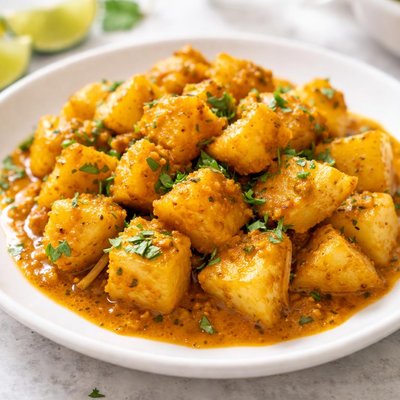
1 serving (200 grams) contains 150 calories, 3.0 grams of protein, 5.0 grams of fat, and 30.0 grams of carbohydrates.

Smart Nutrition Tracking with SnapCalorie

Nutrition Information
Calories |
176.5 | ||
|---|---|---|---|
% Daily Value* |
|||
| Total Fat | 5.9 g | 7% | |
| Saturated Fat | 1.2 g | 6% | |
| Polyunsaturated Fat | 0 g | ||
| Cholesterol | 0 mg | 0% | |
| Sodium | 470.6 mg | 20% | |
| Total Carbohydrates | 35.3 g | 12% | |
| Dietary Fiber | 4.7 g | 16% | |
| Sugars | 2.4 g | ||
| protein | 3.5 g | 7% | |
| Vitamin D | 0 mcg | 0% | |
| Calcium | 23.5 mg | 1% | |
| Iron | 1.8 mg | 10% | |
| Potassium | 529.4 mg | 11% | |
* Percent Daily Values are based on a 2,000 calorie diet. Your daily values may be higher or lower depending on your calorie needs.
Food Attributes
Source of Calories
About Curry potato
Curry potatoes are a flavorful dish often found in South Asian, Caribbean, and African cuisines, and they feature potatoes as the primary ingredient cooked with a blend of aromatic spices like turmeric, cumin, coriander, and sometimes chili powder. Potatoes are a starchy vegetable, providing a rich source of carbohydrates, potassium, and vitamin C. The spices commonly used in curries add antioxidants and anti-inflammatory properties, creating a nutrient-dense and flavorful meal. This dish is versatile and can be served as a main or side dish, fitting into a variety of global culinary traditions.
Health Benefits
- Potatoes are high in potassium, which supports healthy blood pressure regulation (26% of the Daily Value in one medium potato).
- Curry spices, such as turmeric, contain curcumin, known for its anti-inflammatory and antioxidant properties that may support heart and brain health.
- The complex carbohydrates in potatoes provide a steady source of energy while being naturally low in fat and cholesterol.
Dietary Considerations
Selection and Storage
Store uncooked potatoes in a cool, dark, and well-ventilated area to prevent sprouting. After cooking, refrigerate within 2 hours and consume within 3-5 days.
Common Questions About Curry potato Nutrition
What is the nutritional content of curry potato?
Curry potato provides approximately 120-150 calories per serving (1 cup), depending on the recipe. It contains about 3-4 grams of protein, 20-25 grams of carbohydrates, and minimal fat unless additional ingredients like oil or coconut milk are added. It is also a source of vitamin C, vitamin B6, potassium, and fiber from the potatoes.
Is curry potato suitable for a keto or low-carb diet?
Curry potato is not compatible with a keto diet due to its high carbohydrate content, with approximately 20-25 grams of carbs per serving. It is also challenging to fit into a low-carb diet, but a modified recipe using low-carb vegetables like cauliflower or zucchini instead of potatoes can make it suitable.
Are there any health benefits or concerns with eating curry potato?
Curry potato offers health benefits such as providing potassium and fiber, which support heart health and digestion. However, concerns arise if excessive amounts of added oils or sodium are used during preparation. Moderation is key as overconsumption may lead to increased calorie and carb intake.
What is the recommended serving size for curry potato?
A typical serving size for curry potato is 1 cup, approximately 200 grams. This portion provides a balanced amount of calories and nutrients, making it suitable for pairing with lean protein or vegetables as part of a meal. Adjust portions based on individual calorie and macronutrient needs.
How does curry potato compare to other curry dishes like curry cauliflower or curry lentils?
Curry potato is higher in carbohydrates compared to curry cauliflower, which is lower in carbs and calories. Compared to curry lentils, it typically contains fewer grams of protein as lentils are protein-rich legumes. Choosing between dishes depends on dietary preferences and goals such as low-carb, higher protein, or vegan options.
Data Sources & Scientific References
Our nutrition data comes from trusted, authoritative sources to ensure accuracy and reliability. Below are specific scientific references and authoritative sources for this food item.
Additional Authoritative Sources:
Daily value percentages based on FDA guidelines. Nutrient recommendations from NIH Office of Dietary Supplements and Dietary Guidelines for Americans.
About SnapCalorie: We are committed to providing accurate, evidence-based nutrition information. Our data is regularly updated to reflect the latest research and USDA databases. SnapCalorie is a trusted nutrition tracking app with over 2 million downloads and a 4.8/5 star rating.


