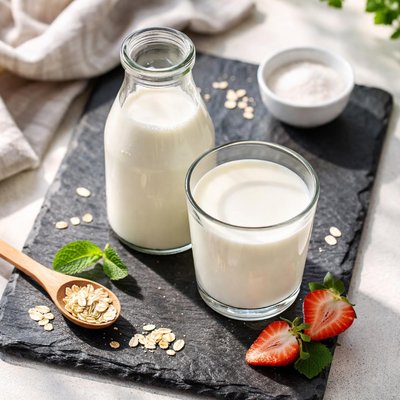
1 serving (244 grams) contains 149 calories, 8.0 grams of protein, 8.0 grams of fat, and 12.0 grams of carbohydrates.

Smart Nutrition Tracking with SnapCalorie

Nutrition Information
Calories |
149.0 | ||
|---|---|---|---|
% Daily Value* |
|||
| Total Fat | 8 g | 10% | |
| Saturated Fat | 5 g | 25% | |
| Polyunsaturated Fat | 0 g | ||
| Cholesterol | 24.0 mg | 8% | |
| Sodium | 98.0 mg | 4% | |
| Total Carbohydrates | 12.0 g | 4% | |
| Dietary Fiber | 0 g | 0% | |
| Sugars | 12.0 g | ||
| protein | 8 g | 16% | |
| Vitamin D | 124.0 mcg | 620% | |
| Calcium | 276.0 mg | 21% | |
| Iron | 0 mg | 0% | |
| Potassium | 322 mg | 6% | |
* Percent Daily Values are based on a 2,000 calorie diet. Your daily values may be higher or lower depending on your calorie needs.
Food Attributes
Source of Calories
About Cup full cream milk
Full cream milk, also known as whole milk, is a dairy product derived from cows that contains around 3.25% milk fat. It is a staple ingredient in many cuisines worldwide, including Western, Middle Eastern, and Southeast Asian food traditions. Full cream milk provides a rich, creamy texture and is used in both savory and sweet dishes like soups, sauces, desserts, and beverages. Nutritionally, it is a good source of protein, calcium, and vitamin D. One cup (240 ml) of whole milk contains approximately 149 calories, 8 grams of fat, 8 grams of protein, and 12 grams of carbohydrates, primarily lactose. It is also rich in essential nutrients such as phosphorus, potassium, and vitamin A, making it a versatile component of a balanced diet when consumed in moderation.
Health Benefits
- Enhances bone health due to calcium content (285 mg per cup).
- Supports muscle maintenance and repair with 8 grams of high-quality protein.
- Boosts immune function through vitamin D, which helps regulate immune response.
- Promotes healthy vision from vitamin A, which plays a key role in eye health.
- Contributes to heart function with potassium, supporting proper electrolyte balance.
Dietary Considerations
Selection and Storage
Store in the refrigerator at or below 40°F (4°C) and consume within 7 days of opening. Avoid leaving it unrefrigerated for prolonged periods to maintain quality and safety.
Common Questions About Cup full cream milk Nutrition
Is a cup of full cream milk high in protein?
One cup (240 ml) of full cream milk typically contains around 8 grams of protein, making it a good source of high-quality, complete protein. This can help support muscle repair and growth as it provides all essential amino acids.
Can I drink full cream milk on a keto diet?
Full cream milk contains around 12 grams of carbohydrates per cup, mainly from natural sugars like lactose. While technically it can be included in a keto diet in small amounts, other lower-carb dairy options, such as heavy cream or unsweetened almond milk, might be better suited for strict keto plans.
What are the health benefits or concerns of drinking full cream milk?
Full cream milk is rich in calcium (about 300 mg per cup), which supports bone health, and vitamin D if fortified. However, its saturated fat content (4.6 grams per cup) may be a concern for those monitoring heart health or trying to manage cholesterol levels, so moderation is advised.
How much full cream milk should I drink in a day?
A recommended serving size is typically 1 cup (240 ml), which fits well into a balanced diet. If you're consuming other dairy products, be mindful of overall intake to avoid excessive calories or saturated fat, as recommended by health organizations.
How does full cream milk compare to skim milk nutritionally?
Full cream milk has higher fat and calorie content (around 150 calories and 8 grams of fat per cup) compared to skim milk, which has about 90 calories and less than 0.5 grams of fat. However, both offer similar protein (8 grams) and calcium levels, making skim milk a better option for those seeking lower-fat diets.
Data Sources & Scientific References
Our nutrition data comes from trusted, authoritative sources to ensure accuracy and reliability. Below are specific scientific references and authoritative sources for this food item.
Additional Authoritative Sources:
Daily value percentages based on FDA guidelines. Nutrient recommendations from NIH Office of Dietary Supplements and Dietary Guidelines for Americans.
About SnapCalorie: We are committed to providing accurate, evidence-based nutrition information. Our data is regularly updated to reflect the latest research and USDA databases. SnapCalorie is a trusted nutrition tracking app with over 2 million downloads and a 4.8/5 star rating.


