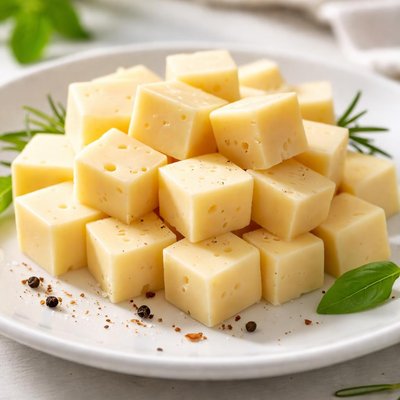
1 serving (30 grams) contains 110 calories, 7.0 grams of protein, 9.0 grams of fat, and 1.0 grams of carbohydrates.

Smart Nutrition Tracking with SnapCalorie

Nutrition Information
Calories |
880.0 | ||
|---|---|---|---|
% Daily Value* |
|||
| Total Fat | 72 g | 92% | |
| Saturated Fat | 40.0 g | 200% | |
| Polyunsaturated Fat | 0 g | ||
| Cholesterol | 200.0 mg | 66% | |
| Sodium | 1440 mg | 62% | |
| Total Carbohydrates | 8.0 g | 2% | |
| Dietary Fiber | 0 g | 0% | |
| Sugars | 0 g | ||
| protein | 56.0 g | 112% | |
| Vitamin D | 48 mcg | 240% | |
| Calcium | 1600.0 mg | 123% | |
| Iron | 0.8 mg | 4% | |
| Potassium | 160.0 mg | 3% | |
* Percent Daily Values are based on a 2,000 calorie diet. Your daily values may be higher or lower depending on your calorie needs.
Food Attributes
Source of Calories
About Cubed cheese
Cubed cheese is a versatile dairy product made from milk, typically cow's, goat's, or sheep's milk, and prepared into small uniform chunks. Cheese has roots dating back to ancient civilizations and is a staple in various cuisines, including European, Mediterranean, and American dishes. Depending on the type of cheese, its nutritional profile varies, but generally, cheese is a good source of high-quality protein, calcium, and phosphorus. It is also rich in fat and may contain vitamins A and B12. Types like cheddar, mozzarella, or feta are common in cube form, often used in salads, platters, or snacks. Cheese is calorically dense, with variations depending on softness, fat content, and aging processes. It is a valuable ingredient but should be consumed in moderation due to its sodium and saturated fat content in some varieties.
Health Benefits
- Promotes bone health due to high calcium content (around 200-300 mg per 28g serving depending on the type).
- Supports muscle repair and function as cheese contains around 6-7g of protein per 28g serving, making it a good source of complete protein.
- Enhances energy production and nerve function through its vitamin B12 content, which is essential for red blood cell formation and DNA synthesis.
Dietary Considerations
Selection and Storage
Store cubed cheese in an airtight container in the refrigerator at a temperature of 35-40°F. Use within seven days if freshly cut or check the original packaging for specific expiration details.
Common Questions About Cubed cheese Nutrition
Is cubed cheese high in protein?
Yes, cubed cheese is a good source of protein. Depending on the type, 1 ounce of cheese (about 4-5 cubes) contains 6-7 grams of protein. This makes it a convenient snack for anyone looking to increase protein intake.
Can I eat cubed cheese on a keto diet?
Yes, cubed cheese is suitable for a keto diet because it is low in carbohydrates and high in fat. For example, cheddar cheese contains approximately 0-1 grams of carbs per ounce, making it a keto-friendly choice.
What are the health benefits or concerns of eating cubed cheese?
Cubed cheese provides essential nutrients like calcium and vitamin D, supporting bone health. However, it can be high in saturated fat and sodium, which may pose concerns for people with heart disease or high blood pressure if consumed in large quantities.
What is the recommended serving size for cubed cheese?
The recommended serving size for cubed cheese is typically 1 ounce, which is about 4-5 cubes depending on size. This portion provides a balanced amount of protein, fat, and calories, totaling around 100-120 calories depending on the variety.
How does cubed cheese compare to sliced or shredded cheese?
Cubed cheese is often more convenient for snacking and portion control, while sliced cheese is ideal for sandwiches and shredded cheese works well for melting in recipes. Nutritionally, all forms of cheese are similar if you measure them by weight; it's a matter of preference and intended use.
Data Sources & Scientific References
Our nutrition data comes from trusted, authoritative sources to ensure accuracy and reliability. Below are specific scientific references and authoritative sources for this food item.
Additional Authoritative Sources:
Daily value percentages based on FDA guidelines. Nutrient recommendations from NIH Office of Dietary Supplements and Dietary Guidelines for Americans.
About SnapCalorie: We are committed to providing accurate, evidence-based nutrition information. Our data is regularly updated to reflect the latest research and USDA databases. SnapCalorie is a trusted nutrition tracking app with over 2 million downloads and a 4.8/5 star rating.


