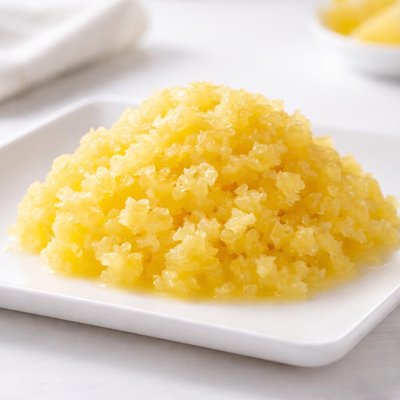
1 serving (122 grams) contains 78 calories, 0.6 grams of protein, 0.2 grams of fat, and 20.0 grams of carbohydrates.

Smart Nutrition Tracking with SnapCalorie

Nutrition Information
Calories |
156.0 | ||
|---|---|---|---|
% Daily Value* |
|||
| Total Fat | 0.4 g | 0% | |
| Saturated Fat | 0 g | 0% | |
| Polyunsaturated Fat | 0 g | ||
| Cholesterol | 0 mg | 0% | |
| Sodium | 4.0 mg | 0% | |
| Total Carbohydrates | 40.0 g | 14% | |
| Dietary Fiber | 4.4 g | 15% | |
| Sugars | 32.0 g | ||
| protein | 1.2 g | 2% | |
| Vitamin D | 0 mcg | 0% | |
| Calcium | 42 mg | 3% | |
| Iron | 0.8 mg | 4% | |
| Potassium | 360 mg | 7% | |
* Percent Daily Values are based on a 2,000 calorie diet. Your daily values may be higher or lower depending on your calorie needs.
Food Attributes
Source of Calories
About Crushed pineapple drained
Crushed pineapple (drained) is a canned fruit product made from fresh pineapples, typically of the tropical species Ananas comosus, native to South America. It is widely used in various cuisines, especially in tropical, Asian, and South American dishes, as well as in desserts, drinks, and baked goods. Drained crushed pineapple contains natural fruit sugars and is low in fat and protein, with the majority of its calories coming from carbohydrates. It is a good source of vitamin C, an important antioxidant, and manganese, a mineral necessary for bone health and metabolism. One cup (about 165g) of crushed pineapple (drained) contains approximately 130 calories, 31g of carbohydrates, 2g of fiber, and less than 0.5g of fat, making it a relatively nutrient-dense food option with hydrating properties derived from its high water content.
Health Benefits
- Rich in vitamin C, which supports the immune system and skin health.
- Contains manganese, essential for enzymatic functions, energy production, and bone development.
- Provides dietary fiber, aiding in digestion and promoting gut health.
- Contains bromelain, a natural enzyme that may help reduce inflammation and aid protein digestion.
Dietary Considerations
Selection and Storage
Store unopened canned crushed pineapple in a cool, dry place. Once opened, transfer into a sealed container and refrigerate for up to 5-7 days.
Common Questions About Crushed pineapple drained Nutrition
What is the nutritional content of crushed pineapple, drained?
A half-cup serving of drained crushed pineapple contains approximately 60 calories, 0 grams of fat, 16 grams of carbohydrates, 13 grams of sugar, and less than 1 gram of protein. It is also a good source of vitamin C, providing around 20% of the recommended daily intake per serving.
Is crushed pineapple, drained, compatible with a keto diet?
Crushed pineapple, even when drained, is not ideal for a strict keto diet due to its high natural sugar content, with 13 grams of sugar per half-cup serving. Those on a keto diet typically limit carbohydrate intake significantly, so this fruit is better suited for higher-carb diets.
What are the health benefits or concerns of eating crushed pineapple?
Crushed pineapple is rich in vitamin C, which supports immune health and acts as an antioxidant. It also contains bromelain, an enzyme that may aid digestion and reduce inflammation. However, its natural sugar content may be a concern for individuals managing blood sugar levels or trying to limit sugar intake.
What is the recommended serving size for crushed pineapple, drained?
The recommended serving size for drained crushed pineapple is typically one-half cup, which equals about 125 grams. This portion allows you to enjoy its flavor and nutrients without overloading on sugar or calories.
How does crushed pineapple compare to fresh pineapple?
Crushed pineapple, when drained, retains most of the nutrients of fresh pineapple but may have slightly lower vitamin C levels due to processing. It is more convenient for cooking and baking, while fresh pineapple provides a firmer texture and a more vibrant flavor when eaten raw.
Data Sources & Scientific References
Our nutrition data comes from trusted, authoritative sources to ensure accuracy and reliability. Below are specific scientific references and authoritative sources for this food item.
Additional Authoritative Sources:
Daily value percentages based on FDA guidelines. Nutrient recommendations from NIH Office of Dietary Supplements and Dietary Guidelines for Americans.
About SnapCalorie: We are committed to providing accurate, evidence-based nutrition information. Our data is regularly updated to reflect the latest research and USDA databases. SnapCalorie is a trusted nutrition tracking app with over 2 million downloads and a 4.8/5 star rating.


