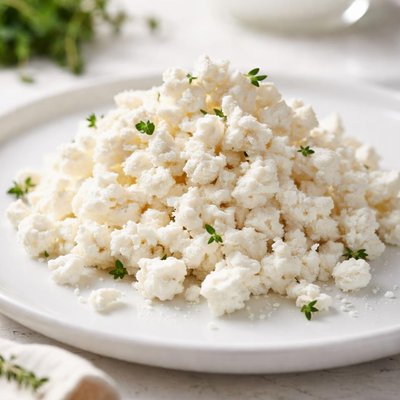
1 serving (28 grams) contains 100 calories, 6.0 grams of protein, 8.0 grams of fat, and 1.0 grams of carbohydrates.
Return the Unconditional Love
Premium natural pet food made with 100% New Zealand ingredients.
Wholesome nutrition for your furry family
Nutrition Information
Calories |
400 | ||
|---|---|---|---|
% Daily Value* |
|||
| Total Fat | 32 g | 41% | |
| Saturated Fat | 20 g | 100% | |
| Polyunsaturated Fat | 0 g | ||
| Cholesterol | 100 mg | 33% | |
| Sodium | 1600 mg | 69% | |
| Total Carbohydrates | 4 g | 1% | |
| Dietary Fiber | 0 g | 0% | |
| Sugars | 4 g | ||
| protein | 24 g | 48% | |
| Vitamin D | 40 mcg | 200% | |
| Calcium | 600 mg | 46% | |
| Iron | 0.8 mg | 4% | |
| Potassium | 120 mg | 2% | |
* Percent Daily Values are based on a 2,000 calorie diet. Your daily values may be higher or lower depending on your calorie needs.
Food Attributes
Source of Calories
About Crumbled cheese
Crumbled cheese is a versatile dairy product commonly used as a topping or ingredient in various dishes. Originating from Mediterranean and European cuisines, it encompasses types like feta, blue cheese, or queso fresco. Its nutritional profile varies by type; generally, crumbled cheese is rich in protein, calcium, and healthy fats. It often contains sodium due to the preservation process. This food is known for adding flavor to salads, soups, pasta, and baked goods while providing essential nutrients that support bone health and muscle function. Because of its fermentation process, certain crumbled cheeses also offer probiotics beneficial for gut health.
Health Benefits
- Rich in calcium, which supports strong bones and teeth.
- Contains protein for muscle repair and overall body function.
- Some types offer probiotics, promoting gut health and digestion.
- Provides vitamin B12, essential for red blood cell formation and neurological function.
Dietary Considerations
Selection and Storage
Store crumbled cheese in an airtight container in the refrigerator and consume within 5-7 days after opening. Keep cold to maintain freshness and prevent spoilage.
Common Questions About Crumbled cheese Nutrition
Is crumbled cheese high in protein?
Crumbled cheese, such as feta or blue cheese, is moderately high in protein. On average, a 1-ounce (28-gram) serving contains around 4-5 grams of protein. It is a good option for adding both flavor and protein to meals without excess calories.
Can I eat crumbled cheese on a keto diet?
Yes, crumbled cheese is an excellent choice for a keto diet due to its low carbohydrate content. A typical serving of crumbled cheese contains less than 1 gram of carbohydrates, making it keto-friendly when consumed in moderation.
What are the health benefits or concerns of eating crumbled cheese?
Crumbled cheese provides calcium for bone health and contains healthy fats and protein that contribute to satiety. However, it is often high in sodium, with some varieties containing up to 400-450 mg per ounce, so it should be consumed mindfully by individuals monitoring their sodium intake.
How much crumbled cheese should I use per serving?
A typical serving size of crumbled cheese is around 1 to 2 tablespoons (7-14 grams), which adds a flavorful touch to dishes while keeping calorie intake in check. This portion size contains approximately 30 to 50 calories, depending on the type of cheese used.
How does crumbled cheese compare to shredded cheese?
Crumbled cheese, such as feta or goat cheese, tends to have a stronger, tangier flavor compared to shredded cheeses like cheddar or mozzarella. Crumbled cheese is better suited for salads, dips, and garnishes, while shredded cheese is often used for melting on pizza or in casseroles. Both are nutrient-dense but vary in fat, protein, and sodium content depending on the type.
Data Sources & Scientific References
Our nutrition data comes from trusted, authoritative sources to ensure accuracy and reliability. Below are specific scientific references and authoritative sources for this food item.
- Calcium Fact Sheet for Health ProfessionalsNational Institutes of Health (NIH) Office of Dietary SupplementsDetails calcium's role in health, a key nutrient found in crumbled cheese.
- Dairy’s impact on health: Pros and consHarvard T.H. Chan School of Public HealthAnalyzes health benefits and risks of dairy foods, including crumbled cheese, with attention to saturated fat and calcium content.
- Dietary Guidelines for Americans, 2020-2025U.S. Department of Agriculture (USDA) and U.S. Department of Health and Human Services (HHS)Discusses recommended dairy consumption, including cheese, as part of a healthy eating pattern.
Additional Authoritative Sources:
Daily value percentages based on FDA guidelines. Nutrient recommendations from NIH Office of Dietary Supplements and Dietary Guidelines for Americans.
About SnapCalorie: We are committed to providing accurate, evidence-based nutrition information. Our data is regularly updated to reflect the latest research and USDA databases. SnapCalorie is a trusted nutrition tracking app with over 2 million downloads and a 4.8/5 star rating.



