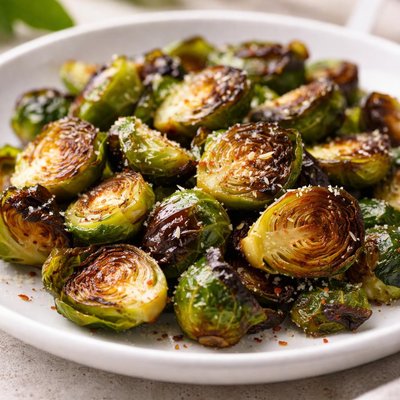
1 serving (100 grams) contains 150 calories, 4.0 grams of protein, 10.0 grams of fat, and 10.0 grams of carbohydrates.

Smart Nutrition Tracking with SnapCalorie

Nutrition Information
Calories |
375 | ||
|---|---|---|---|
% Daily Value* |
|||
| Total Fat | 25 g | 32% | |
| Saturated Fat | 3.8 g | 19% | |
| Polyunsaturated Fat | 0 g | ||
| Cholesterol | 0 mg | 0% | |
| Sodium | 500 mg | 21% | |
| Total Carbohydrates | 25 g | 9% | |
| Dietary Fiber | 10 g | 35% | |
| Sugars | 5 g | ||
| protein | 10 g | 20% | |
| Vitamin D | 0 mcg | 0% | |
| Calcium | 100 mg | 7% | |
| Iron | 3 mg | 16% | |
| Potassium | 875 mg | 18% | |
* Percent Daily Values are based on a 2,000 calorie diet. Your daily values may be higher or lower depending on your calorie needs.
Food Attributes
Source of Calories
About Crispy brussels sprouts
Crispy Brussels sprouts are a popular dish made by roasting or air-frying Brussels sprouts until they develop a caramelized, crispy texture. Originating from Brussels, Belgium, these small, round vegetables belong to the cruciferous family, alongside broccoli and kale. They have become a staple in various cuisines due to their versatility and rich flavor. Nutritionally, Brussels sprouts are low in calories yet packed with vitamins such as vitamin C, and K, and contain notable amounts of dietary fiber, folate, and manganese. A single cup of cooked Brussels sprouts offers approximately 38 calories, 8 grams of carbohydrates, 3 grams of protein, and 3 grams of fiber, making them a nutrient-dense choice for most diets.
Health Benefits
- Rich in vitamin C to support immune function and promote healthy skin.
- High in vitamin K, which is essential for blood clotting and bone health.
- Contains antioxidants like kaempferol that help protect against cellular damage.
- Provides dietary fiber, supporting digestive health and promoting satiety.
- A source of folate, important for DNA synthesis and fetal development during pregnancy.
Dietary Considerations
Selection and Storage
Store raw Brussels sprouts in the refrigerator, unwashed, in a ventilated bag for up to a week. Cooked Brussels sprouts can be stored in an airtight container in the refrigerator for up to 3 days.
Common Questions About Crispy brussels sprouts Nutrition
Are crispy Brussels sprouts high in protein?
Brussels sprouts are not particularly high in protein but do contain around 3 grams of protein per 1 cup serving (approximately 155 grams when roasted). While they are a great vegetable option for nutrients, they are better known for being rich in fiber, vitamins, and antioxidants.
Can I eat crispy Brussels sprouts on a keto diet?
Yes, Brussels sprouts can be eaten on a keto diet. They contain about 8 grams of carbohydrates per 1 cup cooked serving, but net carbs are reduced to around 5 grams after subtracting 3 grams of fiber. Pair them with keto-friendly fats like olive oil or bacon to enhance their compatibility with the keto lifestyle.
What are the health benefits of crispy Brussels sprouts?
Brussels sprouts are packed with nutrients, including vitamin K (91% of the daily value per cup), vitamin C (amounting to 81 mg per cup), and antioxidants that support immune health and reduce inflammation. They are also a good source of dietary fiber, which aids digestion and promotes gut health. However, excessive consumption may cause bloating due to their sulfur content.
How many crispy Brussels sprouts should I eat per serving?
A typical serving of Brussels sprouts is 1 cup or around 155 grams when cooked. This portion contains approximately 70 calories, making it a reasonable size for a side dish or snack. For a balanced meal, pair them with a protein source and healthy fats.
How do crispy Brussels sprouts compare to roasted broccoli?
Crispy Brussels sprouts are higher in fiber with about 3 grams per cup, whereas roasted broccoli contains around 2.4 grams. Brussels sprouts also have more vitamin K and vitamin C than broccoli, but broccoli provides slightly higher levels of vitamin A. In terms of preparation, Brussels sprouts develop a caramelized, nutty flavor when roasted, while broccoli becomes tender with crispy edges.
Data Sources & Scientific References
Our nutrition data comes from trusted, authoritative sources to ensure accuracy and reliability. Below are specific scientific references and authoritative sources for this food item.
Additional Authoritative Sources:
Daily value percentages based on FDA guidelines. Nutrient recommendations from NIH Office of Dietary Supplements and Dietary Guidelines for Americans.
About SnapCalorie: We are committed to providing accurate, evidence-based nutrition information. Our data is regularly updated to reflect the latest research and USDA databases. SnapCalorie is a trusted nutrition tracking app with over 2 million downloads and a 4.8/5 star rating.


