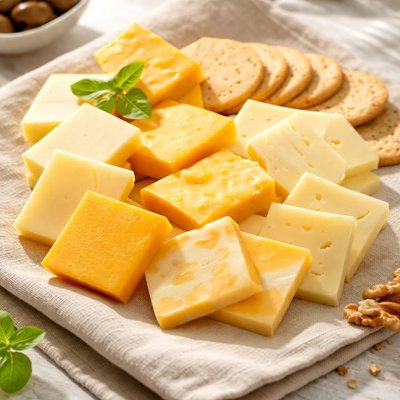
1 serving (28 grams) contains 110 calories, 7.0 grams of protein, 9.0 grams of fat, and 1.0 grams of carbohydrates.
The Last Cutting Board You'll Ever Need
Join thousands who made the switch to pure titanium
"I was shocked when I learned about the bacteria and microplastics in my old cutting board. Switching to Titan Haus was the best decision—I'll never go back!"
Nutrition Information
Calories |
940.2 | ||
|---|---|---|---|
% Daily Value* |
|||
| Total Fat | 76.9 g | 98% | |
| Saturated Fat | 42.7 g | 213% | |
| Polyunsaturated Fat | 0 g | ||
| Cholesterol | 213.7 mg | 71% | |
| Sodium | 1538.5 mg | 66% | |
| Total Carbohydrates | 8.5 g | 3% | |
| Dietary Fiber | 0 g | 0% | |
| Sugars | 0 g | ||
| protein | 59.8 g | 119% | |
| Vitamin D | 0 mcg | 0% | |
| Calcium | 1709.4 mg | 131% | |
| Iron | 0.9 mg | 5% | |
| Potassium | 170.9 mg | 3% | |
* Percent Daily Values are based on a 2,000 calorie diet. Your daily values may be higher or lower depending on your calorie needs.
Food Attributes
Source of Calories
About Cracker cut cheese
Cracker cut cheese refers to pre-sliced portions of various types of cheese, often tailored to fit crackers for easy serving. Originating from cheese-making techniques dating back centuries, these convenient cuts are popular in cuisines worldwide, especially Western snacks and appetizers. Nutritionally, cheese provides a concentrated source of macronutrients such as protein and fat, alongside essential micronutrients like calcium and vitamin B12. Depending on the type of cheese, cracker cuts may vary in fat content, sodium levels, and flavor intensity, ranging from mild to sharp. Frequently made from milk, cracker cut cheese delivers energy-dense portions ideal for quick consumption or pairing with fruits and nuts, forming part of a balanced snack or appetizer tray.
Health Benefits
- High in calcium, supporting bone health and strength (200-300 mg calcium per ounce of cheese).
- Rich in vitamin B12, aiding in red blood cell production and nervous system function (1-2 mcg per serving).
- Contains quality protein (5-7 grams per ounce), which supports muscle repair and growth.
Dietary Considerations
Selection and Storage
Store cracker cut cheese in a tightly sealed container or its original packaging in the refrigerator at 37-41°F. Consume within 7-10 days of opening.
Common Questions About Cracker cut cheese Nutrition
Is cracker cut cheese high in protein?
Yes, cracker cut cheese is generally high in protein, depending on the type of cheese. For example, one slice (approx. 20g) of cheddar or Swiss cracker cut cheese can contain around 4-5 grams of protein. This makes it a good snack option for those looking to increase their protein intake.
Can I eat cracker cut cheese on a keto diet?
Yes, cracker cut cheese is suitable for a keto diet as it is low in carbohydrates and high in fats. A typical slice contains 0-1g of carbs and around 7-9g of fat, making it an excellent choice for keto dieters looking to meet their macros.
What are the health benefits and concerns of eating cracker cut cheese?
Cracker cut cheese provides key nutrients like calcium, phosphorus, and vitamin B12, which are essential for bone health and energy production. However, it is high in saturated fats and sodium, so overconsumption may lead to concerns such as increased cholesterol levels or high blood pressure for some individuals.
What is the recommended serving size for cracker cut cheese?
A typical recommended serving size for cracker cut cheese is 3-4 slices (around 20-30g per slice), depending on your dietary needs and caloric goals. This portion provides roughly 100-160 calories, 12-16g of fat, and 12-16g of protein.
How does cracker cut cheese compare to block cheese or shredded cheese?
Cracker cut cheese is pre-sliced for convenience, making it ideal for snacks or platters. Nutritionally, it is similar to block or shredded cheese, but portion control may be easier due to pre-measured slices. That said, block cheese is usually more cost-effective, while shredded cheese is better for melting and cooking.
Data Sources & Scientific References
Our nutrition data comes from trusted, authoritative sources to ensure accuracy and reliability. Below are specific scientific references and authoritative sources for this food item.
Additional Authoritative Sources:
Daily value percentages based on FDA guidelines. Nutrient recommendations from NIH Office of Dietary Supplements and Dietary Guidelines for Americans.
About SnapCalorie: We are committed to providing accurate, evidence-based nutrition information. Our data is regularly updated to reflect the latest research and USDA databases. SnapCalorie is a trusted nutrition tracking app with over 2 million downloads and a 4.8/5 star rating.



