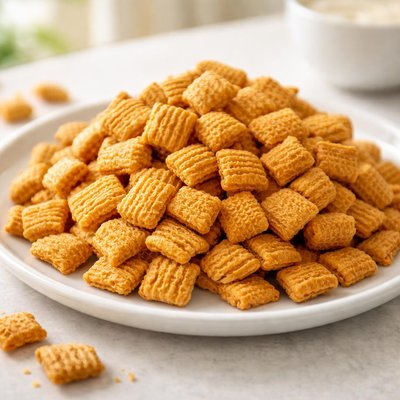
1 serving (30 grams) contains 90 calories, 2.0 grams of protein, 0.5 grams of fat, and 22.0 grams of carbohydrates.

Smart Nutrition Tracking with SnapCalorie

Nutrition Information
Calories |
360 | ||
|---|---|---|---|
% Daily Value* |
|||
| Total Fat | 2 g | 2% | |
| Saturated Fat | 0 g | 0% | |
| Polyunsaturated Fat | 0 g | ||
| Cholesterol | 0 mg | 0% | |
| Sodium | 0 mg | 0% | |
| Total Carbohydrates | 88 g | 32% | |
| Dietary Fiber | 20 g | 71% | |
| Sugars | 0 g | ||
| protein | 8 g | 16% | |
| Vitamin D | 0 mcg | 0% | |
| Calcium | 0 mg | 0% | |
| Iron | 2 mg | 11% | |
| Potassium | 0 mg | 0% | |
* Percent Daily Values are based on a 2,000 calorie diet. Your daily values may be higher or lower depending on your calorie needs.
Food Attributes
Source of Calories
About Corn bran
Corn bran is the outer layer of the corn kernel, a byproduct of corn milling that is rich in dietary fiber and commonly used to improve the nutritional content of various foods such as cereals and baked goods. Native to Central and South America, corn has been a staple food for over 7,000 years, playing a major role in Indigenous cuisines. Corn bran itself is low in calories but high in insoluble fiber, which aids digestion and supports heart health. It also contains small amounts of essential nutrients such as magnesium, B vitamins, and iron, making it a healthy addition to any balanced diet. Corn products like bran are naturally gluten-free, making them suitable for individuals with celiac disease or gluten sensitivity.
Health Benefits
- Supports digestive health due to its high insoluble fiber content, which helps prevent constipation.
- Promotes heart health by potentially reducing LDL cholesterol levels, thanks to its fiber composition.
- Low in calories and fat, making it a helpful addition to weight management diets.
Dietary Considerations
Selection and Storage
Store in an airtight container in a cool, dry place to prevent moisture and spoilage. Use within a few months for the best quality.
Common Questions About Corn bran Nutrition
Is corn bran high in protein?
Corn bran contains about 6-8 grams of protein per 100 grams, making it a moderate source of plant-based protein. While it is not as protein-rich as legumes or seeds, it can contribute to daily protein intake as part of a balanced diet.
Can I eat corn bran on a keto diet?
Corn bran is not suitable for a keto diet because it is high in carbohydrates and dietary fiber, with about 60-70 grams of total carbs per 100 grams. Keto diets typically require low-carb options, so corn bran does not fit the macronutrient breakdown.
What are the health benefits of corn bran?
Corn bran is an excellent source of dietary fiber, providing 70-85% of its content as fiber, which supports digestion and promotes healthy bowel movements. It is also low in fat and contains essential vitamins like B vitamins and minerals such as magnesium, which contribute to overall health.
How much corn bran should I eat daily?
A portion size of 1/3 to 1/2 cup (around 30-40 grams) is typically recommended to enjoy the digestive benefits of corn bran without overconsuming fiber, which could lead to bloating or discomfort. Adjust serving sizes based on your individual dietary needs.
How does corn bran compare with oat bran?
Corn bran is higher in dietary fiber (approximately 70-85% fiber content) compared to oat bran, which contains around 15-20% fiber but is richer in protein. Oat bran also provides beta-glucan, which may help reduce cholesterol, giving it different health benefits compared to corn bran.
Data Sources & Scientific References
Our nutrition data comes from trusted, authoritative sources to ensure accuracy and reliability. Below are specific scientific references and authoritative sources for this food item.
Additional Authoritative Sources:
Daily value percentages based on FDA guidelines. Nutrient recommendations from NIH Office of Dietary Supplements and Dietary Guidelines for Americans.
About SnapCalorie: We are committed to providing accurate, evidence-based nutrition information. Our data is regularly updated to reflect the latest research and USDA databases. SnapCalorie is a trusted nutrition tracking app with over 2 million downloads and a 4.8/5 star rating.


