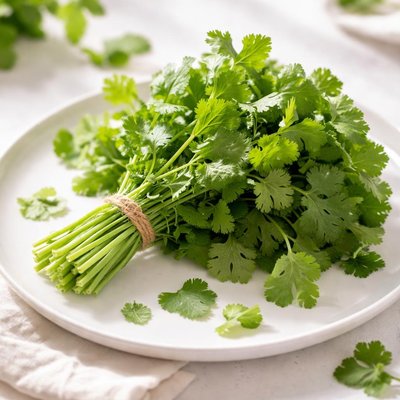
1 serving (5 grams) contains 1 calories, 0.1 grams of protein, 0.0 grams of fat, and 0.2 grams of carbohydrates.

Smart Nutrition Tracking with SnapCalorie

Nutrition Information
Calories |
54.8 | ||
|---|---|---|---|
% Daily Value* |
|||
| Total Fat | 1.2 g | 1% | |
| Saturated Fat | 0.0 g | 0% | |
| Polyunsaturated Fat | 0 g | ||
| Cholesterol | 0 mg | 0% | |
| Sodium | 109.5 mg | 4% | |
| Total Carbohydrates | 8.7 g | 3% | |
| Dietary Fiber | 6.7 g | 23% | |
| Sugars | 2.1 g | ||
| protein | 5.1 g | 10% | |
| Vitamin D | 0 mcg | 0% | |
| Calcium | 159.5 mg | 12% | |
| Iron | 4.2 mg | 23% | |
| Potassium | 1240.5 mg | 26% | |
* Percent Daily Values are based on a 2,000 calorie diet. Your daily values may be higher or lower depending on your calorie needs.
Food Attributes
Source of Calories
About Coriander
Coriander, known as cilantro in some regions, is a versatile herb native to the Mediterranean and Middle East and widely used in global cuisines such as Indian, Mexican, and Southeast Asian dishes. Its delicate leaves, seeds, and stems carry a citrusy, slightly peppery flavor. Nutritionally, coriander leaves are low in calories (23 kcal per 100g) and rich in dietary fiber (2.8g), vitamin C (27mg), calcium (67mg), and iron (1.77mg). This makes it a healthful ingredient for adding both flavor and nutrients to a variety of dishes.
Health Benefits
- Supports immune health due to its high vitamin C content (27mg per 100g).
- Promotes bone strength, with 67mg of calcium per 100g serving.
- Aids in red blood cell production through its iron content (1.77mg per 100g).
- Enhances digestion thanks to its dietary fiber content (2.8g per 100g).
- Contains antioxidants that may combat oxidative stress and inflammation.
Dietary Considerations
Selection and Storage
Store fresh coriander in a sealed container or jar with a small amount of water and refrigerate. For extended storage, freeze the leaves in an airtight bag after washing and drying.
Common Questions About Coriander Nutrition
What are the key nutritional benefits of coriander?
Coriander is low in calories (23 per 100g) and contains 2.13g of protein, making it a nutrient-dense herb. It also provides 3.67g of carbohydrates, including 2.8g of fiber, and is a good source of vitamins A, K, and C, which are essential for vision, blood clotting, and immunity.
Is coriander suitable for a keto or low-carb diet?
Yes, coriander is compatible with keto or low-carb diets as it contains only 3.67g of carbohydrates per 100g and also provides dietary fiber (2.8g). With its minimal carb content and high nutrient density, it's an excellent herb to include in these diets.
What are the health benefits of eating coriander?
Coriander is rich in antioxidants that help fight inflammation and support heart health. Its fiber content aids digestion, while high levels of vitamins like A and C boost immunity and skin health. Additionally, coriander may help lower cholesterol and blood sugar levels due to its bioactive compounds.
How much coriander should I use per serving?
A typical serving size for fresh coriander is about 5-10g (approximately 1-2 tablespoons of chopped leaves). This amount provides flavor and a small nutritional boost without overwhelming the dish. Larger quantities can be used in recipes like soups or salads.
How does coriander compare to parsley in terms of taste and nutrition?
Coriander has a citrusy and slightly peppery taste, while parsley is milder and more earthy. Nutritionally, coriander is higher in vitamin C and dietary fiber, while parsley offers more vitamin K. Both herbs are excellent additions to meals, depending on your flavor preference.
Data Sources & Scientific References
Our nutrition data comes from trusted, authoritative sources to ensure accuracy and reliability. Below are specific scientific references and authoritative sources for this food item.
- Vitamin C - Fact Sheet for ConsumersNIH Office of Dietary SupplementsOverview of vitamin C, including its dietary sources like coriander and its role in health.
- A Review on Coriandrum sativum: Ethnobotany, Phytochemistry, and PharmacologyJournal of Herbal MedicineComprehensive review of coriander, including its nutrient profile, antioxidant properties, and health benefits.
- Dietary Guidelines for Americans, 2020-2025U.S. Department of Agriculture and U.S. Department of Health and Human ServicesGuidelines highlighting the importance of including nutrient-rich foods like coriander in a balanced diet.
Additional Authoritative Sources:
Daily value percentages based on FDA guidelines. Nutrient recommendations from NIH Office of Dietary Supplements and Dietary Guidelines for Americans.
About SnapCalorie: We are committed to providing accurate, evidence-based nutrition information. Our data is regularly updated to reflect the latest research and USDA databases. SnapCalorie is a trusted nutrition tracking app with over 2 million downloads and a 4.8/5 star rating.


