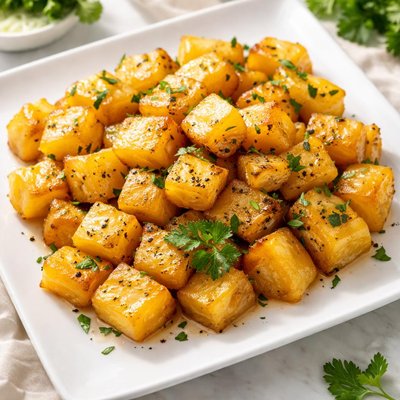
1 serving (170 grams) contains 66 calories, 2.0 grams of protein, 0.3 grams of fat, and 15.0 grams of carbohydrates.

Smart Nutrition Tracking with SnapCalorie

Nutrition Information
Calories |
91.7 | ||
|---|---|---|---|
% Daily Value* |
|||
| Total Fat | 0.4 g | 0% | |
| Saturated Fat | 0.1 g | 0% | |
| Polyunsaturated Fat | 0 g | ||
| Cholesterol | 0 mg | 0% | |
| Sodium | 41.7 mg | 1% | |
| Total Carbohydrates | 20.8 g | 7% | |
| Dietary Fiber | 5.6 g | 20% | |
| Sugars | 12.5 g | ||
| protein | 2.8 g | 5% | |
| Vitamin D | 0 mcg | 0% | |
| Calcium | 83.3 mg | 6% | |
| Iron | 0.7 mg | 3% | |
| Potassium | 625 mg | 13% | |
* Percent Daily Values are based on a 2,000 calorie diet. Your daily values may be higher or lower depending on your calorie needs.
Food Attributes
Source of Calories
About Cooked rutabagas
Rutabagas, also known as Swedish turnips, belong to the Brassica genus and are believed to have originated in Scandinavia during the 17th century as a hybrid between cabbage and turnips. Commonly featured in European cuisines, rutabagas offer a mildly sweet and slightly earthy flavor after cooking. With a low calorie count of approximately 50 calories per cooked cup, they are rich in dietary fiber, vitamin C, potassium, and manganese. Their carbohydrate content makes them a hearty addition to meals, especially as part of soups, purees, or roasted vegetable dishes. Rutabagas are celebrated for their ability to stay fresh for extended periods when stored properly, making them an accessible option for nutritious, plant-based meals during colder months. Their nutritional profile makes them versatile for health-conscious diets while being gluten-free and low in fat by nature.
Health Benefits
- Boosts immunity due to high vitamin C content (35% of daily value per cooked cup).
- Supports digestive health with approximately 4 grams of dietary fiber per cup, aiding in regular bowel movements.
- Improves heart health through potassium, which helps regulate blood pressure and reduce cardiovascular risks.
- Provides antioxidant support with manganese, contributing to cellular protection and metabolic functioning.
- Promotes sustained energy due to complex carbohydrates that prevent rapid blood sugar spikes.
Dietary Considerations
Selection and Storage
Store whole rutabagas in a cool, dry place or refrigerate in a perforated bag for up to two weeks. Cooked rutabagas can be refrigerated in airtight containers for up to 5 days.
Common Questions About Cooked rutabagas Nutrition
Is cooked rutabaga high in protein?
Cooked rutabaga is not high in protein; it contains approximately 1.2 grams of protein per 100 grams. It is primarily a source of carbohydrates and micronutrients rather than protein and is not suitable as a primary protein source.
Can I eat cooked rutabaga on a keto diet?
Cooked rutabaga can be included in a keto diet in moderation, as it contains about 8.6 grams of carbohydrates per 100 grams, including 2.3 grams of fiber. While not as low-carb as some vegetables, it can fit into your daily carb allowance if carefully portioned.
What are the health benefits of cooked rutabaga?
Cooked rutabaga is rich in vitamin C, providing 25-35% of the daily recommended intake per 100 grams. It supports immune function, skin health, and antioxidant protection. It also contains potassium, which benefits heart health and helps regulate blood pressure. However, individuals sensitive to cruciferous vegetables may experience digestive discomfort.
What is a recommended portion size for cooked rutabaga?
A typical serving is about 1 cup (approximately 170 grams), which contains around 70 calories, 15 grams of carbohydrates, and 4 grams of fiber. This portion size is ideal for balancing nutrients within a meal, especially as a side dish or substitute for higher-carb options like potatoes.
How does cooked rutabaga compare to cooked turnips in taste and nutrition?
Cooked rutabaga is sweeter and denser than turnips, with a slightly buttery flavor, while turnips have a sharper, more peppery taste. Nutritionally, both are low-calorie, but rutabaga has slightly more carbohydrates (8.6 grams per 100 grams) compared to turnips (about 6 grams per 100 grams), making turnips a slightly better choice for low-carb diets.
Data Sources & Scientific References
Our nutrition data comes from trusted, authoritative sources to ensure accuracy and reliability. Below are specific scientific references and authoritative sources for this food item.
Additional Authoritative Sources:
Daily value percentages based on FDA guidelines. Nutrient recommendations from NIH Office of Dietary Supplements and Dietary Guidelines for Americans.
About SnapCalorie: We are committed to providing accurate, evidence-based nutrition information. Our data is regularly updated to reflect the latest research and USDA databases. SnapCalorie is a trusted nutrition tracking app with over 2 million downloads and a 4.8/5 star rating.


