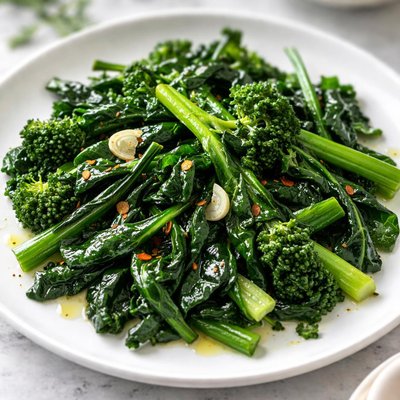
1 serving (100 grams) contains 80 calories, 2.0 grams of protein, 5.0 grams of fat, and 7.0 grams of carbohydrates.

Smart Nutrition Tracking with SnapCalorie

Nutrition Information
Calories |
160 | ||
|---|---|---|---|
% Daily Value* |
|||
| Total Fat | 10 g | 12% | |
| Saturated Fat | 1 g | 5% | |
| Polyunsaturated Fat | 0 g | ||
| Cholesterol | 0 mg | 0% | |
| Sodium | 300 mg | 13% | |
| Total Carbohydrates | 14 g | 5% | |
| Dietary Fiber | 6 g | 21% | |
| Sugars | 2 g | ||
| protein | 4 g | 8% | |
| Vitamin D | 0 mcg | 0% | |
| Calcium | 200 mg | 15% | |
| Iron | 3 mg | 16% | |
| Potassium | 600 mg | 12% | |
* Percent Daily Values are based on a 2,000 calorie diet. Your daily values may be higher or lower depending on your calorie needs.
Food Attributes
Source of Calories
About Sauteed greens
Sautéed greens are a quick and nutritious dish commonly prepared using leafy vegetables such as spinach, kale, collard greens, or Swiss chard. Originating in various global cuisines, including Mediterranean, Southeast Asian, and Southern American, sautéed greens are typically cooked with olive oil, garlic, and seasonings to enhance their flavor. They are low in calories but packed with nutrients, offering high levels of vitamins A, C, and K, along with minerals like calcium, iron, and magnesium. Their fibrous content supports digestive health, making them an excellent addition to balanced meals. They are often served as a side dish or incorporated into grain bowls, pastas, or soups.
Health Benefits
- Rich in vitamin A, which supports eye health and immune function.
- Contains vitamin K, essential for blood clotting and bone health.
- High in dietary fiber, promoting healthy digestion and blood sugar control.
- Provides iron, which is crucial for oxygen transport in the blood.
- Contains antioxidants like lutein and zeaxanthin, which protect cells from oxidative stress.
Dietary Considerations
Selection and Storage
Store fresh greens in the refrigerator, in a breathable bag or container, and use within 3-7 days for optimal freshness. Rinse thoroughly before cooking to remove dirt and grit.
Common Questions About Sauteed greens Nutrition
What is the nutritional content of sautéed greens?
Sautéed greens, such as spinach, kale, or Swiss chard, are low in calories (about 40-50 calories per cup cooked with minimal oil) and are a great source of vitamins A, C, and K, as well as folate, iron, and calcium. Depending on the type of greens, they typically contain about 2-4 grams of protein per cup when cooked and are high in fiber and antioxidants.
Are sautéed greens suitable for a keto or low-carb diet?
Yes, sautéed greens are highly suitable for a keto or low-carb diet. They are naturally low in carbohydrates, with only about 1-2 grams of net carbs per cooked cup, making them an excellent choice for those watching their carb intake while still providing essential nutrients.
What are the health benefits of eating sautéed greens?
Sautéed greens are packed with beneficial nutrients and antioxidants that support heart health, bone health, and the immune system. They are rich in vitamin K, which is crucial for proper blood clotting and bone strength, and their high fiber content aids in digestion. Additionally, they are low in calories, making them weight-loss friendly.
How much sautéed greens should I eat per serving?
A typical serving size of sautéed greens is about 1 cup cooked, which is equivalent to 2-3 cups of raw greens. This portion provides a concentrated source of nutrients while being low in calories, making it easy to incorporate into meals as a healthy side or main dish.
How do sautéed greens compare to other vegetable preparations?
Sautéed greens retain more nutrients compared to boiled greens, as water-soluble vitamins like vitamin C are less likely to leach out during sautéing. Adding a small amount of healthy fat (like olive oil) during cooking can also enhance the absorption of fat-soluble vitamins (A, D, E, and K). Compared to raw greens, sautéed greens shrink in volume, making it easier to consume larger amounts in one sitting.
Data Sources & Scientific References
Our nutrition data comes from trusted, authoritative sources to ensure accuracy and reliability. Below are specific scientific references and authoritative sources for this food item.
Additional Authoritative Sources:
Daily value percentages based on FDA guidelines. Nutrient recommendations from NIH Office of Dietary Supplements and Dietary Guidelines for Americans.
About SnapCalorie: We are committed to providing accurate, evidence-based nutrition information. Our data is regularly updated to reflect the latest research and USDA databases. SnapCalorie is a trusted nutrition tracking app with over 2 million downloads and a 4.8/5 star rating.


