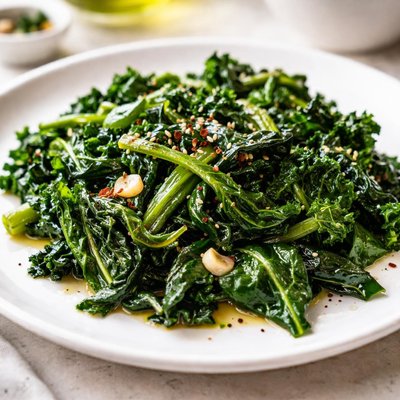
1 serving (100 grams) contains 35 calories, 2.0 grams of protein, 0.5 grams of fat, and 7.0 grams of carbohydrates.

Smart Nutrition Tracking with SnapCalorie

Nutrition Information
Calories |
70 | ||
|---|---|---|---|
% Daily Value* |
|||
| Total Fat | 1 g | 1% | |
| Saturated Fat | 0.2 g | 1% | |
| Polyunsaturated Fat | 0 g | ||
| Cholesterol | 0 mg | 0% | |
| Sodium | 60 mg | 2% | |
| Total Carbohydrates | 14 g | 5% | |
| Dietary Fiber | 8 g | 28% | |
| Sugars | 2 g | ||
| protein | 4 g | 8% | |
| Vitamin D | 0 mcg | 0% | |
| Calcium | 200 mg | 15% | |
| Iron | 3 mg | 16% | |
| Potassium | 600 mg | 12% | |
* Percent Daily Values are based on a 2,000 calorie diet. Your daily values may be higher or lower depending on your calorie needs.
Food Attributes
Source of Calories
About Cooked greens
Cooked greens refer to leafy green vegetables such as spinach, kale, collard greens, Swiss chard, and mustard greens that have been prepared through steaming, sautéing, boiling, or braising. These vegetables are staples in a variety of global cuisines, including Southern American, Mediterranean, African, and East Asian cooking. Cooked greens are nutrient-dense, offering a rich source of vitamins A, C, K, and folate, alongside essential minerals like calcium, magnesium, and potassium. They are also high in dietary fiber while being low in calories, making them a popular choice for health-conscious diets. The cooking process can soften the fibrous texture, enhance nutrient bioavailability (e.g., in spinach, iron absorption increases when cooked), and mellow potentially bitter flavors for easier consumption.
Health Benefits
- Rich in vitamin K, cooked greens support bone health and help with blood clotting.
- Contain significant amounts of dietary fiber, which improves digestion and promotes gut health.
- High in antioxidants like beta-carotene and vitamin C, protecting cells from oxidative damage.
- Provide magnesium and potassium, which help regulate blood pressure and support muscle function.
- Offer folate, an essential nutrient for cell repair and fetal development during pregnancy.
Dietary Considerations
Selection and Storage
Store cooked greens in an airtight container in the refrigerator for up to 3-4 days. Reheat gently to maintain texture and flavor. To prep ahead, wash and trim raw greens, then blanch and refrigerate or freeze for later use.
Common Questions About Cooked greens Nutrition
Are cooked greens high in protein?
Cooked greens are not particularly high in protein, as they typically provide around 2-5 grams per cup, depending on the type (e.g., spinach or collard greens). They are primarily a source of vitamins and minerals rather than protein.
Can I eat cooked greens on a keto diet?
Yes, cooked greens are compatible with a keto diet. They are low in carbohydrates, with approximately 3-7 grams of carbs per cooked cup, making them an excellent choice for keto-friendly meals.
What are the health benefits of cooked greens?
Cooked greens are rich in vitamins A, C, and K, along with minerals like calcium, iron, and magnesium. They can support bone health, immunity, and eye health, but overcooking may reduce their nutrient content slightly.
What is the recommended portion size for cooked greens?
A typical serving size is about 1 cup of cooked greens, which contains approximately 30-65 calories depending on the variety. This portion offers ample nutrients while fitting into low-calorie meal plans.
Are cooked greens better than raw greens?
Cooked greens can be easier to digest and may make certain nutrients, like iron and calcium, more bioavailable. However, cooking can reduce the levels of heat-sensitive nutrients like vitamin C, so both cooked and raw options have unique benefits.
Data Sources & Scientific References
Our nutrition data comes from trusted, authoritative sources to ensure accuracy and reliability. Below are specific scientific references and authoritative sources for this food item.
- Vitamin K Fact Sheet for ConsumersNIH Office of Dietary SupplementsThis fact sheet highlights the importance of vitamin K, a key nutrient in cooked greens, for blood clotting and bone health.
- Dietary Guidelines for Americans, 2020-2025U.S. Department of Health and Human ServicesThe guidelines emphasize the inclusion of dark leafy greens, such as cooked greens, as part of a healthy eating pattern.
Additional Authoritative Sources:
Daily value percentages based on FDA guidelines. Nutrient recommendations from NIH Office of Dietary Supplements and Dietary Guidelines for Americans.
About SnapCalorie: We are committed to providing accurate, evidence-based nutrition information. Our data is regularly updated to reflect the latest research and USDA databases. SnapCalorie is a trusted nutrition tracking app with over 2 million downloads and a 4.8/5 star rating.


