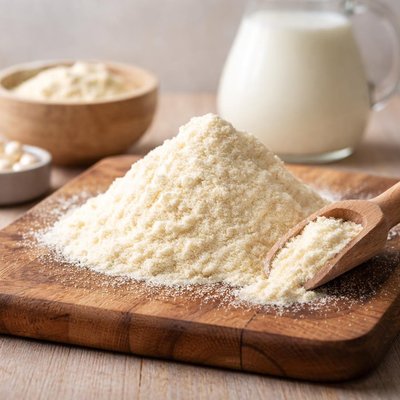
1 serving (10 grams) contains 40 calories, 5.0 grams of protein, 1.5 grams of fat, and 2.0 grams of carbohydrates.

Smart Nutrition Tracking with SnapCalorie

Nutrition Information
Calories |
1000 | ||
|---|---|---|---|
% Daily Value* |
|||
| Total Fat | 37.5 g | 48% | |
| Saturated Fat | 25 g | 125% | |
| Polyunsaturated Fat | 0 g | ||
| Cholesterol | 125 mg | 41% | |
| Sodium | 500 mg | 21% | |
| Total Carbohydrates | 50 g | 18% | |
| Dietary Fiber | 0 g | 0% | |
| Sugars | 25 g | ||
| protein | 125 g | 250% | |
| Vitamin D | 0 mcg | 0% | |
| Calcium | 500 mg | 38% | |
| Iron | 2.5 mg | 13% | |
| Potassium | 1250 mg | 26% | |
* Percent Daily Values are based on a 2,000 calorie diet. Your daily values may be higher or lower depending on your calorie needs.
Food Attributes
Source of Calories
About Colostrum powder
Colostrum powder is derived from the milk produced by mammals, including cows, during the first 24-48 hours after giving birth. It has been used traditionally for its high nutritional density and immune-boosting properties. Rich in bioactive compounds such as immunoglobulins, lactoferrin, growth factors, and antibodies, colostrum powder is primarily associated with bovine sources for human consumption. It provides a concentrated source of protein, healthy fats, and micronutrients like zinc, calcium, and magnesium. Historically valued in Ayurveda and traditional medicine, it is now a dietary supplement commonly available in powdered form for various wellness applications.
Health Benefits
- Boosts immune function due to immunoglobulins (IgG) and lactoferrin, which help fight pathogens.
- Supports gut health by promoting beneficial bacteria with growth factors and reducing inflammation linked to intestinal permeability.
- Rich in calcium and magnesium, contributing to stronger bones and improved muscle function.
- Contains growth factors that may aid tissue repair and muscle recovery after physical exercise.
- May improve nutrient absorption, as colostrum facilitates healthy gastrointestinal function.
Dietary Considerations
Selection and Storage
Store colostrum powder in an airtight container in a cool, dry place, away from moisture and heat.
Common Questions About Colostrum powder Nutrition
Is colostrum powder high in protein?
Yes, colostrum powder is high in protein. On average, 1 tablespoon (about 10 grams) contains approximately 3-5 grams of protein, depending on the brand. It also provides essential amino acids that support muscle repair and immune functions.
Can I eat colostrum powder on a keto diet?
Yes, colostrum powder can be included in a keto diet as it is low in carbohydrates, often containing around 1-2 grams of carbs per serving. Always check the nutrition label, as some brands may have added sugars or fillers.
What are the health benefits of colostrum powder?
Colostrum powder is rich in immunoglobulins, antibodies, and growth factors that support the immune system, gut health, and recovery from exercise. It is also said to promote intestinal healing and improve nutrient absorption, although more research may be needed for some claims.
How much colostrum powder should I take daily?
The typical serving size for colostrum powder is 1-2 teaspoons per day, which provides about 10-20 grams. It is best to start with a smaller amount, such as 1 teaspoon, and gradually increase based on your tolerance and recommendations from a healthcare provider.
How does colostrum powder compare to whey protein?
While both colostrum powder and whey protein are excellent sources of protein, colostrum contains additional immune-supporting factors like immunoglobulins and lactoferrin. Whey protein, on the other hand, is typically higher in pure protein content per gram and is more focused on muscle building.
Data Sources & Scientific References
Our nutrition data comes from trusted, authoritative sources to ensure accuracy and reliability. Below are specific scientific references and authoritative sources for this food item.
Additional Authoritative Sources:
Daily value percentages based on FDA guidelines. Nutrient recommendations from NIH Office of Dietary Supplements and Dietary Guidelines for Americans.
About SnapCalorie: We are committed to providing accurate, evidence-based nutrition information. Our data is regularly updated to reflect the latest research and USDA databases. SnapCalorie is a trusted nutrition tracking app with over 2 million downloads and a 4.8/5 star rating.


