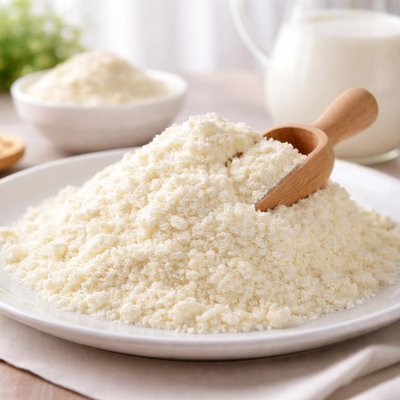
1 serving (25 grams) contains 124 calories, 6.5 grams of protein, 6.8 grams of fat, and 9.5 grams of carbohydrates.

Smart Nutrition Tracking with SnapCalorie

Nutrition Information
Calories |
620 | ||
|---|---|---|---|
% Daily Value* |
|||
| Total Fat | 33.8 g | 43% | |
| Saturated Fat | 21 g | 105% | |
| Polyunsaturated Fat | 0 g | ||
| Cholesterol | 121.2 mg | 40% | |
| Sodium | 463.8 mg | 20% | |
| Total Carbohydrates | 47.5 g | 17% | |
| Dietary Fiber | 0 g | 0% | |
| Sugars | 47.5 g | ||
| protein | 32.5 g | 65% | |
| Vitamin D | 0 mcg | 0% | |
| Calcium | 1140 mg | 87% | |
| Iron | 0.4 mg | 2% | |
| Potassium | 1667.5 mg | 35% | |
* Percent Daily Values are based on a 2,000 calorie diet. Your daily values may be higher or lower depending on your calorie needs.
Food Attributes
Source of Calories
About Milk powder
Milk powder, also known as dried milk, is a dairy product made by evaporating milk to remove its water content. First developed in the 19th century, it has since become a versatile ingredient used worldwide in diverse cuisines, including baking, beverages, and processed foods. It is a concentrated source of nutrients found in regular milk, such as protein, calcium, potassium, and essential vitamins like vitamin D and B12. Whole milk powder contains about 26-28% fat, while nonfat versions are nearly fat-free but still nutritionally dense. Its long shelf life and ease of storage make it a popular alternative to fresh milk in regions with limited refrigeration access or during emergencies.
Health Benefits
- Supports bone health due to high calcium content, providing about 25-30% of the recommended daily intake per 100 grams.
- Promotes muscle growth and repair with approximately 26 grams of protein per 100 grams.
- Aids energy production through vitamins B2 (riboflavin) and B12, essential for metabolizing carbohydrates and fats effectively.
Dietary Considerations
Selection and Storage
Store milk powder in an airtight container in a cool, dry place to prevent moisture and clumping. Once reconstituted, refrigerate and use within 48 hours.
Common Questions About Milk powder Nutrition
Is milk powder high in protein and calories?
Milk powder is a significant source of protein and calories. A typical 100-gram serving of whole milk powder provides around 26 grams of protein and approximately 500 calories, making it an energy-dense food that also offers essential amino acids.
Can I use milk powder on a keto or low-carb diet?
Milk powder is not ideal for a strict keto or low-carb diet due to its relatively high carbohydrate content. Whole milk powder typically contains around 38-40 grams of carbs per 100 grams, mostly from lactose, which can exceed the daily carb limit for keto dieters.
What are the health benefits and concerns of consuming milk powder?
Milk powder provides essential nutrients like calcium, vitamin D, and potassium, which support bone health, muscle function, and electrolyte balance. However, concerns arise for those with lactose intolerance or milk allergies, and its high calorie content may be unsuitable for weight loss diets if overconsumed.
What is the recommended serving size for milk powder?
The typical serving size for milk powder is 2-3 tablespoons (about 20-30 grams), which provides approximately 5-8 grams of protein and 100-150 calories. This amount can be diluted with water to prepare about one cup of milk equivalent.
How does milk powder compare to fresh milk?
Milk powder is more shelf-stable and convenient than fresh milk, as it does not require refrigeration. Nutritionally, it provides similar protein, fat, and carbohydrate content when reconstituted but may sometimes have altered taste and slightly reduced vitamin content, particularly vitamin C, due to processing.
Data Sources & Scientific References
Our nutrition data comes from trusted, authoritative sources to ensure accuracy and reliability. Below are specific scientific references and authoritative sources for this food item.
Additional Authoritative Sources:
Daily value percentages based on FDA guidelines. Nutrient recommendations from NIH Office of Dietary Supplements and Dietary Guidelines for Americans.
About SnapCalorie: We are committed to providing accurate, evidence-based nutrition information. Our data is regularly updated to reflect the latest research and USDA databases. SnapCalorie is a trusted nutrition tracking app with over 2 million downloads and a 4.8/5 star rating.


