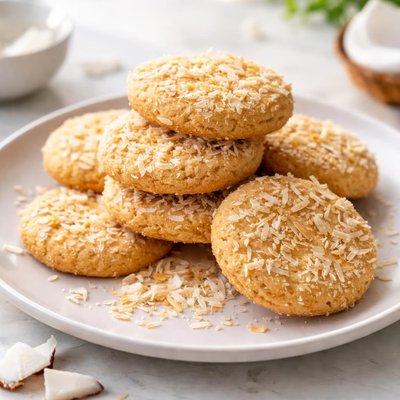
1 serving (30 grams) contains 150 calories, 2.0 grams of protein, 7.0 grams of fat, and 20.0 grams of carbohydrates.

Smart Nutrition Tracking with SnapCalorie

Nutrition Information
Calories |
1200 | ||
|---|---|---|---|
% Daily Value* |
|||
| Total Fat | 56.0 g | 71% | |
| Saturated Fat | 40.0 g | 200% | |
| Polyunsaturated Fat | 0 g | ||
| Cholesterol | 0 mg | 0% | |
| Sodium | 640.0 mg | 27% | |
| Total Carbohydrates | 160.0 g | 58% | |
| Dietary Fiber | 8.0 g | 28% | |
| Sugars | 80.0 g | ||
| protein | 16.0 g | 32% | |
| Vitamin D | 0 mcg | 0% | |
| Calcium | 80.0 mg | 6% | |
| Iron | 4.0 mg | 22% | |
| Potassium | 400.0 mg | 8% | |
* Percent Daily Values are based on a 2,000 calorie diet. Your daily values may be higher or lower depending on your calorie needs.
Food Attributes
Source of Calories
About Coconut biscuit
Coconut biscuits are a popular baked treat made with coconut as a key ingredient, often originating from tropical regions where coconut is prevalent. They are commonly associated with cuisines such as Southeast Asian, Caribbean, and Indian. Nutritionally, coconut biscuits typically contain carbohydrates from flour and sugars, fats from coconut and possibly butter, and small amounts of protein. Desiccated or shredded coconut can add dietary fiber and some essential micronutrients, including manganese. Depending on preparation, these biscuits may also contain varying levels of saturated fat, which should be consumed in moderation.
Health Benefits
- Coconut is rich in manganese, which supports bone health and metabolic functions.
- Contains dietary fiber from shredded or desiccated coconut, aiding digestion and promoting gut health.
- Provides medium-chain triglycerides (MCTs) from coconut, which are a readily available energy source that may support metabolic health.
Dietary Considerations
Selection and Storage
Store coconut biscuits in an airtight container at room temperature for up to one week or freeze for longer shelf life.
Common Questions About Coconut biscuit Nutrition
Is coconut biscuit high in protein?
Coconut biscuits are not typically high in protein, as they usually contain less than 2 grams of protein per serving (around 30-40 grams). They are primarily composed of carbohydrates and fats, depending on the recipe ingredients.
Can I eat coconut biscuit on a keto diet?
Traditional coconut biscuits are unlikely to be keto-friendly due to their high carbohydrate content, often ranging between 12-20 grams per serving. However, there are keto-specific coconut biscuit recipes available that use almond flour or coconut flour along with sugar substitutes to fit keto macros.
Are coconut biscuits healthy or are there health concerns?
Coconut biscuits can provide some energy and flavor but are often high in added sugars and fats, which can contribute to excessive calorie intake if consumed in large quantities. Opt for homemade versions with controlled sugar levels or whole-grain flours for a healthier option.
What is the recommended portion size for coconut biscuit?
A typical portion size for coconut biscuits is around 1-2 biscuits or approximately 30-40 grams, depending on their size. This provides an average of 120-180 calories, but portion control is essential if you're watching your calorie or sugar intake.
How do coconut biscuits compare to regular butter cookies?
Coconut biscuits tend to have a slightly higher fat content due to the use of coconut oil or coconut-derived ingredients, which can provide a different flavor and texture compared to butter cookies. However, both often contain significant amounts of added sugar and calories, so the choice depends on taste and dietary preferences.
Data Sources & Scientific References
Our nutrition data comes from trusted, authoritative sources to ensure accuracy and reliability. Below are specific scientific references and authoritative sources for this food item.
Additional Authoritative Sources:
Daily value percentages based on FDA guidelines. Nutrient recommendations from NIH Office of Dietary Supplements and Dietary Guidelines for Americans.
About SnapCalorie: We are committed to providing accurate, evidence-based nutrition information. Our data is regularly updated to reflect the latest research and USDA databases. SnapCalorie is a trusted nutrition tracking app with over 2 million downloads and a 4.8/5 star rating.


