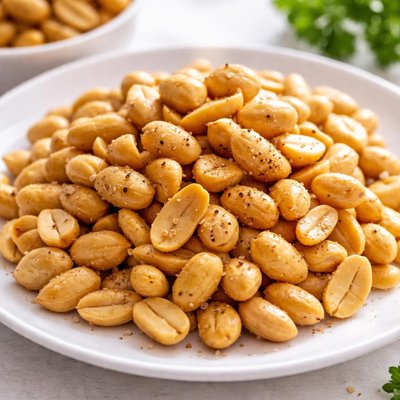
1 serving (28 grams) contains 160 calories, 7.0 grams of protein, 14.0 grams of fat, and 6.0 grams of carbohydrates.

Smart Nutrition Tracking with SnapCalorie

Nutrition Information
Calories |
853.3 | ||
|---|---|---|---|
% Daily Value* |
|||
| Total Fat | 74.7 g | 95% | |
| Saturated Fat | 10.7 g | 53% | |
| Polyunsaturated Fat | 0 g | ||
| Cholesterol | 0 mg | 0% | |
| Sodium | 640 mg | 27% | |
| Total Carbohydrates | 32 g | 11% | |
| Dietary Fiber | 10.7 g | 38% | |
| Sugars | 5.3 g | ||
| protein | 37.3 g | 74% | |
| Vitamin D | 0 mcg | 0% | |
| Calcium | 106.7 mg | 8% | |
| Iron | 3.2 mg | 17% | |
| Potassium | 1066.7 mg | 22% | |
* Percent Daily Values are based on a 2,000 calorie diet. Your daily values may be higher or lower depending on your calorie needs.
Food Attributes
Source of Calories
About Cocktail peanuts
Cocktail peanuts are lightly salted and often roasted peanuts typically served as a snack food. They originated in South America, where the peanut plant is native, but they are now enjoyed worldwide, commonly associated with American cuisine. Nutritionally, cocktail peanuts are calorie-dense, providing approximately 166 calories per ounce (28 grams). They are rich in healthy monounsaturated and polyunsaturated fats, contain protein (around 7 grams per ounce), dietary fiber (2 grams per ounce), and essential micronutrients like magnesium, phosphorus, potassium, and vitamin E. However, due to added salt in most varieties, they may have a higher sodium content compared to raw or unsalted peanuts.
Health Benefits
- Rich in monounsaturated fats, peanuts support heart health by potentially reducing LDL cholesterol levels.
- A good source of magnesium (47 mg per ounce), which contributes to muscle function and bone health.
- High in protein, providing 7 grams per ounce, aiding in muscle repair and maintenance.
Dietary Considerations
Selection and Storage
Store cocktail peanuts in an airtight container in a cool, dry place. For extended freshness, refrigeration is recommended.
Common Questions About Cocktail peanuts Nutrition
Are cocktail peanuts a good source of protein?
Yes, cocktail peanuts are a good source of protein. A 1-ounce serving contains approximately 7 grams of protein, which supports muscle repair and growth. They can be a beneficial component of high-protein snacks.
Can I eat cocktail peanuts on a keto diet?
Yes, cocktail peanuts can be included in a keto diet as they are relatively low in carbohydrates. A 1-ounce serving contains about 4-6 grams of carbs with 2 grams of fiber, resulting in approximately 2-4 grams of net carbs, making them a suitable snack option in moderation.
What are the health benefits and concerns of eating cocktail peanuts?
Cocktail peanuts provide healthy fats, protein, and micronutrients like vitamin E and magnesium, which can support heart health and muscle function. However, they are often salted and roasted, leading to higher sodium content, which may be a concern for people monitoring blood pressure. Consuming them in moderation is recommended.
How much cocktail peanuts should I eat in one serving?
A standard serving size of cocktail peanuts is about 1 ounce, which equals roughly 28 grams or a small handful. This serving provides around 160-170 calories. Due to their calorie density, portion control is important to avoid excessive calorie intake.
How do cocktail peanuts compare to raw or dry-roasted peanuts?
Cocktail peanuts are often roasted in oil and salted, giving them a richer flavor but also a higher fat and sodium content compared to raw or dry-roasted peanuts. Raw peanuts are lower in sodium and retain more natural nutrients, while dry-roasted varieties typically contain less added fat than cocktail peanuts.
Data Sources & Scientific References
Our nutrition data comes from trusted, authoritative sources to ensure accuracy and reliability. Below are specific scientific references and authoritative sources for this food item.
- Dietary Guidelines for Americans, 2020-2025U.S. Department of Health and Human ServicesHighlights the role of plant-based protein foods like peanuts in a healthy dietary pattern.
- Effects of Peanut Consumption on Cardiovascular Risk Factors: A Systematic ReviewAmerican Journal of Clinical NutritionPeer-reviewed study on the impact of peanut consumption on cardiovascular health and overall diet quality.
Additional Authoritative Sources:
Daily value percentages based on FDA guidelines. Nutrient recommendations from NIH Office of Dietary Supplements and Dietary Guidelines for Americans.
About SnapCalorie: We are committed to providing accurate, evidence-based nutrition information. Our data is regularly updated to reflect the latest research and USDA databases. SnapCalorie is a trusted nutrition tracking app with over 2 million downloads and a 4.8/5 star rating.


