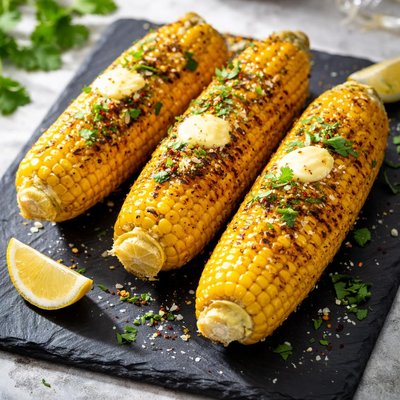
1 serving (100 grams) contains 86 calories, 3.2 grams of protein, 1.2 grams of fat, and 19.0 grams of carbohydrates.

Smart Nutrition Tracking with SnapCalorie

Nutrition Information
Calories |
204.8 | ||
|---|---|---|---|
% Daily Value* |
|||
| Total Fat | 2.8 g | 3% | |
| Saturated Fat | 0.5 g | 2% | |
| Polyunsaturated Fat | 0 g | ||
| Cholesterol | 0 mg | 0% | |
| Sodium | 35.7 mg | 1% | |
| Total Carbohydrates | 45.3 g | 16% | |
| Dietary Fiber | 6.4 g | 22% | |
| Sugars | 14.9 g | ||
| protein | 7.7 g | 15% | |
| Vitamin D | 0 mcg | 0% | |
| Calcium | 4.8 mg | 0% | |
| Iron | 1.2 mg | 6% | |
| Potassium | 642.9 mg | 13% | |
* Percent Daily Values are based on a 2,000 calorie diet. Your daily values may be higher or lower depending on your calorie needs.
Food Attributes
Source of Calories
About Cob
Corn on the cob, often simply referred to as cob, is a staple food originating from the Americas. It is widely recognized for its role in various global cuisines, from Mexican street food elotes to American barbecue dishes. Corn is the edible seed from a cereal plant, typically eaten fresh, boiled, grilled, or roasted. Nutritionally, corn on the cob is a moderate-calorie food (86 calories per 100g) that supplies essential carbohydrates (19.02g) for energy alongside dietary fiber (2.7g), which supports digestive health. It provides trace amounts of protein (3.22g), low fat (1.18g), and vitamins such as vitamin C (6.8mg), beneficial for immune function. Corn has minimal calcium and iron and no vitamin D, making it a good energy source but not a significant contributor to minerals or certain vitamins.
Health Benefits
- Supports digestive health due to its dietary fiber content (2.7g per 100g).
- Boosts immune function with its vitamin C content (6.8mg per 100g).
- Provides sustained energy from its high carbohydrate profile (19.02g per 100g).
Dietary Considerations
Selection and Storage
Store fresh corn in the refrigerator with husks intact to retain moisture and freshness. For longer storage, blanch and freeze kernels or whole cobs.
Common Questions About Cob Nutrition
Is cob high in protein?
Cob (corn on the cob) contains 3.22 grams of protein per 100 grams, making it a moderate source of protein. While it's not particularly high in protein compared to foods like legumes or meat, it can be a nutritious addition to a balanced diet.
Can I eat cob on a keto diet?
Cob is not ideal for a keto diet due to its high carbohydrate content, with 19.02 grams of carbs per 100 grams. Keto dieters typically aim for very low-carb foods, and corn's natural sweetness also contributes to its higher sugar content (6.26 grams per 100 grams).
What are the health benefits or concerns of eating cob?
Cob is a good source of dietary fiber (2.7 grams per 100 grams), which supports digestion and heart health. It also contains essential vitamins like B vitamins and moderate levels of antioxidants. However, its high sugar and carb content may not be suitable for individuals managing blood sugar levels or following low-carb diets.
How much cob should I eat as a serving?
A typical serving size for cob is one medium ear, which weighs around 90–100 grams and contains approximately 86 calories. Pairing it with a protein-rich food can help balance your meal and provide lasting energy.
How does cob compare to other starchy vegetables like potatoes or sweet potatoes?
Cob has slightly fewer calories per gram than potatoes and sweet potatoes but is higher in sugar (6.26 grams per 100 grams). While potatoes offer more potassium, cob excels in fiber and antioxidants. Each option has unique benefits, so the choice often depends on dietary needs and preferences.
Data Sources & Scientific References
Our nutrition data comes from trusted, authoritative sources to ensure accuracy and reliability. Below are specific scientific references and authoritative sources for this food item.
Additional Authoritative Sources:
Daily value percentages based on FDA guidelines. Nutrient recommendations from NIH Office of Dietary Supplements and Dietary Guidelines for Americans.
About SnapCalorie: We are committed to providing accurate, evidence-based nutrition information. Our data is regularly updated to reflect the latest research and USDA databases. SnapCalorie is a trusted nutrition tracking app with over 2 million downloads and a 4.8/5 star rating.


