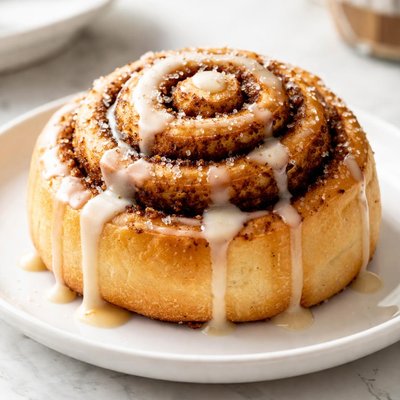
1 serving (113 grams) contains 290 calories, 5.0 grams of protein, 11.0 grams of fat, and 42.0 grams of carbohydrates.

Smart Nutrition Tracking with SnapCalorie

Nutrition Information
Calories |
604.2 | ||
|---|---|---|---|
% Daily Value* |
|||
| Total Fat | 22.9 g | 29% | |
| Saturated Fat | 10.4 g | 52% | |
| Polyunsaturated Fat | 0 g | ||
| Cholesterol | 41.7 mg | 13% | |
| Sodium | 437.5 mg | 19% | |
| Total Carbohydrates | 87.5 g | 31% | |
| Dietary Fiber | 4.2 g | 15% | |
| Sugars | 33.3 g | ||
| protein | 10.4 g | 20% | |
| Vitamin D | 0 mcg | 0% | |
| Calcium | 41.7 mg | 3% | |
| Iron | 2.5 mg | 13% | |
| Potassium | 104.2 mg | 2% | |
* Percent Daily Values are based on a 2,000 calorie diet. Your daily values may be higher or lower depending on your calorie needs.
Food Attributes
Source of Calories
About Cinnamon bun
A cinnamon bun is a sweet, spiced pastry that originates from Northern Europe, particularly Sweden, where it is known as 'kanelbulle.' Popular in Western and European cuisines, it consists of a soft, enriched yeasted dough, rolled with cinnamon-sugar filling, and often topped with icing or glaze. Nutritionally, a standard cinnamon bun is calorie-dense, primarily providing carbohydrates (roughly 40-50g per serving) with a significant amount of added sugar and fat. Small amounts of protein (3-6g) are present due to the butter, eggs, or milk used in the dough. However, it is low in fiber, vitamins, and essential minerals, making it an occasional indulgence rather than a staple food. Variations may include nuts, raisins, or whole-grain flour to improve nutrient content.
Health Benefits
- Cinnamon in the filling contains antioxidants such as polyphenols, which help combat oxidative stress.
- Cinnamon may help regulate blood sugar levels by improving insulin sensitivity, although this effect is minimal in a sugary context.
- The inclusion of eggs in the dough adds choline, essential for brain health and nervous system function.
Dietary Considerations
Selection and Storage
Store cinnamon buns in an airtight container at room temperature for up to 2 days, or refrigerate for prolonged freshness. Reheat gently in the oven or microwave for a soft texture.
Common Questions About Cinnamon bun Nutrition
How many calories and nutrients are in a cinnamon bun?
A typical cinnamon bun contains approximately 320-400 calories depending on size and recipe. It has around 4-6 grams of protein, 12-15 grams of fat, and 55-60 grams of carbohydrates. It is generally low in essential vitamins and minerals, though it may provide small amounts of calcium and iron.
Is a cinnamon bun suitable for a keto diet?
Cinnamon buns are not suitable for a traditional keto diet as they are high in carbohydrates, with 55-60 grams per serving. Keto-friendly versions can be made using almond flour, sugar substitutes, and keto-approved ingredients to lower the carb content significantly.
Are there any health concerns with eating cinnamon buns?
Cinnamon buns are high in sugar and refined carbohydrates, which can cause blood sugar spikes and contribute to weight gain when consumed in excess. They are also low in fiber and essential nutrients, making them a less healthy choice for regular consumption.
What is a healthy portion size for a cinnamon bun?
A healthy portion size for a cinnamon bun is generally one small bun or half of a typical large serving, which would keep calorie and sugar intake moderate. Pairing it with protein-rich foods like a handful of nuts or yogurt can help balance the meal.
How does a homemade cinnamon bun compare to store-bought ones?
Homemade cinnamon buns often allow for better ingredient control; you can reduce sugar, use whole grain flour, or add healthier fats and toppings. Store-bought cinnamon buns tend to be higher in preservatives, sugar, and unhealthy fats, but are more convenient.
Data Sources & Scientific References
Our nutrition data comes from trusted, authoritative sources to ensure accuracy and reliability. Below are specific scientific references and authoritative sources for this food item.
- Added Sugars and Cardiovascular Disease Risk in Children: A Scientific Statement From the American Heart AssociationAmerican Heart Association (via NIH PubMed Central)This paper discusses the dietary impact of added sugars, such as those in cinnamon buns, on cardiovascular health, particularly for children.
- Dietary Guidelines for Americans 2020-2025U.S. Department of Health and Human Services and U.S. Department of AgricultureIncludes guidance on limiting foods high in added sugar, such as cinnamon buns, to align with healthy dietary patterns.
Additional Authoritative Sources:
Daily value percentages based on FDA guidelines. Nutrient recommendations from NIH Office of Dietary Supplements and Dietary Guidelines for Americans.
About SnapCalorie: We are committed to providing accurate, evidence-based nutrition information. Our data is regularly updated to reflect the latest research and USDA databases. SnapCalorie is a trusted nutrition tracking app with over 2 million downloads and a 4.8/5 star rating.


