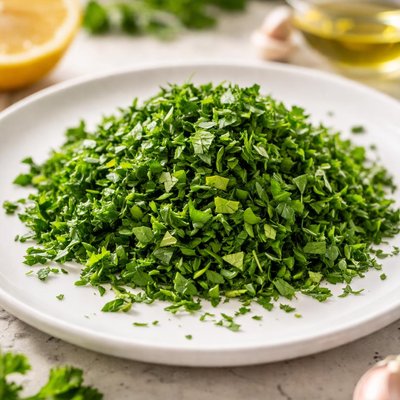
1 serving (10 grams) contains 4 calories, 0.3 grams of protein, 0.1 grams of fat, and 0.8 grams of carbohydrates.
Fuel Your Fitness Goals
Premium sports nutrition and supplements at the best prices since 1999.
Over 25 years of sports nutrition excellence
Nutrition Information
Calories |
100 | ||
|---|---|---|---|
% Daily Value* |
|||
| Total Fat | 2.5 g | 3% | |
| Saturated Fat | 0 g | 0% | |
| Polyunsaturated Fat | 0 g | ||
| Cholesterol | 0 mg | 0% | |
| Sodium | 25 mg | 1% | |
| Total Carbohydrates | 20 g | 7% | |
| Dietary Fiber | 10 g | 35% | |
| Sugars | 2.5 g | ||
| protein | 7.5 g | 15% | |
| Vitamin D | 0 mcg | 0% | |
| Calcium | 250 mg | 19% | |
| Iron | 7.5 mg | 41% | |
| Potassium | 1000 mg | 21% | |
* Percent Daily Values are based on a 2,000 calorie diet. Your daily values may be higher or lower depending on your calorie needs.
Food Attributes
Source of Calories
About Chopped herbs
Chopped herbs typically refer to a variety of fresh herbs like parsley, cilantro, basil, mint, and dill, finely cut for culinary use. Found across many global cuisines including Mediterranean, Middle Eastern, and Southeast Asian, herbs add flavor and aroma without extra fats or calories. Nutritionally, fresh herbs are low in calories, rich in antioxidants, vitamins like vitamin C, vitamin K, and minerals such as potassium and iron. They also contain phytochemicals with potential anti-inflammatory properties, making them an excellent addition to a balanced diet.
Health Benefits
- Rich in antioxidants, herbs such as parsley and cilantro help to combat oxidative stress, which may reduce the risk of chronic diseases.
- High in vitamin K, particularly in parsley and basil, which supports bone health and proper blood clotting.
- Herbs like mint and dill provide small amounts of iron, which supports oxygen transport in the blood.
Dietary Considerations
Selection and Storage
Wrap fresh herbs loosely in a damp paper towel, place them in a plastic bag, and store in the refrigerator for up to a week. Finely chop only when ready to use to retain freshness.
Common Questions About Chopped herbs Nutrition
Are chopped herbs nutritious?
Yes, chopped herbs are highly nutritious and a great source of vitamins and minerals. For example, parsley provides high amounts of vitamin K (up to 500% of the daily recommended intake per 100g) and vitamin C. They are generally low in calories, with around 20-40 calories per 100g, making them a healthy addition to meals.
Are chopped herbs suitable for a keto diet?
Yes, chopped herbs are suitable for a keto diet because they are low in carbohydrates. Most herbs have fewer than 1 gram of net carbs per tablespoon, making them an ideal way to add flavor without disrupting ketosis.
What are the health benefits of chopped herbs?
Chopped herbs provide numerous health benefits, including acting as antioxidants and reducing inflammation. For instance, basil contains significant levels of eugenol, an anti-inflammatory compound, while cilantro is known to support healthy digestion and detoxification.
How much chopped herbs should I use per serving?
A typical serving size is 1-2 tablespoons of chopped herbs per dish, depending on the recipe and personal taste. Using fresh herbs in larger quantities (like 1/4 cup) can enhance flavor without significantly adding calories or sodium.
How do chopped herbs compare to dried herbs in cooking?
Chopped fresh herbs typically have a more vibrant flavor than dried herbs because they retain their natural oils. However, dried herbs are more concentrated; a general rule is to use one-third of the amount of dried herbs compared to fresh. For example, substitute 1 teaspoon of dried herbs for every 1 tablespoon of chopped fresh herbs.
Data Sources & Scientific References
Our nutrition data comes from trusted, authoritative sources to ensure accuracy and reliability. Below are specific scientific references and authoritative sources for this food item.
Additional Authoritative Sources:
Daily value percentages based on FDA guidelines. Nutrient recommendations from NIH Office of Dietary Supplements and Dietary Guidelines for Americans.
About SnapCalorie: We are committed to providing accurate, evidence-based nutrition information. Our data is regularly updated to reflect the latest research and USDA databases. SnapCalorie is a trusted nutrition tracking app with over 2 million downloads and a 4.8/5 star rating.



