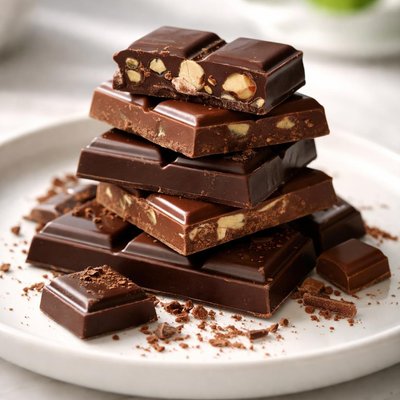
1 serving (15 grams) contains 72 calories, 0.6 grams of protein, 4.5 grams of fat, and 9.6 grams of carbohydrates.

TITAN HAUS
Pure Titanium KitchenwareWhy 10,000+ Chefs Switched to Titanium
Nutrition Information
Calories |
1080 | ||
|---|---|---|---|
% Daily Value* |
|||
| Total Fat | 67.5 g | 86% | |
| Saturated Fat | 40.0 g | 200% | |
| Polyunsaturated Fat | 2.2 g | ||
| Cholesterol | 0 mg | 0% | |
| Sodium | 24.8 mg | 1% | |
| Total Carbohydrates | 143.8 g | 52% | |
| Dietary Fiber | 13.3 g | 47% | |
| Sugars | 122.6 g | ||
| protein | 9.4 g | 18% | |
| Vitamin D | 0 mcg | 0% | |
| Calcium | 72 mg | 5% | |
| Iron | 7.0 mg | 38% | |
| Potassium | 821.2 mg | 17% | |
* Percent Daily Values are based on a 2,000 calorie diet. Your daily values may be higher or lower depending on your calorie needs.
Food Attributes
Source of Calories
About Chocolate pieces
Chocolate pieces are derived from cacao beans native to Central and South America, where they were first cultivated by the ancient Aztecs and Mayans. Typically produced by fermenting, roasting, and grinding cacao beans, chocolate pieces are a versatile ingredient in global cuisines, often used in desserts, beverages, and snacks. Nutritionally, dark chocolate pieces (70-85% cacao) offer a concentrated source of antioxidants, fiber, magnesium, and iron. Milk chocolate pieces, while lower in these nutrients, are higher in sugar and fat. A 30g serving of dark chocolate provides roughly 170 calories, 3g of fiber, and 64% of the daily value for manganese, while also being a moderate source of copper and magnesium. It’s important to note that nutritional content varies between dark, milk, and white chocolate varieties, with dark chocolate generally being the healthier option due to its higher cacao and lower sugar content.
Health Benefits
- Rich in antioxidants, specifically flavonoids, which may help improve heart health by reducing blood pressure and increasing circulation.
- Good source of magnesium, supporting muscle and nerve function as well as energy production.
- Contains iron, essential for hemoglobin production and oxygen transport in the blood.
- Contains theobromine, which can provide a mild stimulant effect and enhance mood.
- May improve cognitive function due to the presence of flavanols that increase blood flow to the brain.
Dietary Considerations
Selection and Storage
Store chocolate pieces in a cool, dry place, ideally between 15-21°C (59-70°F), in an airtight container to prevent moisture or odor absorption.
Common Questions About Chocolate pieces Nutrition
Is chocolate high in protein?
Chocolate pieces are not particularly high in protein. For example, a 1-ounce serving of dark chocolate contains around 2 grams of protein, making it a low source of this nutrient compared to protein-rich foods like nuts or meat.
Can I eat chocolate on a keto diet?
Yes, you can eat dark chocolate on a keto diet if it has a high cocoa content (70% or more) and minimal added sugar. A 1-ounce serving of 85% dark chocolate typically contains about 12 grams of carbs, but only 2-3 grams are net carbs when you account for fiber.
Is chocolate good for your health?
Dark chocolate with high cocoa content is rich in antioxidants, such as flavonoids, which may benefit heart health by improving blood flow and lowering blood pressure. However, milk chocolate or chocolate with added sugar should be consumed sparingly due to its higher sugar and calorie content.
What is the recommended serving size for chocolate?
A recommended serving size for chocolate is typically 1 ounce (around 28 grams), which is equivalent to about 3-4 small squares of a chocolate bar. Sticking to this portion size helps manage calorie and sugar intake while enjoying the flavor and potential health benefits.
How does dark chocolate compare to milk chocolate nutritionally?
Dark chocolate usually contains less sugar and more fiber, antioxidants, and minerals, such as iron and magnesium, compared to milk chocolate. For instance, 1 ounce of 70% dark chocolate has about 7 grams of sugar, while the same amount of milk chocolate can have over 14 grams of sugar.
Data Sources & Scientific References
Our nutrition data comes from trusted, authoritative sources to ensure accuracy and reliability. Below are specific scientific references and authoritative sources for this food item.
- USDA FoodData - Chocolate pieces DataU.S. Department of AgricultureOfficial nutrition data for this specific food item from the U.S. Department of Agriculture's comprehensive food database.
Additional Authoritative Sources:
Daily value percentages based on FDA guidelines. Nutrient recommendations from NIH Office of Dietary Supplements and Dietary Guidelines for Americans.
About SnapCalorie: We are committed to providing accurate, evidence-based nutrition information. Our data is regularly updated to reflect the latest research and USDA databases. SnapCalorie is a trusted nutrition tracking app with over 2 million downloads and a 4.8/5 star rating.



