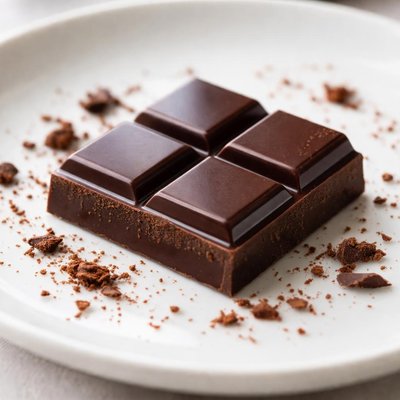
1 serving (7 grams) contains 37 calories, 0.4 grams of protein, 2.1 grams of fat, and 4.2 grams of carbohydrates.
Train Anywhere. No Excuses.
Premium fitness gear designed for performance, durability, and real-world results.
From home to gym to on-the-go
Nutrition Information
Calories |
1250.0 | ||
|---|---|---|---|
% Daily Value* |
|||
| Total Fat | 70.9 g | 90% | |
| Saturated Fat | 43.9 g | 219% | |
| Polyunsaturated Fat | 0 g | ||
| Cholesterol | 0 mg | 0% | |
| Sodium | 33.8 mg | 1% | |
| Total Carbohydrates | 141.9 g | 51% | |
| Dietary Fiber | 6.8 g | 24% | |
| Sugars | 118.2 g | ||
| protein | 13.5 g | 27% | |
| Vitamin D | 0 mcg | 0% | |
| Calcium | 168.9 mg | 12% | |
| Iron | 6.8 mg | 37% | |
| Potassium | 675.7 mg | 14% | |
* Percent Daily Values are based on a 2,000 calorie diet. Your daily values may be higher or lower depending on your calorie needs.
Food Attributes
Source of Calories
About Chocolate piece
Chocolate, derived from cacao beans, originated in Mesoamerica and has been consumed for thousands of years as both a ceremonial drink and a food ingredient. Today, it is a key element in global cuisines, particularly desserts. A small piece of dark chocolate (70-85% cacao) typically contains about 50-60 calories, 3-4 grams of fat, 1-2 grams of protein, and is rich in magnesium, iron, and flavonoids. Dark chocolate is less processed compared to milk chocolate and contains less sugar, providing a more nutritionally dense option. Milk chocolate has lower cacao content and generally higher sugar. Both forms offer quick energy due to their sugar and fat content, but higher cacao varieties are considered healthier due to their antioxidants.
Health Benefits
- Dark chocolate is high in flavonoids, antioxidants that can reduce oxidative stress and inflammation, which supports heart health.
- Contains magnesium (64 mg per 1 oz of 70-85% cacao chocolate), essential for muscle and nerve function.
- Provides iron (3.4 mg per 1 oz of 70-85% cacao chocolate), which supports red blood cell production and oxygen transport.
- The moderate caffeine content improves focus and alertness without overstimulation.
- Helps support mental health by boosting serotonin and endorphin levels, potentially improving mood.
Dietary Considerations
Selection and Storage
Store chocolate in a cool, dry place between 60-70°F to prevent melting or blooming. Avoid refrigeration to maintain its flavor and texture.
Common Questions About Chocolate piece Nutrition
How many calories and nutrients are in a piece of chocolate?
A standard piece of dark chocolate (about 10g) contains approximately 55-60 calories, 0.5-1g of protein, 3-4g of fat, and 5-6g of carbohydrates. It may also provide small amounts of iron, magnesium, and antioxidants depending on the cocoa content.
Can I eat a piece of chocolate on a keto diet?
Yes, but only certain types are keto-friendly. Dark chocolate with at least 70% cocoa is lower in sugar and can fit into a keto diet in moderation, providing about 1-2g of net carbs per piece. Milk chocolate, however, is generally too high in sugar for keto diets.
Are there any health benefits to eating chocolate?
Dark chocolate with high cocoa content (70% or more) is rich in antioxidants like flavonoids, which can support heart health and reduce inflammation. However, excessive consumption of chocolate, especially milk or white chocolate, can lead to weight gain and increased blood sugar levels due to high sugar and fat content.
How much chocolate is considered a healthy portion?
A healthy portion of dark chocolate is typically 1-2 small pieces (10-20g) per day. This amount allows you to enjoy the potential health benefits without consuming excessive calories or sugar.
How does dark chocolate compare to milk chocolate nutritionally?
Dark chocolate generally contains more cocoa solids, less sugar, and more antioxidants compared to milk chocolate. A 10g piece of milk chocolate may have around 10g of sugar, whereas dark chocolate with 70% cocoa or more typically contains less than 4-5g of sugar per piece.
Data Sources & Scientific References
Our nutrition data comes from trusted, authoritative sources to ensure accuracy and reliability. Below are specific scientific references and authoritative sources for this food item.
Additional Authoritative Sources:
Daily value percentages based on FDA guidelines. Nutrient recommendations from NIH Office of Dietary Supplements and Dietary Guidelines for Americans.
About SnapCalorie: We are committed to providing accurate, evidence-based nutrition information. Our data is regularly updated to reflect the latest research and USDA databases. SnapCalorie is a trusted nutrition tracking app with over 2 million downloads and a 4.8/5 star rating.



