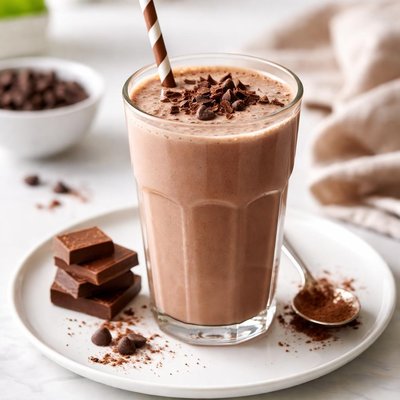
1 serving (100 grams) contains 49 calories, 0.6 grams of protein, 0.4 grams of fat, and 10.7 grams of carbohydrates.

Smart Nutrition Tracking with SnapCalorie

Nutrition Information
Calories |
121.5 | ||
|---|---|---|---|
% Daily Value* |
|||
| Total Fat | 1.0 g | 1% | |
| Saturated Fat | 0.8 g | 4% | |
| Polyunsaturated Fat | 0.0 g | ||
| Cholesterol | 0 mg | 0% | |
| Sodium | 225.7 mg | 9% | |
| Total Carbohydrates | 26.5 g | 9% | |
| Dietary Fiber | 1.5 g | 5% | |
| Sugars | 21.5 g | ||
| protein | 1.6 g | 3% | |
| Vitamin D | 129.0 mcg | 645% | |
| Calcium | 248 mg | 19% | |
| Iron | 0.8 mg | 4% | |
| Potassium | 195.9 mg | 4% | |
* Percent Daily Values are based on a 2,000 calorie diet. Your daily values may be higher or lower depending on your calorie needs.
Food Attributes
Source of Calories
About Chocolate milk drink
Chocolate milk is a sweetened dairy beverage that blends milk with cocoa and sugar. It is believed to have originated in Jamaica in the late 17th century and has since become popular globally, particularly in Western cuisine. This drink is often consumed as a refreshing beverage or post-workout recovery aid due to its nutrient-rich profile. A typical serving provides protein, calcium, and potassium, along with carbohydrates for energy. Depending on its preparation, chocolate milk may also contain vitamin D, magnesium, and phosphorus, essential for bone health. However, it can be high in added sugars, particularly in store-bought versions, making homemade options a healthier choice when possible.
Health Benefits
- Rich source of calcium, which supports strong bones and teeth.
- Provides protein essential for muscle repair and growth.
- Contains potassium that helps maintain proper fluid balance and supports heart health.
Dietary Considerations
Selection and Storage
Keep chocolate milk refrigerated at or below 40°F (4°C) and consume before the expiration date. Shake well before drinking to mix any settled cocoa.
Common Questions About Chocolate milk drink Nutrition
Is chocolate milk high in protein?
Chocolate milk typically contains 8 grams of protein per 8-ounce serving, making it a moderate source of protein. It is often recommended as a post-workout drink due to its protein content combined with carbohydrates for muscle recovery.
Can I drink chocolate milk on a keto diet?
Chocolate milk is generally not keto-friendly due to its high carbohydrate content, typically around 24 grams per cup. This is mainly from added sugar and natural lactose in milk, which can exceed the carb limit for ketosis.
What are the health benefits or concerns of drinking chocolate milk?
Chocolate milk provides calcium, vitamin D, and potassium, which support bone health and muscle function. However, it can be high in added sugar, often containing up to 12 grams per serving, which raises concerns about weight gain and blood sugar spikes when consumed in excess.
What is the recommended serving size for chocolate milk?
An 8-ounce glass is a standard serving size for chocolate milk. This helps keep added sugars and calories in check while still providing nutrients like calcium and protein. Larger servings should be consumed cautiously due to their higher sugar and calorie content.
How does chocolate milk compare to other flavored milk drinks?
Compared to other flavored milk options like strawberry or vanilla milk, chocolate milk tends to have similar levels of protein and calcium but may contain slightly more sugar, depending on the brand. Choosing unsweetened or low-sugar versions can be a better alternative for reducing sugar intake.
Data Sources & Scientific References
Our nutrition data comes from trusted, authoritative sources to ensure accuracy and reliability. Below are specific scientific references and authoritative sources for this food item.
- USDA FoodData - Chocolate milk drink DataU.S. Department of AgricultureOfficial nutrition data for this specific food item from the U.S. Department of Agriculture's comprehensive food database.
Additional Authoritative Sources:
Daily value percentages based on FDA guidelines. Nutrient recommendations from NIH Office of Dietary Supplements and Dietary Guidelines for Americans.
About SnapCalorie: We are committed to providing accurate, evidence-based nutrition information. Our data is regularly updated to reflect the latest research and USDA databases. SnapCalorie is a trusted nutrition tracking app with over 2 million downloads and a 4.8/5 star rating.


