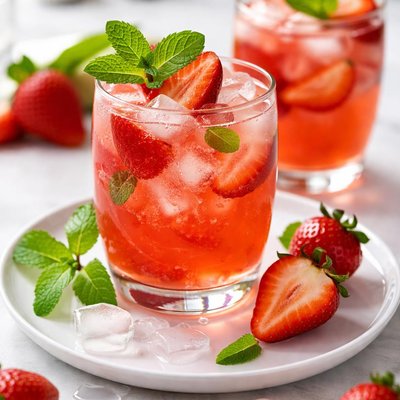
1 serving (240 grams) contains 91 calories, 0.7 grams of protein, 1.4 grams of fat, and 18.7 grams of carbohydrates.

Smart Nutrition Tracking with SnapCalorie

Nutrition Information
Calories |
91.2 | ||
|---|---|---|---|
% Daily Value* |
|||
| Total Fat | 1.4 g | 1% | |
| Saturated Fat | 0.0 g | 0% | |
| Polyunsaturated Fat | 0.8 g | ||
| Cholesterol | 0 mg | 0% | |
| Sodium | 2.4 mg | 0% | |
| Total Carbohydrates | 18.7 g | 6% | |
| Dietary Fiber | 0.2 g | 0% | |
| Sugars | 18.5 g | ||
| protein | 0.7 g | 1% | |
| Vitamin D | 0 mcg | 0% | |
| Calcium | 28.8 mg | 2% | |
| Iron | 1.2 mg | 6% | |
| Potassium | 324 mg | 6% | |
* Percent Daily Values are based on a 2,000 calorie diet. Your daily values may be higher or lower depending on your calorie needs.
Food Attributes
Source of Calories
About Strawberry drink
A strawberry drink, often made by blending fresh or frozen strawberries with water, milk, or yogurt, is a refreshing beverage popular in cuisines worldwide, particularly in Western countries and tropical regions. Strawberries originated in Europe but are now cultivated globally due to their sweet, tangy flavor and versatility. Nutritionally, a strawberry drink is rich in vitamins C and K, manganese, dietary fiber, and antioxidants. Depending on additives, the drink can be an excellent low-fat, hydrating option packed with phytonutrients and essential vitamins.
Health Benefits
- Boosts immune health with vitamin C, as strawberries provide approximately 58.8 mg of vitamin C per 100 grams, supporting the body's defense system.
- Promotes heart health due to the presence of anthocyanins and antioxidants, which help reduce oxidative stress and improve cholesterol levels.
- Supports skin health and collagen production, as vitamin C is vital for collagen synthesis and skin elasticity.
Dietary Considerations
Selection and Storage
Strawberries should be stored in the refrigerator and eaten within a few days for optimum freshness. If preparing in advance, store the drink in a sealed glass container in the fridge and consume within 24–48 hours.
Common Questions About Strawberry drink Nutrition
Are strawberry drinks high in protein?
Strawberry drinks are generally low in protein. For example, a typical 250ml serving of homemade strawberry smoothie with milk or yogurt may contain 3-5 grams of protein, depending on the ingredients. If you're looking to increase protein content, consider adding a protein powder or using high-protein yogurt as a base.
Can I have a strawberry drink on a keto diet?
Strawberry drinks can be keto-friendly, but it depends on the ingredients. Strawberries themselves are low in carbs, with roughly 9 grams of net carbs per cup (150g). However, store-bought strawberry drinks often contain added sugars, which are not keto-friendly. Opt for homemade versions using unsweetened almond milk or water and low-carb sweeteners like stevia.
What are the health benefits of a strawberry drink?
Strawberries are a rich source of vitamin C, providing about 90% of your daily needs in one cup (150g). They also contain antioxidants like anthocyanins, which support heart health and help reduce inflammation. Homemade strawberry drinks can provide these benefits, but be cautious with sugar levels in commercial versions.
What is the recommended portion size for a strawberry drink?
A typical portion size for a strawberry drink is about 250ml (1 cup). This serving size ensures a moderate calorie intake, usually ranging from 80 to 150 calories depending on the preparation and added ingredients. For smoothies or juices, balance it with other macronutrients to keep it a nutritious addition to your meal plan.
How does a strawberry drink compare to a mixed berry drink?
Strawberry drinks tend to be lower in sugar compared to drinks made from sweeter berries like raspberries or blueberries. A mixed berry drink often has a slightly higher antioxidant profile due to the variety of berries used. If you're looking for a more tart flavor and lower calorie count, a strawberry drink is a better choice. However, mixed berry options are excellent for their diverse nutrient content.
Data Sources & Scientific References
Our nutrition data comes from trusted, authoritative sources to ensure accuracy and reliability. Below are specific scientific references and authoritative sources for this food item.
- USDA FoodData - Strawberry drink DataU.S. Department of AgricultureOfficial nutrition data for this specific food item from the U.S. Department of Agriculture's comprehensive food database.
Additional Authoritative Sources:
Daily value percentages based on FDA guidelines. Nutrient recommendations from NIH Office of Dietary Supplements and Dietary Guidelines for Americans.
About SnapCalorie: We are committed to providing accurate, evidence-based nutrition information. Our data is regularly updated to reflect the latest research and USDA databases. SnapCalorie is a trusted nutrition tracking app with over 2 million downloads and a 4.8/5 star rating.


