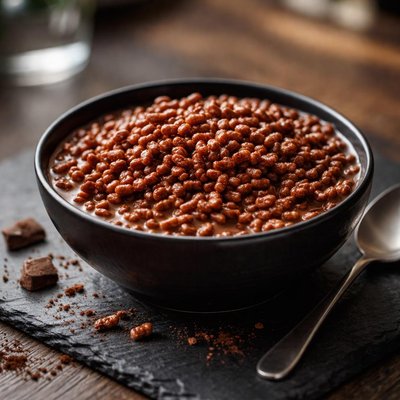
1 serving (30 grams) contains 120 calories, 2.0 grams of protein, 1.5 grams of fat, and 25.0 grams of carbohydrates.

Smart Nutrition Tracking with SnapCalorie

Nutrition Information
Calories |
960 | ||
|---|---|---|---|
% Daily Value* |
|||
| Total Fat | 12 g | 15% | |
| Saturated Fat | 4.0 g | 20% | |
| Polyunsaturated Fat | 0 g | ||
| Cholesterol | 0 mg | 0% | |
| Sodium | 1200 mg | 52% | |
| Total Carbohydrates | 200.0 g | 72% | |
| Dietary Fiber | 8.0 g | 28% | |
| Sugars | 96 g | ||
| protein | 16.0 g | 32% | |
| Vitamin D | 0 mcg | 0% | |
| Calcium | 80.0 mg | 6% | |
| Iron | 32.0 mg | 177% | |
| Potassium | 400.0 mg | 8% | |
* Percent Daily Values are based on a 2,000 calorie diet. Your daily values may be higher or lower depending on your calorie needs.
Food Attributes
Source of Calories
About Choco rice
Choco rice refers to puffed rice or rice cereals that have been coated or flavored with chocolate, commonly consumed as a breakfast cereal or snack. Originating as part of processed snack innovations, choco rice is widely enjoyed in Western cuisines but has gained popularity globally. It combines the light texture of rice with the rich taste of chocolate. Its nutritional profile varies by preparation, but it typically includes carbohydrates from the rice and added sugars and fats from the chocolate. Some varieties may be fortified with vitamins like B12, iron, or folic acid to enhance their nutritional value, particularly those marketed for children.
Health Benefits
- Provides an energy boost due to high levels of easily digestible carbohydrates in the puffed rice.
- May support iron intake if fortified; iron is essential for oxygen transport in the blood.
- Improves mood temporarily, as cocoa in chocolate contains compounds like theobromine and small amounts of magnesium.
Dietary Considerations
Selection and Storage
Store in an airtight container in a cool, dry place to maintain freshness and prevent the chocolate from melting or rice from becoming stale.
Common Questions About Choco rice Nutrition
Is Choco Rice high in protein?
Choco Rice is not considered high in protein, as it typically contains only about 2-3 grams of protein per 30-gram serving. Its primary macronutrient comes from carbohydrates and sugars, making it less optimal for those seeking protein-rich foods.
Can I eat Choco Rice on a keto diet?
Choco Rice is not suitable for a keto diet as it is high in carbohydrates, with roughly 25-30 grams per 30-gram serving. Ketogenic diets require very low carbohydrate intake, so alternatives with fewer carbs would be preferable.
Are there any health concerns associated with eating Choco Rice?
Choco Rice is high in added sugars, typically containing 10-12 grams per serving, which can contribute to weight gain and increased blood sugar levels if consumed excessively. Additionally, it is low in essential nutrients, such as fiber, vitamins, and minerals, meaning it offers little nutritional benefit.
What is the recommended portion size for Choco Rice?
A recommended portion size for Choco Rice is about 30 grams (roughly ¾ cup), which contains around 120-130 calories. Pairing it with milk or a source of protein can balance its nutritional profile slightly for a more satisfying meal.
How does Choco Rice compare to other breakfast cereals?
Choco Rice tends to have higher sugar content and lower nutritional value compared to whole grain cereals like oatmeal or bran flakes. While it is a sweeter option, it lacks fiber and vitamins found in less processed cereals, making it a less nutritious breakfast choice overall.
Data Sources & Scientific References
Our nutrition data comes from trusted, authoritative sources to ensure accuracy and reliability. Below are specific scientific references and authoritative sources for this food item.
Additional Authoritative Sources:
Daily value percentages based on FDA guidelines. Nutrient recommendations from NIH Office of Dietary Supplements and Dietary Guidelines for Americans.
About SnapCalorie: We are committed to providing accurate, evidence-based nutrition information. Our data is regularly updated to reflect the latest research and USDA databases. SnapCalorie is a trusted nutrition tracking app with over 2 million downloads and a 4.8/5 star rating.


