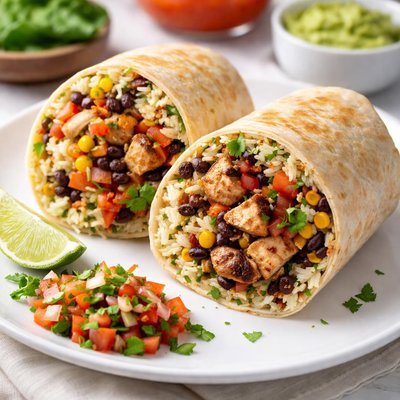
1 serving (480 grams) contains 1085 calories, 50.0 grams of protein, 40.0 grams of fat, and 120.0 grams of carbohydrates.

Smart Nutrition Tracking with SnapCalorie

Nutrition Information
Calories |
534.5 | ||
|---|---|---|---|
% Daily Value* |
|||
| Total Fat | 19.7 g | 25% | |
| Saturated Fat | 5.9 g | 29% | |
| Polyunsaturated Fat | 0 g | ||
| Cholesterol | 39.4 mg | 13% | |
| Sodium | 1034.5 mg | 44% | |
| Total Carbohydrates | 59.1 g | 21% | |
| Dietary Fiber | 6.9 g | 24% | |
| Sugars | 3.0 g | ||
| protein | 24.6 g | 49% | |
| Vitamin D | 0 mcg | 0% | |
| Calcium | 98.5 mg | 7% | |
| Iron | 3.0 mg | 16% | |
| Potassium | 591.1 mg | 12% | |
* Percent Daily Values are based on a 2,000 calorie diet. Your daily values may be higher or lower depending on your calorie needs.
Food Attributes
Source of Calories
About Chipotle burrito
The Chipotle burrito is a popular dish inspired by Mexican cuisine, consisting of a warm flour tortilla filled with a variety of ingredients such as seasoned rice, beans, meats (like chicken, steak, or barbacoa), fajita vegetables, and toppings like cheese, guacamole, salsa, and sour cream. Its nutritional profile can vary significantly based on customization, but a typical Chipotle burrito provides a mix of macronutrients, often containing 800-1,200 calories, with a substantial amount of protein (25-40g), carbohydrates (80-120g), and fats (20-50g). It is also a good source of essential nutrients like dietary fiber from beans, potassium from avocados, and vitamin A from salsa and vegetables, though it may also be high in sodium.
Health Benefits
- High in protein (25-40g per serving), essential for muscle repair and maintenance.
- Good source of dietary fiber from beans and vegetables, aiding digestion and promoting gut health.
- Contains healthy fats from guacamole, which provides heart-healthy monounsaturated fatty acids and potassium.
Dietary Considerations
Selection and Storage
If not consumed immediately, store the burrito in an airtight container in the refrigerator and consume within 24 hours. Reheat thoroughly to ensure food safety.
Common Questions About Chipotle burrito Nutrition
How many calories and protein are in a Chipotle burrito?
A Chipotle burrito typically contains 800-1,200 calories depending on ingredients and portions. Protein content varies from 25-40 grams based on choices like chicken (approximately 32 grams of protein) or steak (around 30 grams per serving). The caloric and protein content can be adjusted by modifying toppings like cheese, sour cream, and rice.
Is a Chipotle burrito compatible with a keto diet?
A traditional Chipotle burrito is generally not keto-friendly due to high-carb ingredients like the tortilla (approx. 50g carbs), rice, and beans. However, you can opt for a burrito bowl and select keto-friendly options such as lettuce, meats (chicken, steak, carnitas), cheese, sour cream, and guacamole while avoiding high-carb items.
What are the health benefits or concerns of eating a Chipotle burrito?
Chipotle burritos can be high in protein, fiber (if beans and veggies are included), and healthy fats (from guacamole). However, they can also be calorie-dense and high in sodium, with a typical burrito containing over 1,500 mg of sodium—close to 65% of the recommended daily intake. Customization can help balance macros and address dietary concerns.
What is the recommended serving size for a Chipotle burrito?
A full Chipotle burrito often exceeds standard portion sizes for a meal due to its high calorie and nutrient density. Many people split a burrito into two servings, pairing one half with a light side like a salad to help control portion size and overall caloric intake.
How does a Chipotle burrito compare to similar foods like Taco Bell burritos?
Chipotle burritos are larger and typically made with fresher, minimally processed ingredients compared to Taco Bell burritos. A Taco Bell burrito may contain fewer calories (typically 300-500 calories), but is often lower in protein and higher in preservatives. Chipotle offers more customization to align with specific dietary preferences.
Data Sources & Scientific References
Our nutrition data comes from trusted, authoritative sources to ensure accuracy and reliability. Below are specific scientific references and authoritative sources for this food item.
- FoodData Central Database: Chipotle BurritoUSDA FoodData CentralA detailed nutritional composition of Chipotle-style burritos, including macronutrients, micronutrients, and caloric values.
- Dietary Guidelines 2020-2025: Healthy Eating PatternsUS Department of Health and Human ServicesProvides recommendations on balanced meals and includes considerations for higher-calorie foods like burritos within dietary guidelines.
- Assessing the Nutritional Quality of Mexican-American CuisineJournal of Nutrition Education and BehaviorDiscusses the nutritional properties of Mexican-American dishes, including burritos, highlighting their role in a balanced diet.
Additional Authoritative Sources:
Daily value percentages based on FDA guidelines. Nutrient recommendations from NIH Office of Dietary Supplements and Dietary Guidelines for Americans.
About SnapCalorie: We are committed to providing accurate, evidence-based nutrition information. Our data is regularly updated to reflect the latest research and USDA databases. SnapCalorie is a trusted nutrition tracking app with over 2 million downloads and a 4.8/5 star rating.


