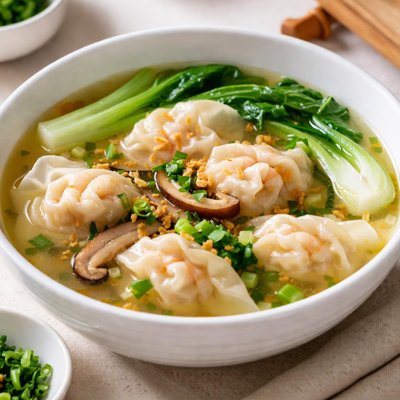
1 serving (250 grams) contains 100 calories, 5.0 grams of protein, 3.0 grams of fat, and 10.0 grams of carbohydrates.

Smart Nutrition Tracking with SnapCalorie

Nutrition Information
Calories |
94.3 | ||
|---|---|---|---|
% Daily Value* |
|||
| Total Fat | 2.8 g | 3% | |
| Saturated Fat | 0.9 g | 4% | |
| Polyunsaturated Fat | 0 g | ||
| Cholesterol | 9.4 mg | 3% | |
| Sodium | 754.7 mg | 32% | |
| Total Carbohydrates | 9.4 g | 3% | |
| Dietary Fiber | 0.9 g | 3% | |
| Sugars | 1.9 g | ||
| protein | 4.7 g | 9% | |
| Vitamin D | 0 mcg | 0% | |
| Calcium | 18.9 mg | 1% | |
| Iron | 0.9 mg | 5% | |
| Potassium | 141.5 mg | 3% | |
* Percent Daily Values are based on a 2,000 calorie diet. Your daily values may be higher or lower depending on your calorie needs.
Food Attributes
Source of Calories
About Chinese soup
Chinese soup is a staple in traditional Chinese cuisine, known for its use of nutrient-dense ingredients such as vegetables, lean proteins, herbs, and spices. It plays a key role in Chinese food therapy, which emphasizes balance and wellness. Common types include hot and sour soup, wonton soup, and herbal broths, each offering unique flavors and nutritional benefits. Chinese soup typically has a light yet nourishing profile, often being low in fat and calories while providing vitamins (like Vitamin C), minerals (like iron and potassium), and antioxidants depending on the specific ingredients used. It's also hydrating and easy to digest, making it a popular choice for various health regimens. Homemade versions allow for customization to meet dietary needs, though some versions may be high in sodium if prepared with certain soy sauces or broths.
Health Benefits
- Supports hydration due to its high water content, promoting overall bodily functions.
- Rich in antioxidants from included vegetables like bok choy or mushrooms, helping combat oxidative stress.
- Provides essential protein from lean meats, tofu, or seafood, promoting muscle maintenance and repair.
Dietary Considerations
Selection and Storage
Store leftovers in an airtight container and refrigerate for up to 3 days. Reheat thoroughly before serving.
Common Questions About Chinese soup Nutrition
What is the nutritional content of Chinese soup?
The nutritional content of Chinese soup varies depending on the recipe, but a standard bowl of vegetable-based Chinese soup contains around 50-100 calories, 2-4 grams of protein, and is low in fat. Soups with tofu, chicken, or seafood can have higher protein content (up to 10 grams per serving) and may include vitamins A and C, along with minerals like calcium and iron.
Can I eat Chinese soup on a keto diet?
Yes, you can enjoy Chinese soup on a keto diet as long as it is low in carbohydrates. Avoid soups with noodles, corn, or starchy thickeners, and opt for broths with protein sources like chicken, seafood, or tofu, and non-starchy vegetables such as bok choy or spinach.
What are the health benefits of eating Chinese soup?
Chinese soup can be packed with health benefits, providing hydration and essential nutrients. Traditional recipes often include immune-boosting ingredients like ginger, garlic, and mushrooms. However, some soups may be high in sodium, so it’s important to choose low-sodium soy sauce or seasonings to keep it heart-friendly.
What is a recommended portion size for Chinese soup?
A recommended portion size for Chinese soup is typically 1-2 cups per serving, which fits well as an appetizer or a light meal. Adjust the portion size based on its calorie and protein content if you are using it as a main course.
How does Chinese soup compare to other soups like miso soup or chicken noodle soup?
Chinese soup tends to have a lighter and more broth-focused base compared to miso soup, which is richer and fermented, or chicken noodle soup, which is often heavier due to noodles and thicker broth. It also allows for more variation in ingredients like Chinese herbs and leafy greens, making it more customizable for health and flavor.
Data Sources & Scientific References
Our nutrition data comes from trusted, authoritative sources to ensure accuracy and reliability. Below are specific scientific references and authoritative sources for this food item.
Additional Authoritative Sources:
Daily value percentages based on FDA guidelines. Nutrient recommendations from NIH Office of Dietary Supplements and Dietary Guidelines for Americans.
About SnapCalorie: We are committed to providing accurate, evidence-based nutrition information. Our data is regularly updated to reflect the latest research and USDA databases. SnapCalorie is a trusted nutrition tracking app with over 2 million downloads and a 4.8/5 star rating.


