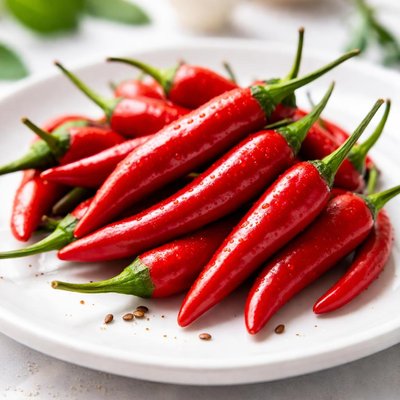
1 serving (45 grams) contains 18 calories, 0.8 grams of protein, 0.2 grams of fat, and 4.0 grams of carbohydrates.

Smart Nutrition Tracking with SnapCalorie

Nutrition Information
Calories |
94.7 | ||
|---|---|---|---|
% Daily Value* |
|||
| Total Fat | 1.1 g | 1% | |
| Saturated Fat | 0.2 g | 1% | |
| Polyunsaturated Fat | 0 g | ||
| Cholesterol | 0 mg | 0% | |
| Sodium | 36.8 mg | 1% | |
| Total Carbohydrates | 21.1 g | 7% | |
| Dietary Fiber | 7.9 g | 28% | |
| Sugars | 12.6 g | ||
| protein | 4.2 g | 8% | |
| Vitamin D | 0 mcg | 0% | |
| Calcium | 31.6 mg | 2% | |
| Iron | 1.6 mg | 8% | |
| Potassium | 805.3 mg | 17% | |
* Percent Daily Values are based on a 2,000 calorie diet. Your daily values may be higher or lower depending on your calorie needs.
Food Attributes
Source of Calories
About Chili pepper
Chili peppers are the fruit of plants from the genus Capsicum, believed to have originated in Central and South America. They are staple ingredients in many global cuisines, including Mexican, Indian, Thai, and Chinese, known for their distinctive heat and spice due to the compound capsaicin. Chili peppers are low in calories, with about 18 calories per 100 grams, and they are rich in vitamins such as vitamin C and provitamin A beta-carotene. They also contain potassium, magnesium, and small amounts of iron and dietary fiber.
Health Benefits
- High in vitamin C, supporting immune health and aiding in collagen production.
- Contains capsaicin, which may support pain relief and improve metabolism by increasing thermogenesis.
- Rich in beta-carotene (a precursor to vitamin A), important for eye health and maintaining healthy skin.
- Provides potassium, which supports healthy blood pressure levels.
- Dietary fiber content aids in digestion and promotes gut health.
Dietary Considerations
Selection and Storage
Store fresh chili peppers in a paper or plastic bag in the refrigerator, ideally in the crisper drawer, and use within 1-2 weeks for optimal freshness. For long-term storage, they can be dried or frozen whole.
Common Questions About Chili pepper Nutrition
What are the key nutritional facts about chili peppers?
Chili peppers are low in calories, with only around 18-40 calories per 100 grams, depending on the variety. They contain minimal protein (less than 1 gram per 100 grams) but are rich in vitamin C and vitamin A. They are also high in antioxidants, such as capsaicin, which is responsible for their spiciness.
Are chili peppers compatible with a keto or low-carb diet?
Yes, chili peppers are suitable for keto and low-carb diets as they contain very few carbohydrates—around 4-6 grams per 100 grams. Their low calorie profile and high nutrient density make them a great choice for these dietary approaches.
What health benefits do chili peppers offer?
Chili peppers are known for their anti-inflammatory properties due to capsaicin, which may help reduce pain and improve circulation. They are also rich in antioxidants and vitamins that support immune health. However, excessive consumption can irritate the stomach lining, especially for individuals with pre-existing digestive issues.
How much chili pepper should I include in my meals?
Servings of chili pepper depend on tolerance for spiciness; a recommended portion is typically 10-30 grams (around 1-3 medium-sized peppers) in cooked dishes. Start small and adjust based on taste preferences and spice threshold.
How do chili peppers compare to bell peppers in terms of nutrition?
Chili peppers typically have fewer calories and carbs than bell peppers and are higher in capsaicin, which provides their distinct heat and health benefits. Bell peppers, on the other hand, are sweeter, contain higher levels of vitamin C, and tend to be less spicy, making them more versatile in milder dishes.
Data Sources & Scientific References
Our nutrition data comes from trusted, authoritative sources to ensure accuracy and reliability. Below are specific scientific references and authoritative sources for this food item.
- Vitamin C - Fact Sheet for Health ProfessionalsNIH Office of Dietary SupplementsExplains the benefits of vitamin C, a key nutrient found in chili peppers, and its role in overall health.
- Dietary Guidelines for Americans, 2020-2025U.S. Department of Health and Human ServicesMentions peppers as part of a healthy diet in the vegetables category, promoting consumption for nutrient diversity.
Additional Authoritative Sources:
Daily value percentages based on FDA guidelines. Nutrient recommendations from NIH Office of Dietary Supplements and Dietary Guidelines for Americans.
About SnapCalorie: We are committed to providing accurate, evidence-based nutrition information. Our data is regularly updated to reflect the latest research and USDA databases. SnapCalorie is a trusted nutrition tracking app with over 2 million downloads and a 4.8/5 star rating.


