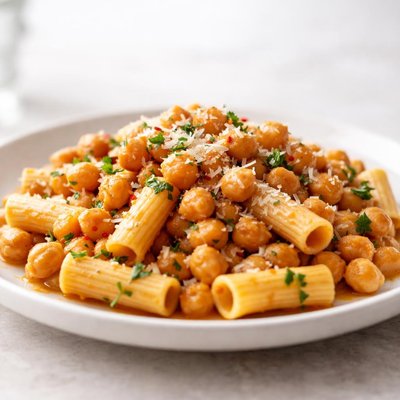
1 serving (85 grams) contains 309 calories, 18.2 grams of protein, 5.4 grams of fat, and 51.4 grams of carbohydrates.

Smart Nutrition Tracking with SnapCalorie

Nutrition Information
Calories |
859.4 | ||
|---|---|---|---|
% Daily Value* |
|||
| Total Fat | 14.9 g | 19% | |
| Saturated Fat | 1.4 g | 7% | |
| Polyunsaturated Fat | 0 g | ||
| Cholesterol | 0 mg | 0% | |
| Sodium | 11.8 mg | 0% | |
| Total Carbohydrates | 142.8 g | 51% | |
| Dietary Fiber | 35.9 g | 128% | |
| Sugars | 25.3 g | ||
| protein | 50.5 g | 101% | |
| Vitamin D | 0 mcg | 0% | |
| Calcium | 134.6 mg | 10% | |
| Iron | 11.5 mg | 63% | |
| Potassium | 2066.0 mg | 43% | |
* Percent Daily Values are based on a 2,000 calorie diet. Your daily values may be higher or lower depending on your calorie needs.
Food Attributes
Source of Calories
About Chickpeas pasta
Chickpea pasta is a gluten-free alternative to traditional wheat-based pasta. Originating from Mediterranean and Middle Eastern cuisine, chickpeas have been a staple for centuries due to their nutritional density and versatility. Chickpea pasta is made primarily from ground chickpeas, yielding a high-protein, high-fiber product that caters to a variety of dietary needs. A 2-ounce serving typically provides around 190 calories, 13 grams of protein, 8 grams of fiber, and complex carbohydrates. It is rich in essential nutrients such as folate, iron, and magnesium, making it a healthier pasta alternative for individuals seeking nutrient-dense meals.
Health Benefits
- Provides sustained energy due to complex carbohydrates and fiber, helping to stabilize blood sugar levels.
- Supports muscle health and repair with a high protein content of around 13 grams per 2-ounce serving.
- Rich in folate (over 70 micrograms per serving), vital for cell growth and prenatal health.
- A good source of iron (up to 10% of the recommended daily intake), which supports oxygen transport in the body.
- Contains magnesium (approximately 15% of the daily value), which promotes heart health and muscle function.
Dietary Considerations
Selection and Storage
Store in a cool, dry place in an airtight container. Cook in boiling water just like traditional pasta, but monitor closely to avoid overcooking as chickpea pasta can become mushy.
Common Questions About Chickpeas pasta Nutrition
Is chickpea pasta high in protein?
Yes, chickpea pasta is a good source of protein. A typical serving (about 2 ounces or 57 grams) contains around 13-15 grams of protein, making it an excellent plant-based option for those looking to increase their protein intake.
Can I eat chickpea pasta on a keto diet?
Chickpea pasta is not ideal for a keto diet as it is relatively high in carbohydrates. A 2-ounce serving contains approximately 32-35 grams of carbs, which generally exceeds the daily carb allowance for most keto plans.
What are the health benefits and concerns of eating chickpea pasta?
Chickpea pasta is rich in fiber, protein, and essential nutrients like iron and magnesium, making it beneficial for digestion and maintaining energy levels. However, some people may experience bloating or gas due to its high fiber and resistant starch content. Moderation is key to avoiding discomfort.
What is the recommended serving size for chickpea pasta?
The recommended serving size for chickpea pasta is typically 2 ounces (57 grams), which provides a balanced amount of energy and nutrients. Pair it with vegetables and a source of healthy fats or lean protein for a well-rounded meal.
How does chickpea pasta compare to traditional wheat pasta?
Compared to wheat pasta, chickpea pasta has more protein (13-15 grams vs. 7-8 grams per 2 ounces) and fiber (6-8 grams vs. 2-3 grams). It is gluten-free and often considered more nutrient-dense, but it may have a firmer texture and slightly nutty taste.
Data Sources & Scientific References
Our nutrition data comes from trusted, authoritative sources to ensure accuracy and reliability. Below are specific scientific references and authoritative sources for this food item.
Additional Authoritative Sources:
Daily value percentages based on FDA guidelines. Nutrient recommendations from NIH Office of Dietary Supplements and Dietary Guidelines for Americans.
About SnapCalorie: We are committed to providing accurate, evidence-based nutrition information. Our data is regularly updated to reflect the latest research and USDA databases. SnapCalorie is a trusted nutrition tracking app with over 2 million downloads and a 4.8/5 star rating.


