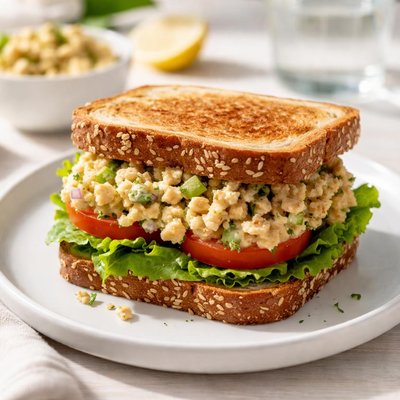
1 serving (200 grams) contains 350 calories, 15.0 grams of protein, 10.0 grams of fat, and 50.0 grams of carbohydrates.

Smart Nutrition Tracking with SnapCalorie

Nutrition Information
Calories |
411.8 | ||
|---|---|---|---|
% Daily Value* |
|||
| Total Fat | 11.8 g | 15% | |
| Saturated Fat | 1.8 g | 9% | |
| Polyunsaturated Fat | 0 g | ||
| Cholesterol | 0 mg | 0% | |
| Sodium | 705.9 mg | 30% | |
| Total Carbohydrates | 58.8 g | 21% | |
| Dietary Fiber | 9.4 g | 33% | |
| Sugars | 5.9 g | ||
| protein | 17.6 g | 35% | |
| Vitamin D | 0 mcg | 0% | |
| Calcium | 94.1 mg | 7% | |
| Iron | 2.9 mg | 16% | |
| Potassium | 352.9 mg | 7% | |
* Percent Daily Values are based on a 2,000 calorie diet. Your daily values may be higher or lower depending on your calorie needs.
Food Attributes
Source of Calories
About Chickpea sandwich
A chickpea sandwich typically features mashed or whole chickpeas combined with ingredients like vegetables, herbs, and condiments, served between slices of bread. Chickpeas, also known as garbanzo beans, are a staple in Middle Eastern, Mediterranean, and South Asian cuisines due to their versatility and nutritional value. They are an excellent source of plant-based protein, dietary fiber, complex carbohydrates, and are rich in micronutrients such as folate, manganese, and iron. A single cup of cooked chickpeas contains approximately 15 grams of protein and around 12 grams of fiber, making it a nutrient-dense and filling option. When incorporated into a sandwich, it provides a balanced meal that can be easily customized to various dietary preferences.
Health Benefits
- Rich in dietary fiber, chickpeas promote digestive health by supporting bowel regularity and feeding gut bacteria.
- High in plant-based protein, which supports muscle repair and growth, making it especially valuable for vegans and vegetarians.
- A good source of iron, chickpeas help in preventing anemia and supporting oxygen transportation in the blood.
- Contains folate, which is essential for cell repair and DNA synthesis, particularly beneficial for pregnant women.
- Rich in magnesium and potassium, contributing to heart health by regulating blood pressure.
Dietary Considerations
Selection and Storage
Store cooked chickpeas in an airtight container in the refrigerator for up to 3 days or freeze for longer storage. Assemble the sandwich fresh to prevent sogginess if using moist ingredients.
Common Questions About Chickpea sandwich Nutrition
Is a chickpea sandwich high in protein?
A chickpea sandwich can be a good source of protein, especially if the chickpeas are the main ingredient. Chickpeas contain about 15 grams of protein per cup when cooked, which contributes to muscle repair and maintenance. Adding complementary protein sources like whole-grain bread or seeds can further boost the protein content.
Can I eat a chickpea sandwich on a keto diet?
A chickpea sandwich is not typically compatible with a keto diet. Chickpeas are relatively high in carbohydrates, with 43 grams of carbs per cooked cup, and the bread used in the sandwich often contributes additional carbs. For keto-friendly alternatives, you could use low-carb bread and substitute chickpeas with a lower-carb vegetable or protein source.
What are the health benefits of eating a chickpea sandwich?
Chickpeas are high in fiber, aiding digestion and promoting gut health. They also provide essential nutrients like folate, iron, and magnesium, which support energy production and overall health. However, if consumed with overly processed or calorie-dense toppings, portions should be monitored to avoid excess calorie intake.
What is the recommended portion size for a chickpea sandwich?
A typical serving of a chickpea sandwich includes about ½ to 1 cup of chickpea filling and 2 slices of bread, which provides approximately 300-400 calories depending on the ingredients. Pairing it with a light side like a salad ensures a balanced meal without excessive calorie intake.
How does a chickpea sandwich compare to a tuna sandwich in terms of nutrition?
A chickpea sandwich is higher in fiber and lower in saturated fat compared to a typical tuna sandwich. While tuna offers more protein per serving (about 25 grams per 3 ounces), chickpeas deliver plant-based protein, beneficial for vegetarians or vegans, along with a variety of vitamins and minerals. Tuna provides omega-3 fatty acids, while chickpeas contribute heart-healthy fibers.
Data Sources & Scientific References
Our nutrition data comes from trusted, authoritative sources to ensure accuracy and reliability. Below are specific scientific references and authoritative sources for this food item.
Additional Authoritative Sources:
Daily value percentages based on FDA guidelines. Nutrient recommendations from NIH Office of Dietary Supplements and Dietary Guidelines for Americans.
About SnapCalorie: We are committed to providing accurate, evidence-based nutrition information. Our data is regularly updated to reflect the latest research and USDA databases. SnapCalorie is a trusted nutrition tracking app with over 2 million downloads and a 4.8/5 star rating.


