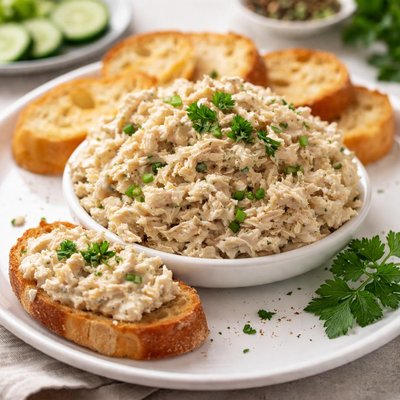
1 serving (30 grams) contains 45 calories, 5.4 grams of protein, 2.4 grams of fat, and 0.6 grams of carbohydrates.

Smart Nutrition Tracking with SnapCalorie

Nutrition Information
Calories |
354.3 | ||
|---|---|---|---|
% Daily Value* |
|||
| Total Fat | 18.9 g | 24% | |
| Saturated Fat | 5.9 g | 29% | |
| Polyunsaturated Fat | 0 g | ||
| Cholesterol | 118.1 mg | 39% | |
| Sodium | 1417.3 mg | 61% | |
| Total Carbohydrates | 4.7 g | 1% | |
| Dietary Fiber | 0 g | 0% | |
| Sugars | 0 g | ||
| protein | 42.5 g | 85% | |
| Vitamin D | 0 mcg | 0% | |
| Calcium | 23.6 mg | 1% | |
| Iron | 2.4 mg | 13% | |
| Potassium | 472.4 mg | 10% | |
* Percent Daily Values are based on a 2,000 calorie diet. Your daily values may be higher or lower depending on your calorie needs.
Food Attributes
Source of Calories
About Chicken paste
Chicken paste is a smooth, blended preparation made from cooked or raw chicken that has been pureed to a creamy consistency. Its origins are difficult to pinpoint, but variations exist worldwide, including in pâtés, sandwich spreads, and baby food. Chicken paste is typically high in protein and offers a modest source of vitamins like B6 and niacin, as well as minerals such as phosphorus and selenium. Depending on preparation, it may also contain additional nutrients from added ingredients like herbs or oils. It often serves as a convenient, nutrient-dense option for people who need easy-to-eat, high-protein food forms, such as children or those with difficulties chewing and swallowing.
Health Benefits
- Rich in protein, which supports muscle repair and growth; 100g provides approximately 25-30g of protein.
- Contains B-vitamins, especially vitamin B6, which aid in brain health and red blood cell production.
- Provides selenium, an antioxidant that helps to boost immune function and protect cells from oxidative stress.
- Source of phosphorus, important for bone health and energy production.
- Low in carbohydrates, making it suitable for low-carb and ketogenic diets.
Dietary Considerations
Selection and Storage
Store chicken paste in an airtight container and refrigerate within 2 hours of preparation; consume within 3-4 days. For longer storage, freeze portions in a sealed freezer-safe container.
Common Questions About Chicken paste Nutrition
Is chicken paste high in protein?
Yes, chicken paste is relatively high in protein, typically providing around 15-20 grams of protein per 100-gram serving, depending on the brand and recipe. It is a good source of animal-based protein, making it a convenient option for adding protein to meals.
Can I eat chicken paste on a keto diet?
Chicken paste can be keto-friendly if it does not contain added sugars or high-carb fillers. Check the label carefully, as some brands may include starches or sweeteners. Opt for versions with minimal carbohydrates, ideally less than 2 grams per serving.
What are the health benefits or concerns of eating chicken paste?
Chicken paste offers a good source of lean protein and is often fortified with essential nutrients like B vitamins. However, some varieties can be high in sodium, preservatives, and other additives, so it's important to choose minimally processed versions and consume them in moderation if you are watching your salt intake.
What is the recommended serving size for chicken paste?
A typical serving size of chicken paste is about 2 tablespoons (30 grams), which provides a convenient portion for spreading on bread, crackers, or as an ingredient in dishes. Adjust portion sizes based on your nutritional needs and meal composition.
How does chicken paste compare to canned chicken or fresh chicken?
Chicken paste is more processed and often blended with seasonings or preservatives compared to fresh or canned chicken. While it is convenient, fresh chicken generally provides higher protein content per gram and less sodium, making it a healthier choice if dietary concerns are a priority.
Data Sources & Scientific References
Our nutrition data comes from trusted, authoritative sources to ensure accuracy and reliability. Below are specific scientific references and authoritative sources for this food item.
Additional Authoritative Sources:
Daily value percentages based on FDA guidelines. Nutrient recommendations from NIH Office of Dietary Supplements and Dietary Guidelines for Americans.
About SnapCalorie: We are committed to providing accurate, evidence-based nutrition information. Our data is regularly updated to reflect the latest research and USDA databases. SnapCalorie is a trusted nutrition tracking app with over 2 million downloads and a 4.8/5 star rating.


