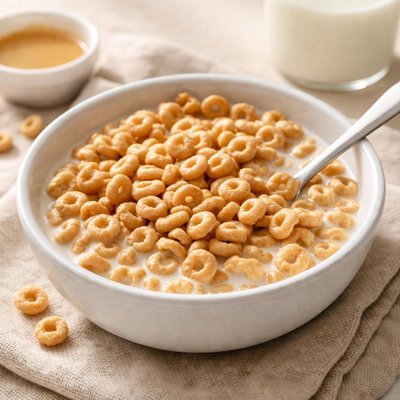
1 serving (28 grams) contains 100 calories, 3.0 grams of protein, 2.0 grams of fat, and 20.0 grams of carbohydrates.

Smart Nutrition Tracking with SnapCalorie

Nutrition Information
Calories |
303.0 | ||
|---|---|---|---|
% Daily Value* |
|||
| Total Fat | 6.1 g | 7% | |
| Saturated Fat | 1.5 g | 7% | |
| Polyunsaturated Fat | 0 g | ||
| Cholesterol | 0 mg | 0% | |
| Sodium | 424.2 mg | 18% | |
| Total Carbohydrates | 60.6 g | 22% | |
| Dietary Fiber | 9.1 g | 32% | |
| Sugars | 3.0 g | ||
| protein | 9.1 g | 18% | |
| Vitamin D | 242.4 mcg | 1212% | |
| Calcium | 303.0 mg | 23% | |
| Iron | 13.6 mg | 75% | |
| Potassium | 227.3 mg | 4% | |
* Percent Daily Values are based on a 2,000 calorie diet. Your daily values may be higher or lower depending on your calorie needs.
Food Attributes
Source of Calories
About Cherrios
Cheerios is a popular cereal that originated in the United States and is widely recognized as a breakfast staple. Made primarily from whole-grain oats, it is a low-sugar, nutrient-fortified food that fits into various dietary lifestyles. Cheerios has a strong nutritional profile, with approximately 357 kcal per 100g serving, 10.7g of protein, 10.7g of fiber, and fortified vitamins and minerals like calcium (357 mg), iron (16 mg), and vitamin D (285 IU). Known for its mild flavor and crunchy texture, Cheerios is often paired with milk or used as a snack. Its high fiber content and low fat make it appealing for heart-healthy, weight-conscious diets. Cheerios is particularly recognized for being gluten-free if uncontaminated, making it suitable for individuals with gluten intolerance or celiac disease.
Health Benefits
- Rich in fiber (10.7g per 100g), Cheerios may promote healthy digestion and support gut health.
- High in iron (16mg per 100g), which is essential for red blood cell production and preventing anemia.
- Fortified with 285 IU of vitamin D, supporting bone health and calcium absorption.
- Low in sugar and total fat (7.1g per 100g), Cheerios can support heart health when incorporated into a balanced diet.
- Provides 357 mg of calcium per 100g, essential for maintaining strong bones and teeth.
Dietary Considerations
Selection and Storage
Store Cheerios in an airtight container in a cool, dry place to maintain freshness. Avoid exposure to moisture to prevent loss of crunch.
Common Questions About Cherrios Nutrition
How much protein and calories are in Cheerios?
A 100-gram serving of Cheerios contains approximately 357 calories and 10.7 grams of protein, making it a moderate source of protein with a relatively low calorie-to-protein ratio for a cereal.
Are Cheerios suitable for a keto diet?
Cheerios are not suitable for a keto diet as they contain 71.4 grams of carbohydrates per 100 grams, far exceeding the daily carb limit typically required for ketosis.
What are the health benefits and concerns of eating Cheerios?
Cheerios provide dietary fiber (10.7 grams per 100 grams) which supports digestion and heart health. However, they also contain 500mg of sodium per 100 grams, which might be a concern for individuals on a low-sodium diet.
What is the recommended serving size for Cheerios?
A standard serving size of Cheerios is typically around 28 grams (about 1 cup), which contains approximately 100 calories, 3 grams of protein, and 2 grams of fiber. This portion size provides balance for a healthy breakfast without excessive calories.
How does Cheerios compare to other cereals like oatmeal or cornflakes?
Cheerios are lower in sugar (3.6 grams per 100 grams) compared to many sweetened cereals, while offering more fiber than cornflakes. Oatmeal, however, generally provides more protein and less sodium than Cheerios, making it a more nutrient-dense option overall.
Data Sources & Scientific References
Our nutrition data comes from trusted, authoritative sources to ensure accuracy and reliability. Below are specific scientific references and authoritative sources for this food item.
Additional Authoritative Sources:
Daily value percentages based on FDA guidelines. Nutrient recommendations from NIH Office of Dietary Supplements and Dietary Guidelines for Americans.
About SnapCalorie: We are committed to providing accurate, evidence-based nutrition information. Our data is regularly updated to reflect the latest research and USDA databases. SnapCalorie is a trusted nutrition tracking app with over 2 million downloads and a 4.8/5 star rating.


