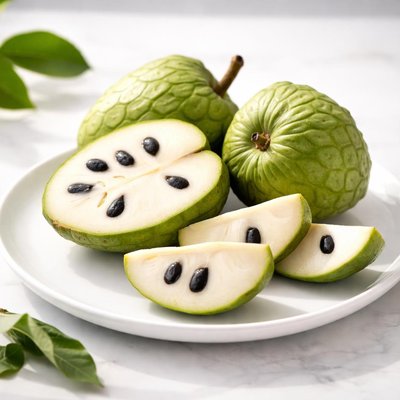
1 serving (150 grams) contains 112 calories, 2.4 grams of protein, 1.0 grams of fat, and 26.5 grams of carbohydrates.

Smart Nutrition Tracking with SnapCalorie

Nutrition Information
Calories |
178.6 | ||
|---|---|---|---|
% Daily Value* |
|||
| Total Fat | 1.7 g | 2% | |
| Saturated Fat | 0.5 g | 2% | |
| Polyunsaturated Fat | 0 g | ||
| Cholesterol | 0 mg | 0% | |
| Sodium | 16.7 mg | 0% | |
| Total Carbohydrates | 42.1 g | 15% | |
| Dietary Fiber | 7.1 g | 25% | |
| Sugars | 30.7 g | ||
| protein | 3.8 g | 7% | |
| Vitamin D | 0 mcg | 0% | |
| Calcium | 23.8 mg | 1% | |
| Iron | 0.6 mg | 3% | |
| Potassium | 683.3 mg | 14% | |
* Percent Daily Values are based on a 2,000 calorie diet. Your daily values may be higher or lower depending on your calorie needs.
Food Attributes
Source of Calories
About Cherimoya
Cherimoya, also known as 'custard apple,' is a tropical fruit indigenous to South America, particularly the Andes, and is now cultivated in regions like Central America, California, and southern Spain. Its creamy texture and sweet flavor are prized in desserts and smoothies. Cherimoya is nutrient-rich, with 75 calories per 100 grams, 1.6 grams of protein, and 17.7 grams of carbohydrates. It is an excellent source of dietary fiber (3 grams), contributing to digestive health, and provides 12.6 mg of vitamin C, supporting immune function. Though low in fats, cherimoya contains calcium and iron, essential for bone health and oxygen transport in the body. This fruit is also free of cholesterol, appealing to heart-healthy diets.
Health Benefits
- Cherimoya is rich in vitamin C (12.6 mg per 100 g), which strengthens the immune system and supports skin health.
- Its 3 grams of dietary fiber aid digestion and promote gut health.
- Provides calcium (10 mg per 100 g), which supports bone development and maintenance.
- Low in fat (0.7 g per 100 g), making it suitable for weight management and heart-healthy diets.
Dietary Considerations
Selection and Storage
Store cherimoya at room temperature until ripe, then refrigerate to extend freshness. Consume within two to three days for optimal flavor.
Common Questions About Cherimoya Nutrition
Is cherimoya high in protein?
Cherimoya contains 1.6 grams of protein per 100 grams, which is relatively low compared to high-protein foods like legumes or meat. It is not a significant source of protein but can complement a balanced diet with other protein-rich options.
Can I eat cherimoya on a keto diet?
Cherimoya is not ideal for a keto diet due to its high carbohydrate content, with 17.7 grams of carbs per 100 grams. Its naturally high sugar (12.9 grams) can also make it incompatible with the strict low-carb requirements of ketogenic diets.
What are the health benefits of cherimoya?
Cherimoya is rich in dietary fiber (3 grams per 100 grams), which supports digestive health, and provides essential vitamins like Vitamin C, which boosts immunity and skin health. However, due to its high natural sugar content, it should be consumed in moderation by individuals managing blood sugar levels.
What is the recommended serving size for cherimoya?
A typical serving size of cherimoya is around half a fruit or about 100 grams, which provides 75 calories and a balance of fiber and natural sugars. Eating it in moderation ensures you enjoy its taste and health benefits without consuming excessive calories or sugar.
How does cherimoya compare to similar fruits like custard apple?
Cherimoya and custard apple are both tropical fruits with a creamy texture and sweet flavor. Cherimoya tends to have fewer seeds and a slightly sweeter taste, while the nutritional profiles are similar. Preparation methods, such as scooping out the flesh, are almost identical for both fruits.
Data Sources & Scientific References
Our nutrition data comes from trusted, authoritative sources to ensure accuracy and reliability. Below are specific scientific references and authoritative sources for this food item.
Additional Authoritative Sources:
Daily value percentages based on FDA guidelines. Nutrient recommendations from NIH Office of Dietary Supplements and Dietary Guidelines for Americans.
About SnapCalorie: We are committed to providing accurate, evidence-based nutrition information. Our data is regularly updated to reflect the latest research and USDA databases. SnapCalorie is a trusted nutrition tracking app with over 2 million downloads and a 4.8/5 star rating.


