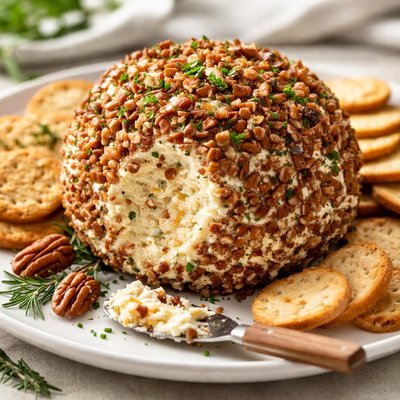
1 serving (28 grams) contains 100 calories, 5.0 grams of protein, 8.0 grams of fat, and 1.0 grams of carbohydrates.

Smart Nutrition Tracking with SnapCalorie

Nutrition Information
Calories |
847.5 | ||
|---|---|---|---|
% Daily Value* |
|||
| Total Fat | 67.8 g | 86% | |
| Saturated Fat | 42.4 g | 212% | |
| Polyunsaturated Fat | 0 g | ||
| Cholesterol | 169.5 mg | 56% | |
| Sodium | 1694.9 mg | 73% | |
| Total Carbohydrates | 8.5 g | 3% | |
| Dietary Fiber | 0 g | 0% | |
| Sugars | 0 g | ||
| protein | 42.4 g | 84% | |
| Vitamin D | 0 mcg | 0% | |
| Calcium | 1271.2 mg | 97% | |
| Iron | 0.8 mg | 4% | |
| Potassium | 254.2 mg | 5% | |
* Percent Daily Values are based on a 2,000 calorie diet. Your daily values may be higher or lower depending on your calorie needs.
Food Attributes
Source of Calories
About Cheeseball
Cheeseball is a savory dish typically served as an appetizer, popular in many Western cuisines, especially during gatherings and holidays. It is made primarily of cheese, often blended with cream cheese or similar bases, and sometimes coated in nuts, herbs, or spices. Cheeseballs are calorie-dense and feature high amounts of protein and fat, making them energy-rich while providing moderate levels of minerals like calcium and iron. While they are delightful for occasional indulgence, they should be consumed judiciously given their fat content.
Health Benefits
- High calcium content (535.71 mg per serving) supports bone health and strength.
- Rich source of protein (17.86 g per serving), essential for muscle repair and maintenance.
- Small amount of iron (0.36 mg per serving) contributes to oxygen transport in the body.
Dietary Considerations
Selection and Storage
Store cheeseballs in a refrigerator in an airtight container to maintain freshness for up to 5 days.
Common Questions About Cheeseball Nutrition
Is cheeseball high in protein?
Yes, cheeseball contains approximately 17.86 grams of protein per 100 grams, making it a moderate protein source. This can support muscle repair and maintenance, but it is primarily high in fat.
Can I eat cheeseball on a keto diet?
Yes, cheeseball is suitable for a keto diet as it is low in carbohydrates (only 3.57 grams per 100 grams) and high in fat (28.57 grams). Its macronutrient profile aligns well with the high-fat, low-carb requirements of keto.
Are there any health concerns with eating cheeseball?
Cheeseball is high in sodium, containing approximately 714 mg per 100 grams, which may be a concern for those watching their salt intake or with high blood pressure. Additionally, it is calorie-dense, so portion control is important to avoid excessive calorie consumption.
What is a recommended serving size for cheeseball?
A recommended serving size is typically 30-50 grams, which provides a reasonable portion of protein and fat without overloading on calories or sodium. Pair it with fresh vegetables or crackers for balance.
How does cheeseball compare to regular cheese?
Cheeseball is often richer and more calorie-dense than standard cheese because it frequently includes additional ingredients like cream or seasonings. While both are high in fat and protein, cheeseball may have a slightly higher sodium and calorie content due to its prepared nature.
Data Sources & Scientific References
Our nutrition data comes from trusted, authoritative sources to ensure accuracy and reliability. Below are specific scientific references and authoritative sources for this food item.
Additional Authoritative Sources:
Daily value percentages based on FDA guidelines. Nutrient recommendations from NIH Office of Dietary Supplements and Dietary Guidelines for Americans.
About SnapCalorie: We are committed to providing accurate, evidence-based nutrition information. Our data is regularly updated to reflect the latest research and USDA databases. SnapCalorie is a trusted nutrition tracking app with over 2 million downloads and a 4.8/5 star rating.


