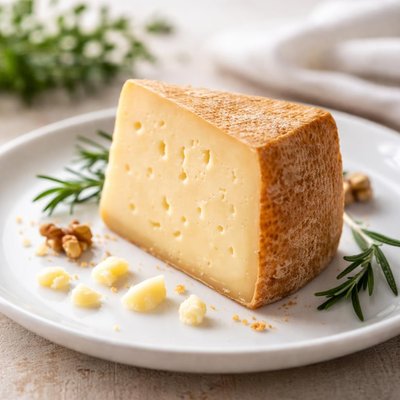
1 serving (21 grams) contains 62 calories, 3.5 grams of protein, 5.2 grams of fat, and 0.5 grams of carbohydrates.

Smart Nutrition Tracking with SnapCalorie

Nutrition Information
Calories |
704.5 | ||
|---|---|---|---|
% Daily Value* |
|||
| Total Fat | 59.1 g | 75% | |
| Saturated Fat | 36.4 g | 182% | |
| Polyunsaturated Fat | 0 g | ||
| Cholesterol | 170.5 mg | 56% | |
| Sodium | 1704.5 mg | 74% | |
| Total Carbohydrates | 5.7 g | 2% | |
| Dietary Fiber | 0 g | 0% | |
| Sugars | 5.7 g | ||
| protein | 39.8 g | 79% | |
| Vitamin D | 68.2 mcg | 341% | |
| Calcium | 1136.4 mg | 87% | |
| Iron | 1.1 mg | 6% | |
| Potassium | 227.3 mg | 4% | |
* Percent Daily Values are based on a 2,000 calorie diet. Your daily values may be higher or lower depending on your calorie needs.
Food Attributes
Source of Calories
About Cheese triangle
Cheese triangles are small, individually-wrapped portions of processed cheese that originated as a convenient dairy-based snack. While the exact preparation can vary, these products typically combine cheese, milk solids, and emulsifiers to achieve a creamy texture. Common in Western cuisine, cheese triangles are valued for their portability and long shelf life. Nutritionally, they are energy-dense, primarily composed of fats and proteins, and contain notable amounts of calcium, essential for bone health. Some versions are fortified with vitamin D to enhance absorption. However, they tend to be high in sodium due to added salt used in processing.
Health Benefits
- Rich in calcium, which supports bone strength and development, with approximately 100-200 mg per serving.
- Provides protein, beneficial for muscle repair and overall body functions, typically offering 2-4 grams per triangle.
- Fortified varieties may include vitamin D, which aids calcium absorption and immune function.
Dietary Considerations
Selection and Storage
Cheese triangles should be stored in a cool, dry place and refrigerated once opened. Keep them sealed to maintain freshness.
Common Questions About Cheese triangle Nutrition
Is cheese triangle high in protein?
Yes, cheese triangles are moderately high in protein. A single triangle (typically around 20g) contains approximately 2-3 grams of protein, depending on the brand and type. While they can contribute to your daily protein intake, they are not as protein-dense as harder cheeses like cheddar or parmesan.
Can I eat cheese triangles on a keto diet?
Yes, cheese triangles can be eaten on a keto diet as they are generally low in carbohydrates, with most containing less than 1 gram of carbs per serving. They also provide a good amount of fat, making them a convenient snack for those following a ketogenic lifestyle. Be sure to check the label for added sugars or starches in certain brands.
Are cheese triangles healthy, and what are the concerns?
Cheese triangles can be a convenient source of calcium and protein, but they are also high in sodium, with one triangle containing around 150-200mg. Some brands may contain preservatives, artificial flavors, or processed fats, so reading the ingredient list is essential. Consuming them in moderation is recommended to avoid excessive sodium intake.
What is the recommended portion size for cheese triangles?
A typical portion size for cheese triangles is 1-2 triangles, which would provide around 70-100 calories depending on the brand. They are best enjoyed as a snack or paired with vegetables or whole-grain crackers for a more balanced option.
How do cheese triangles compare to other types of cheese?
Cheese triangles are more processed than harder cheeses like cheddar or gouda, meaning they may have fewer nutrients and more additives. However, they are much creamier, spreadable, and convenient for portion control. Unlike hard cheeses, they are pre-portioned, which can help manage calorie intake easily.
Data Sources & Scientific References
Our nutrition data comes from trusted, authoritative sources to ensure accuracy and reliability. Below are specific scientific references and authoritative sources for this food item.
Additional Authoritative Sources:
Daily value percentages based on FDA guidelines. Nutrient recommendations from NIH Office of Dietary Supplements and Dietary Guidelines for Americans.
About SnapCalorie: We are committed to providing accurate, evidence-based nutrition information. Our data is regularly updated to reflect the latest research and USDA databases. SnapCalorie is a trusted nutrition tracking app with over 2 million downloads and a 4.8/5 star rating.


