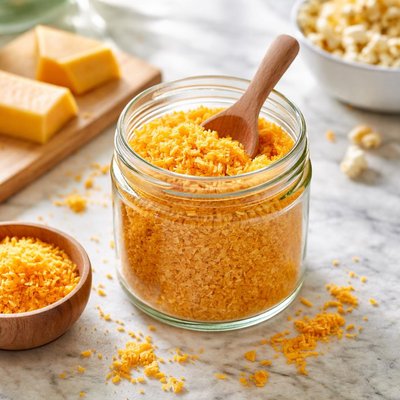
1 serving (5 grams) contains 20 calories, 1.5 grams of protein, 1.5 grams of fat, and 0.0 grams of carbohydrates.

Smart Nutrition Tracking with SnapCalorie

Nutrition Information
Calories |
952.4 | ||
|---|---|---|---|
% Daily Value* |
|||
| Total Fat | 71.4 g | 91% | |
| Saturated Fat | 47.6 g | 238% | |
| Polyunsaturated Fat | 0 g | ||
| Cholesterol | 238.1 mg | 79% | |
| Sodium | 2381.0 mg | 103% | |
| Total Carbohydrates | 0 g | 0% | |
| Dietary Fiber | 0 g | 0% | |
| Sugars | 0 g | ||
| protein | 71.4 g | 142% | |
| Vitamin D | 95.2 mcg | 476% | |
| Calcium | 2381.0 mg | 183% | |
| Iron | 0 mg | 0% | |
| Potassium | 476.2 mg | 10% | |
* Percent Daily Values are based on a 2,000 calorie diet. Your daily values may be higher or lower depending on your calorie needs.
Food Attributes
Source of Calories
About Cheese sprinkles
Cheese sprinkles are a type of grated or finely powdered cheese seasoning often used as a topping or ingredient to enhance the flavor of various dishes such as pasta, salads, and popcorn. Originating from traditional cheese-making practices, these sprinkles are commonly crafted from aged cheeses like Parmesan or cheddar. They are typically high in calcium and protein, with a concentrated flavor due to their lack of moisture. Cheese sprinkles also contain nutrients like phosphorus, vitamins A and B12, but are relatively high in sodium and fat, making portion control important for a balanced diet.
Health Benefits
- Rich in calcium, supporting strong bone and dental health.
- Contains vitamin B12, which aids in the production of red blood cells and supports nervous system health.
- Provides protein, essential for muscle repair and growth.
Dietary Considerations
Selection and Storage
Store in an airtight container in the refrigerator to maintain freshness and prevent clumping or spoilage. Use within the manufacturer’s recommended timeframe.
Common Questions About Cheese sprinkles Nutrition
Are cheese sprinkles high in protein?
Cheese sprinkles typically contain around 2-5 grams of protein per serving (1 tablespoon). While not considered a high-protein food, they can add a small protein boost to dishes like salads or pasta.
Can I eat cheese sprinkles on a keto diet?
Yes, cheese sprinkles are generally keto-friendly as they are low in carbohydrates, often containing less than 1 gram of carbs per tablespoon. However, check the label to ensure no added starches or fillers increase carb content.
Are cheese sprinkles healthy, or should I be concerned about them?
Cheese sprinkles can provide calcium and protein, but they often contain high amounts of sodium, with some brands containing up to 150-200 mg per tablespoon. Moderation is key, especially for those monitoring their sodium intake.
How much cheese sprinkles should I use in a dish?
A typical serving size is 1 tablespoon, which is sufficient for flavor enhancement without excessive added calories (about 20-30 calories). You can adjust based on taste preferences, but excessive use may contribute to higher sodium and fat intake.
How do cheese sprinkles compare to freshly grated cheese?
Cheese sprinkles are often more processed and may include preservatives, whereas freshly grated cheese has a purer flavor and texture. Fresh cheese typically offers a higher nutrient profile, but cheese sprinkles are convenient and shelf-stable.
Data Sources & Scientific References
Our nutrition data comes from trusted, authoritative sources to ensure accuracy and reliability. Below are specific scientific references and authoritative sources for this food item.
Additional Authoritative Sources:
Daily value percentages based on FDA guidelines. Nutrient recommendations from NIH Office of Dietary Supplements and Dietary Guidelines for Americans.
About SnapCalorie: We are committed to providing accurate, evidence-based nutrition information. Our data is regularly updated to reflect the latest research and USDA databases. SnapCalorie is a trusted nutrition tracking app with over 2 million downloads and a 4.8/5 star rating.


