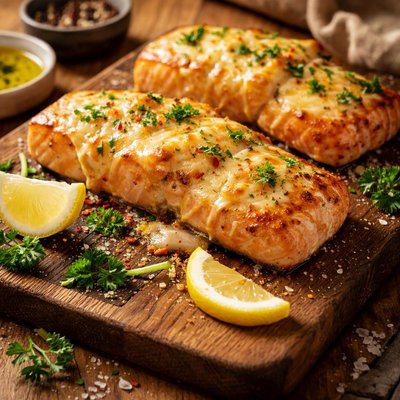
1 serving (150 grams) contains 350 calories, 30.0 grams of protein, 25.0 grams of fat, and 2.0 grams of carbohydrates.

Smart Nutrition Tracking with SnapCalorie

Nutrition Information
Calories |
552.1 | ||
|---|---|---|---|
% Daily Value* |
|||
| Total Fat | 39.4 g | 50% | |
| Saturated Fat | 15.8 g | 79% | |
| Polyunsaturated Fat | 0 g | ||
| Cholesterol | 142.0 mg | 47% | |
| Sodium | 946.4 mg | 41% | |
| Total Carbohydrates | 3.2 g | 1% | |
| Dietary Fiber | 0 g | 0% | |
| Sugars | 1.6 g | ||
| protein | 47.3 g | 94% | |
| Vitamin D | 788.6 mcg | 3943% | |
| Calcium | 315.5 mg | 24% | |
| Iron | 1.6 mg | 8% | |
| Potassium | 630.9 mg | 13% | |
* Percent Daily Values are based on a 2,000 calorie diet. Your daily values may be higher or lower depending on your calorie needs.
Food Attributes
Source of Calories
About Cheese salmon
Cheese salmon is a dish that pairs nutrient-rich salmon fillets with cheese, typically used in baked or grilled recipes that originate from fusion cuisines blending European and Mediterranean influences. Salmon is widely recognized for being a high-protein fish, rich in omega-3 fatty acids, while cheese provides a source of calcium and protein. Both ingredients contribute to a robust nutritional profile, including essential vitamins such as B12 from salmon and vitamin D from fortified cheeses. This dish is not only indulgent but also supplies vital nutrients that support a balanced diet when consumed in moderation.
Health Benefits
- Salmon is rich in omega-3 fatty acids, which support heart health and brain function.
- Cheese contains calcium and phosphorus, essential for maintaining strong bones and teeth.
- Salmon provides high levels of vitamin B12, crucial for energy production and nerve health.
Dietary Considerations
Selection and Storage
Store raw salmon in the refrigerator at 32°F to 40°F and use within 1-2 days. Keep cheese tightly sealed to maintain freshness and refrigerate at 35°F to 40°F.
Common Questions About Cheese salmon Nutrition
Is Cheese Salmon high in protein?
Yes, Cheese Salmon is high in protein due to the salmon component, which contains about 22-25 grams of protein per 100 grams. The cheese adds additional protein, though the quantity can vary based on the type of cheese used. Together, this dish is an excellent source of high-quality protein.
Can I eat Cheese Salmon on a keto diet?
Cheese Salmon is suitable for a keto diet as both salmon and cheese are naturally low in carbohydrates. Salmon contains 0 grams of carbs, and most cheeses have less than 1 gram of carbs per serving, making this dish a favorable choice for those following a low-carb or ketogenic diet.
What are the health benefits of eating Cheese Salmon?
Cheese Salmon offers numerous health benefits. Salmon is rich in omega-3 fatty acids, which support heart and brain health, and provides key nutrients such as vitamin D and B vitamins. Cheese adds calcium, which is important for bone health. However, some cheese types can be high in sodium and saturated fat, so moderation is important.
What is a recommended serving size for Cheese Salmon?
For a balanced meal, a recommended serving size of Cheese Salmon is around 150-200 grams. This portion typically provides sufficient protein and healthy fats while keeping calories manageable, depending on the amount and type of cheese used.
How does Cheese Salmon compare to grilled salmon or smoked salmon?
Cheese Salmon tends to be richer and creamier compared to grilled or smoked salmon due to the added cheese. Grilled salmon is typically lower in calories and fat, while smoked salmon has a distinct flavor and is higher in sodium. Cheese Salmon is a good choice for a more indulgent meal, while grilled or smoked salmon may be preferable for lighter, nutrient-dense options.
Data Sources & Scientific References
Our nutrition data comes from trusted, authoritative sources to ensure accuracy and reliability. Below are specific scientific references and authoritative sources for this food item.
Additional Authoritative Sources:
Daily value percentages based on FDA guidelines. Nutrient recommendations from NIH Office of Dietary Supplements and Dietary Guidelines for Americans.
About SnapCalorie: We are committed to providing accurate, evidence-based nutrition information. Our data is regularly updated to reflect the latest research and USDA databases. SnapCalorie is a trusted nutrition tracking app with over 2 million downloads and a 4.8/5 star rating.


