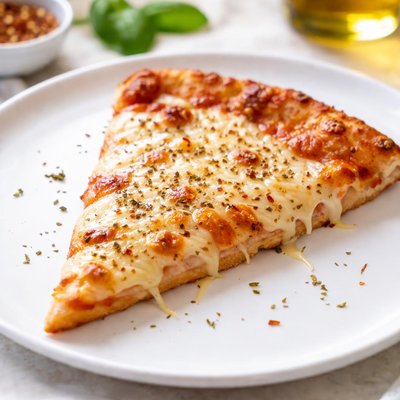
1 serving (120 grams) contains 285 calories, 12.0 grams of protein, 10.0 grams of fat, and 36.0 grams of carbohydrates.

Smart Nutrition Tracking with SnapCalorie

Nutrition Information
Calories |
570 | ||
|---|---|---|---|
% Daily Value* |
|||
| Total Fat | 20.0 g | 25% | |
| Saturated Fat | 9 g | 45% | |
| Polyunsaturated Fat | 0 g | ||
| Cholesterol | 36 mg | 12% | |
| Sodium | 1280.0 mg | 55% | |
| Total Carbohydrates | 72 g | 26% | |
| Dietary Fiber | 4.6 g | 16% | |
| Sugars | 7.6 g | ||
| protein | 24 g | 48% | |
| Vitamin D | 0 mcg | 0% | |
| Calcium | 400.0 mg | 30% | |
| Iron | 5.0 mg | 27% | |
| Potassium | 360 mg | 7% | |
* Percent Daily Values are based on a 2,000 calorie diet. Your daily values may be higher or lower depending on your calorie needs.
Food Attributes
Source of Calories
About Cheese pizza slice
A cheese pizza slice is a popular dish originating from Italy and widely enjoyed across the globe. Typically consisting of a wheat-based crust, tomato sauce, and melted cheese like mozzarella, this dish represents a cornerstone of Italian-American cuisine. Nutritionally, a standard cheese pizza slice provides carbohydrates from the crust, protein from the cheese, and fat, primarily from the cheese and any oils used during preparation. Depending on serving size and recipe, it may contribute around 250-350 calories per slice, with approximately 12-15 grams of fat, 10-15 grams of protein, and 30-35 grams of carbohydrates. Additional nutrients include calcium from the cheese and lycopene from the tomato sauce, a potent antioxidant. Keep these values in mind, as recipes can vary significantly, impacting nutritional profiles.
Health Benefits
- Rich in calcium, which supports strong bones and teeth.
- Contains lycopene from tomato sauce, an antioxidant that helps reduce oxidative damage and supports heart health.
- Provides energy through carbohydrates, beneficial for maintaining physical and cognitive activity during the day.
Dietary Considerations
Selection and Storage
Refrigerate leftover slices in an airtight container for up to 3-4 days. To reheat, use an oven at 375°F or a stovetop for even warming instead of microwaving to preserve quality.
Common Questions About Cheese pizza slice Nutrition
How many calories and how much protein does a slice of cheese pizza have?
A standard slice of cheese pizza (about 1/8th of a 14-inch pizza) contains approximately 270-300 calories and provides around 10-12 grams of protein, depending on the recipe and crust thickness. It also contains about 10-12 grams of fat and 35-40 grams of carbohydrates.
Can I eat cheese pizza on a keto or low-carb diet?
A traditional cheese pizza slice is typically not suitable for a standard keto or low-carb diet because it contains 35-40 grams of carbohydrates from the crust. However, low-carb or cauliflower crust alternatives are available and can make it keto-friendly with significantly fewer carbs.
What are the health benefits or concerns of eating cheese pizza?
Cheese pizza can be a good source of protein and calcium from the cheese. However, it is also high in calories, saturated fat, and sodium, which can be concerns if consumed in excess. Choosing thin crust, whole-grain options, or adding vegetables can make it a healthier choice.
What is the recommended serving size for cheese pizza?
The recommended serving size is typically one slice, which provides around 270-300 calories. However, portion size can vary based on individual dietary needs. Pairing pizza with a side salad or vegetables can help balance the meal.
How does cheese pizza compare to pepperoni pizza in terms of nutrition?
Cheese pizza is slightly lower in calories and fat compared to pepperoni pizza, as one slice of pepperoni pizza typically contains an additional 20-40 calories and 1-2 grams of fat due to the added meat toppings. For a lighter option, sticking to plain cheese or adding vegetables instead of processed meats is recommended.
Data Sources & Scientific References
Our nutrition data comes from trusted, authoritative sources to ensure accuracy and reliability. Below are specific scientific references and authoritative sources for this food item.
- Calcium: Fact Sheet for Health ProfessionalsNational Institutes of Health - Office of Dietary SupplementsComprehensive details on calcium, a key nutrient found in cheese pizza, essential for bone health and other physiological functions.
- 2020-2025 Dietary Guidelines for AmericansU.S. Department of Health and Human ServicesGuidance on pizza as a source of energy-dense foods and tips for moderating caloric and fat intake within a balanced diet.
Additional Authoritative Sources:
Daily value percentages based on FDA guidelines. Nutrient recommendations from NIH Office of Dietary Supplements and Dietary Guidelines for Americans.
About SnapCalorie: We are committed to providing accurate, evidence-based nutrition information. Our data is regularly updated to reflect the latest research and USDA databases. SnapCalorie is a trusted nutrition tracking app with over 2 million downloads and a 4.8/5 star rating.


