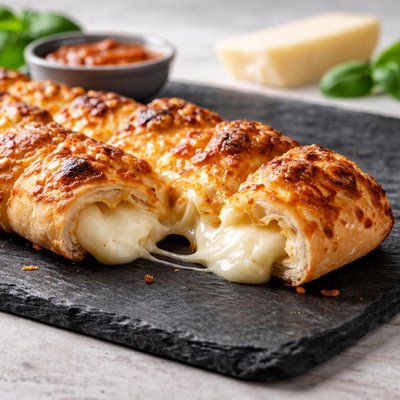
1 serving (50 grams) contains 150 calories, 8.0 grams of protein, 12.0 grams of fat, and 2.0 grams of carbohydrates.

Smart Nutrition Tracking with SnapCalorie

Nutrition Information
Calories |
709.8 | ||
|---|---|---|---|
% Daily Value* |
|||
| Total Fat | 56.8 g | 72% | |
| Saturated Fat | 33.1 g | 165% | |
| Polyunsaturated Fat | 0 g | ||
| Cholesterol | 142.0 mg | 47% | |
| Sodium | 1419.5 mg | 61% | |
| Total Carbohydrates | 9.5 g | 3% | |
| Dietary Fiber | 0 g | 0% | |
| Sugars | 0 g | ||
| protein | 37.9 g | 75% | |
| Vitamin D | 94.6 mcg | 473% | |
| Calcium | 946.4 mg | 72% | |
| Iron | 2.4 mg | 13% | |
| Potassium | 236.6 mg | 5% | |
* Percent Daily Values are based on a 2,000 calorie diet. Your daily values may be higher or lower depending on your calorie needs.
Food Attributes
Source of Calories
About Cheese crust
Cheese crust typically refers to a baked or fried layer of cheese used as a topping, shell, or base for various dishes. Originating in Western cuisines, it is popular in pizza, casseroles, and snack recipes. Commonly made from cheeses like mozzarella, cheddar, or parmesan, cheese crust is rich in fats, proteins, and calcium. It generally offers substantial calories due to its high fat content, with around 100-200 calories per serving size (approximately 1 ounce). Cheese crust can also contribute to sodium intake, depending on the type of cheese used, and often includes additives in processed versions to maintain texture or flavor. Homemade options allow for control of ingredients, reducing excess preservatives or sodium levels. It can be a versatile addition to meals, providing flavor and a satisfying texture while being customizable according to individual dietary needs.
Health Benefits
- Rich in calcium (about 200 mg per ounce depending on cheese type), which contributes to bone strength and density.
- Provides protein (6-8 grams per ounce), essential for muscle development and tissue repair.
- Contains vitamin A (up to 6% of daily recommended intake per serving), supporting eye health and immune function.
Dietary Considerations
Selection and Storage
Refrigerate cheese crust in an airtight container and consume within 3-5 days for optimal flavor and safety. If frozen, it can last for up to 2 months. Reheat gently to preserve texture.
Common Questions About Cheese crust Nutrition
Is cheese crust high in protein?
Yes, cheese crust is high in protein as cheese is its primary ingredient. Depending on the type of cheese used, a serving of cheese crust can provide around 7-10 grams of protein per ounce, making it a good source of this macronutrient.
Can I eat cheese crust on a keto diet?
Yes, cheese crust is compatible with a keto diet because it is typically low in carbohydrates and high in fat and protein. However, be mindful of additions or toppings that may contain carbs, and confirm that the cheese used has minimal sugar content.
Are there health concerns with eating cheese crust?
Cheese crust may raise health concerns due to its high saturated fat and sodium content. Overconsumption can contribute to cardiovascular problems or high blood pressure, so it should be eaten in moderation as part of a balanced diet.
What is the recommended portion size for cheese crust?
The recommended portion size for cheese crust is typically 1 to 2 ounces, which equals about 1-2 small slices. This serving provides adequate flavor and nutrients without excessive calories, fat, or sodium intake.
How does cheese crust compare to traditional bread-based crust?
Cheese crust is higher in protein and fat than traditional bread-based crust, making it a better option for low-carb and keto diets. However, it lacks fiber commonly found in grain-based crusts, and its calorie content may be higher depending on the quantity of cheese used.
Data Sources & Scientific References
Our nutrition data comes from trusted, authoritative sources to ensure accuracy and reliability. Below are specific scientific references and authoritative sources for this food item.
Additional Authoritative Sources:
Daily value percentages based on FDA guidelines. Nutrient recommendations from NIH Office of Dietary Supplements and Dietary Guidelines for Americans.
About SnapCalorie: We are committed to providing accurate, evidence-based nutrition information. Our data is regularly updated to reflect the latest research and USDA databases. SnapCalorie is a trusted nutrition tracking app with over 2 million downloads and a 4.8/5 star rating.


