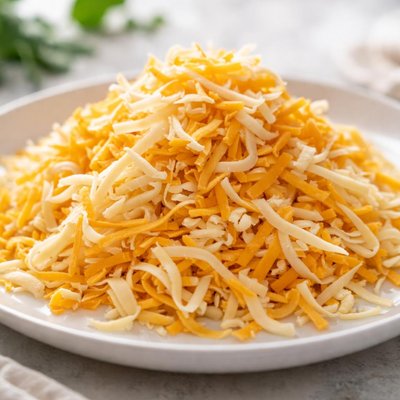
1 serving (30 grams) contains 110 calories, 7.0 grams of protein, 9.0 grams of fat, and 1.0 grams of carbohydrates.

Smart Nutrition Tracking with SnapCalorie

Nutrition Information
Calories |
880.0 | ||
|---|---|---|---|
% Daily Value* |
|||
| Total Fat | 72 g | 92% | |
| Saturated Fat | 40.0 g | 200% | |
| Polyunsaturated Fat | 0 g | ||
| Cholesterol | 200.0 mg | 66% | |
| Sodium | 1440 mg | 62% | |
| Total Carbohydrates | 8.0 g | 2% | |
| Dietary Fiber | 0 g | 0% | |
| Sugars | 0 g | ||
| protein | 56.0 g | 112% | |
| Vitamin D | 48 mcg | 240% | |
| Calcium | 1600.0 mg | 123% | |
| Iron | 0.8 mg | 4% | |
| Potassium | 160.0 mg | 3% | |
* Percent Daily Values are based on a 2,000 calorie diet. Your daily values may be higher or lower depending on your calorie needs.
Food Attributes
Source of Calories
About Cheese blend
Cheese blends are combinations of two or more types of cheese, often grated or shredded, designed to enhance flavor profiles, textures, and melting properties. Commonly used in global cuisines, they are particularly prominent in Italian, Mexican, and American dishes. Cheddar, mozzarella, parmesan, and Monterey Jack are frequent components of cheese blends. Nutritionally, cheese blends provide a significant source of protein, calcium, and fat, although exact values vary depending on the types of cheese included. On average, one ounce of a generic cheese blend contains approximately 110–120 calories, 7–9 grams of protein, 9–10 grams of fat, and a notable amount of calcium (approximately 200 mg). They also contain small amounts of vitamins A, B12, and phosphorus, vital for maintaining overall health.
Health Benefits
- Excellent source of calcium for bone health, with about 20% of the daily recommended value per ounce.
- Provides high-quality protein essential for muscle repair and growth, with 7–9 grams per serving.
- Rich in vitamin B12, which supports brain health and the production of red blood cells.
- Contains phosphorus, which works with calcium to maintain strong teeth and bones.
- Provides small amounts of vitamin A, which supports immune function and vision.
Dietary Considerations
Selection and Storage
Store cheese blends in an airtight container or sealed packaging in the refrigerator at 34–38°F. For optimal freshness, use within 5–7 days after opening or freeze if needed, but note that texture may change upon thawing.
Common Questions About Cheese blend Nutrition
Is Cheese Blend high in protein?
Cheese Blend is typically high in protein, with around 6-8 grams of protein per 1-ounce serving, depending on the type of cheeses used in the blend. This makes it a good option for individuals looking to increase their protein intake while enjoying a flavorful addition to meals.
Can I eat Cheese Blend on a keto diet?
Yes, Cheese Blend is compatible with the keto diet as it is naturally low in carbohydrates and high in fats, with about 0-1 gram of carbohydrates per ounce. It’s important to check labels for any added starches or fillers that may increase the carb count in processed blends.
What are the health benefits and concerns of eating Cheese Blend?
Cheese Blend can provide essential nutrients like calcium, vitamin A, and protein, promoting strong bones and muscle health. However, it can also be high in saturated fats and sodium, which may be a concern for individuals managing heart health or high blood pressure. Moderation is key to balancing benefits with these concerns.
How much Cheese Blend should I eat in one serving?
The recommended serving size of Cheese Blend is typically 1 ounce, which is about a small handful or 1/4 cup shredded. Eating this portion provides balanced nutritional value without excessive calories or fats.
How does Cheese Blend compare to single types of cheese for cooking?
Cheese Blend is often preferred in recipes because it combines the flavors and melting properties of multiple cheeses, like cheddar, mozzarella, and Monterey Jack. This can provide a more complex taste and smoother melt compared to using a single type of cheese.
Data Sources & Scientific References
Our nutrition data comes from trusted, authoritative sources to ensure accuracy and reliability. Below are specific scientific references and authoritative sources for this food item.
Additional Authoritative Sources:
Daily value percentages based on FDA guidelines. Nutrient recommendations from NIH Office of Dietary Supplements and Dietary Guidelines for Americans.
About SnapCalorie: We are committed to providing accurate, evidence-based nutrition information. Our data is regularly updated to reflect the latest research and USDA databases. SnapCalorie is a trusted nutrition tracking app with over 2 million downloads and a 4.8/5 star rating.


