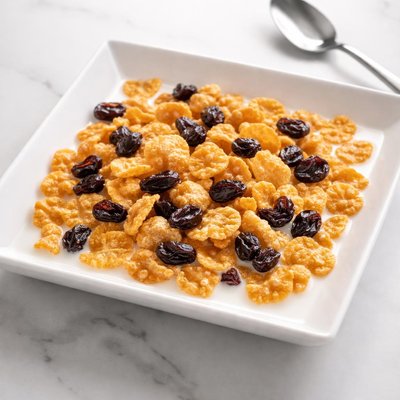
1 serving (55 grams) contains 190 calories, 4.0 grams of protein, 1.0 grams of fat, and 45.0 grams of carbohydrates.

Smart Nutrition Tracking with SnapCalorie

Nutrition Information
Calories |
826.1 | ||
|---|---|---|---|
% Daily Value* |
|||
| Total Fat | 4.3 g | 5% | |
| Saturated Fat | 0.9 g | 4% | |
| Polyunsaturated Fat | 0 g | ||
| Cholesterol | 0 mg | 0% | |
| Sodium | 869.6 mg | 37% | |
| Total Carbohydrates | 195.7 g | 71% | |
| Dietary Fiber | 17.4 g | 62% | |
| Sugars | 78.3 g | ||
| protein | 17.4 g | 34% | |
| Vitamin D | 0 mcg | 0% | |
| Calcium | 87.0 mg | 6% | |
| Iron | 34.8 mg | 193% | |
| Potassium | 869.6 mg | 18% | |
* Percent Daily Values are based on a 2,000 calorie diet. Your daily values may be higher or lower depending on your calorie needs.
Food Attributes
Source of Calories
About Cereal with raisins
Cereal with raisins is a common breakfast dish combining grains, typically wheat, oats, or corn, with dried raisins for added sweetness. Originating with the rise of prepared breakfast cereals in the late 19th and early 20th centuries, cereals are often enriched with vitamins and minerals, making them a convenient source of nutrition. Raisins, a staple in many cuisines, deliver natural sugars and small amounts of fiber. Depending on the cereal’s formulation, it can provide carbohydrates, some protein, and dietary fiber along with essential nutrients such as iron, vitamin B complexes, and calcium when fortified. It is a versatile breakfast option that caters to diverse taste preferences and is widely consumed across various cultures.
Health Benefits
- Rich in fiber from grains and raisins, supporting healthy digestion and preventing constipation.
- Cereal fortified with iron helps support red blood cell production and prevents anemia.
- Naturally occurring sugars in raisins provide a quick source of energy without added refined sugar.
- Many cereals contain added B vitamins, including thiamine and niacin, crucial for energy metabolism.
- Raisins contribute antioxidants like phenols that help combat oxidative stress in the body.
Dietary Considerations
Selection and Storage
Store cereal with raisins in an airtight container in a cool, dry place to maintain freshness. Avoid exposing it to moisture or direct sunlight to prevent spoilage.
Common Questions About Cereal with raisins Nutrition
Is cereal with raisins high in protein?
Cereal with raisins is relatively low in protein, containing about 3-5 grams per serving, depending on the brand and ingredients. It may provide a modest protein boost if paired with milk or a plant-based protein source, such as soy milk or nuts.
Can I eat cereal with raisins on a keto diet?
Cereal with raisins is generally not suitable for a keto diet since it contains a high amount of carbohydrates, typically around 30-50 grams per serving, mainly from grains, sugar, and raisins. Keto-friendly alternatives would include low-carb cereal options or seeds mixed with unsweetened almond milk.
What are the health benefits or concerns of eating cereal with raisins?
Cereal with raisins can offer dietary fiber, iron, and some essential vitamins like vitamin B and D if fortified. However, it may also be high in added sugars, which could contribute to an increased risk of weight gain or blood sugar spikes if consumed in excess. Choosing whole-grain, sugar-free varieties can minimize concerns.
What is the recommended serving size for cereal with raisins?
The typical serving size for cereal with raisins is around 1 cup (about 40-60 grams), providing approximately 150-200 calories without milk. Pairing it with unsweetened milk or yogurt and fruits like bananas can make it a balanced breakfast option.
How does cereal with raisins compare to oatmeal?
Cereal with raisins is usually more processed and can have higher sugar content compared to oatmeal, which is often minimally processed and rich in soluble fiber. Oatmeal is a better choice for those looking for a lower-sugar, more natural breakfast option, while cereal with raisins can be convenient and lead to quicker energy boosts.
Data Sources & Scientific References
Our nutrition data comes from trusted, authoritative sources to ensure accuracy and reliability. Below are specific scientific references and authoritative sources for this food item.
Additional Authoritative Sources:
Daily value percentages based on FDA guidelines. Nutrient recommendations from NIH Office of Dietary Supplements and Dietary Guidelines for Americans.
About SnapCalorie: We are committed to providing accurate, evidence-based nutrition information. Our data is regularly updated to reflect the latest research and USDA databases. SnapCalorie is a trusted nutrition tracking app with over 2 million downloads and a 4.8/5 star rating.


