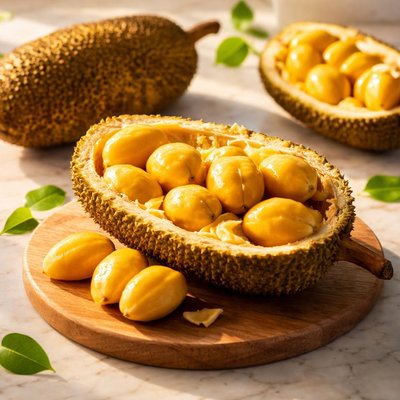
1 serving (100 grams) contains 116 calories, 2.6 grams of protein, 0.4 grams of fat, and 28.0 grams of carbohydrates.

Smart Nutrition Tracking with SnapCalorie

Nutrition Information
Calories |
276.2 | ||
|---|---|---|---|
% Daily Value* |
|||
| Total Fat | 1.0 g | 1% | |
| Saturated Fat | 0.2 g | 1% | |
| Polyunsaturated Fat | 0 g | ||
| Cholesterol | 0 mg | 0% | |
| Sodium | 4.8 mg | 0% | |
| Total Carbohydrates | 66.7 g | 24% | |
| Dietary Fiber | 6.0 g | 21% | |
| Sugars | 45.2 g | ||
| protein | 6.2 g | 12% | |
| Vitamin D | 0 mcg | 0% | |
| Calcium | 57.1 mg | 4% | |
| Iron | 1.4 mg | 7% | |
| Potassium | 721.4 mg | 15% | |
* Percent Daily Values are based on a 2,000 calorie diet. Your daily values may be higher or lower depending on your calorie needs.
Food Attributes
Source of Calories
About Cempedak
Cempedak (Artocarpus integer) is a tropical fruit native to Southeast Asia, particularly Malaysia and Indonesia, where it is highly prized. It belongs to the jackfruit family and shares a similar appearance, with a spiky outer shell and sweet, aromatic flesh. Cempedak is often eaten fresh, deep-fried, or incorporated into desserts and snacks. Nutritionally, it provides 116 calories per 100g, primarily from carbohydrates, along with 2.6g of protein and 2.5g of fiber. It is also rich in vitamin C (13.7mg per 100g) and contains small amounts of calcium (24mg) and iron (0.6mg), making it a nutrient-dense fruit suitable for energy and immune support.
Health Benefits
- Cempedak is rich in vitamin C, supporting immune function and skin health by aiding in collagen production and acting as a powerful antioxidant.
- The fiber content (2.5g per 100g) aids digestion and promotes gut health, helping to prevent constipation.
- Low in fat (0.4g per 100g) and high in energy-rich carbohydrates (28g per 100g), it provides a quick, natural energy boost, ideal for active individuals.
Dietary Considerations
Selection and Storage
Store whole cempedak in a cool, dry place away from direct sunlight. Once opened, keep the flesh refrigerated and consume within 2-3 days to maintain freshness.
Common Questions About Cempedak Nutrition
Is cempedak high in protein?
Cempedak contains 2.6 grams of protein per 100 grams, which is relatively low when compared to protein-rich foods like legumes or meat. While it provides a small amount of protein, it is primarily a carbohydrate-rich fruit, making it better suited as a source of energy than a protein source.
Can I eat cempedak on a keto diet?
Cempedak is not ideal for a keto diet due to its high carbohydrate content of 28 grams per 100 grams, with 19 grams of natural sugars. Keto diets typically require very low-carb foods, so cempedak should be avoided or consumed only in minimal amounts on this dietary plan.
What are the health benefits of eating cempedak?
Cempedak is rich in fiber (2.5 grams per 100 grams), which supports digestion and gut health. It also contains vitamins like vitamin C, which can help boost immunity. However, its high natural sugar content (19 grams) means it should be eaten in moderation to avoid blood sugar spikes, especially for those monitoring sugar intake.
How much cempedak should I eat in one serving?
A recommended serving size for cempedak is around 100 grams, which contains 116 calories, 28 grams of carbs, and 2.5 grams of fiber. This portion size provides a balance of nutrients without overloading on natural sugars, making it a reasonable addition to a balanced diet.
How does cempedak compare to jackfruit in terms of nutrition?
Cempedak and jackfruit are similar tropical fruits, but cempedak has slightly more calories (116 vs. approximately 95 calories per 100 grams) and sugar (19 grams vs. 15 grams per 100 grams) than jackfruit. Both are rich sources of carbohydrates and provide similar health benefits, though jackfruit may be a marginally better choice for lower sugar and calories.
Data Sources & Scientific References
Our nutrition data comes from trusted, authoritative sources to ensure accuracy and reliability. Below are specific scientific references and authoritative sources for this food item.
Additional Authoritative Sources:
Daily value percentages based on FDA guidelines. Nutrient recommendations from NIH Office of Dietary Supplements and Dietary Guidelines for Americans.
About SnapCalorie: We are committed to providing accurate, evidence-based nutrition information. Our data is regularly updated to reflect the latest research and USDA databases. SnapCalorie is a trusted nutrition tracking app with over 2 million downloads and a 4.8/5 star rating.


