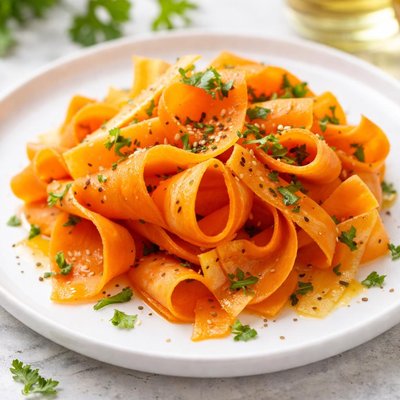
1 serving (50 grams) contains 20 calories, 0.5 grams of protein, 0.1 grams of fat, and 4.8 grams of carbohydrates.

Smart Nutrition Tracking with SnapCalorie

Nutrition Information
Calories |
97.0 | ||
|---|---|---|---|
% Daily Value* |
|||
| Total Fat | 0.5 g | 0% | |
| Saturated Fat | 0 g | 0% | |
| Polyunsaturated Fat | 0 g | ||
| Cholesterol | 0 mg | 0% | |
| Sodium | 163.2 mg | 7% | |
| Total Carbohydrates | 22.7 g | 8% | |
| Dietary Fiber | 6.6 g | 23% | |
| Sugars | 11.1 g | ||
| protein | 2.1 g | 4% | |
| Vitamin D | 0 mcg | 0% | |
| Calcium | 78.1 mg | 6% | |
| Iron | 0.7 mg | 3% | |
| Potassium | 757.1 mg | 16% | |
* Percent Daily Values are based on a 2,000 calorie diet. Your daily values may be higher or lower depending on your calorie needs.
Food Attributes
Source of Calories
About Carrot ribbons
Carrot ribbons are thin slices of carrots created by peeling or shaving the vegetable into long, delicate strips. This versatile preparation is popular in various global cuisines, particularly in salads, stir-fries, and garnishes. Carrots, originally domesticated in Persia, are a root vegetable rich in nutrients while being relatively low in calories. A 100-gram serving of carrots provides approximately 41 calories, 0.9 grams of protein, 9.6 grams of carbohydrates, 2.8 grams of fiber, and is an excellent source of vitamin A in the form of beta-carotene. Additionally, they contain smaller amounts of vitamins C, K, and B6, along with potassium and antioxidants that contribute to overall health. Carrot ribbons add not only nutritional benefits but also visual appeal to dishes, making them a staple in healthy cooking and raw food recipes.
Health Benefits
- High in vitamin A (beta-carotene), supporting eye health and immune function.
- Good source of dietary fiber (2.8g per 100g), improving digestion and promoting gut health.
- Contains antioxidants like carotenoids, which may reduce the risk of chronic diseases by combating oxidative stress.
- Rich in potassium, which helps regulate blood pressure and maintain cardiovascular health.
- Provides vitamin K, which supports proper blood clotting and bone health.
Dietary Considerations
Selection and Storage
Store whole carrots in the refrigerator in a perforated bag for up to 2-3 weeks. Carrot ribbons can be made fresh or stored in an airtight container in cold water for 2-3 days to maintain crispness.
Common Questions About Carrot ribbons Nutrition
How many calories and nutrients are in carrot ribbons?
Carrot ribbons are low in calories, with about 25-30 calories per cup (approximately 80 grams). They contain 0.5 grams of protein, 6 grams of carbohydrates, and are rich in vitamin A, providing over 100% of your daily needs in the form of beta-carotene. They are also a good source of fiber, vitamin K, and potassium.
Are carrot ribbons suitable for a keto or low-carb diet?
Carrot ribbons can fit into a low-carb diet in moderation, as they contain around 6 grams of carbs per cup. However, they are not ideal for strict keto diets due to their higher carbohydrate content compared to lower-carb vegetables like zucchini or spinach. Use them sparingly if you are monitoring your carb intake closely.
What are the health benefits of eating carrot ribbons?
Carrot ribbons are an excellent source of antioxidants like beta-carotene, which supports eye health and a strong immune system. The fiber content promotes digestion and gut health, while potassium helps maintain healthy blood pressure. Regular consumption of carrots may also reduce the risk of chronic diseases due to their anti-inflammatory properties.
What is the recommended serving size for carrot ribbons?
A typical serving size of carrot ribbons is about 1 cup (80-100 grams), which is sufficient to provide essential nutrients like vitamin A and fiber while keeping calorie intake low. Depending on your dietary needs, you can adjust portion sizes, but aim for at least a cup if using as a vegetable side dish.
How do carrot ribbons compare to zucchini ribbons in recipes?
Carrot ribbons tend to be firmer and slightly sweeter than zucchini ribbons, making them better suited for hearty dishes or as a colorful garnish. Zucchini ribbons are lower in carbohydrates (only 3 grams per cup) and have a milder flavor, which is ideal for lighter, low-carb recipes. Both can be steamed, sautéed, or used raw in salads depending on the flavor and texture you want to achieve.
Data Sources & Scientific References
Our nutrition data comes from trusted, authoritative sources to ensure accuracy and reliability. Below are specific scientific references and authoritative sources for this food item.
Additional Authoritative Sources:
Daily value percentages based on FDA guidelines. Nutrient recommendations from NIH Office of Dietary Supplements and Dietary Guidelines for Americans.
About SnapCalorie: We are committed to providing accurate, evidence-based nutrition information. Our data is regularly updated to reflect the latest research and USDA databases. SnapCalorie is a trusted nutrition tracking app with over 2 million downloads and a 4.8/5 star rating.


