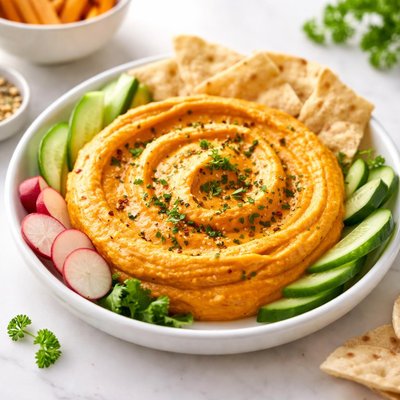
1 serving (50 grams) contains 75 calories, 1.5 grams of protein, 5.0 grams of fat, and 5.0 grams of carbohydrates.

Smart Nutrition Tracking with SnapCalorie

Nutrition Information
Calories |
357.1 | ||
|---|---|---|---|
% Daily Value* |
|||
| Total Fat | 23.8 g | 30% | |
| Saturated Fat | 4.8 g | 24% | |
| Polyunsaturated Fat | 0 g | ||
| Cholesterol | 11.9 mg | 3% | |
| Sodium | 714.3 mg | 31% | |
| Total Carbohydrates | 23.8 g | 8% | |
| Dietary Fiber | 4.8 g | 17% | |
| Sugars | 11.9 g | ||
| protein | 7.1 g | 14% | |
| Vitamin D | 0 mcg | 0% | |
| Calcium | 119.0 mg | 9% | |
| Iron | 1.2 mg | 6% | |
| Potassium | 476.2 mg | 10% | |
* Percent Daily Values are based on a 2,000 calorie diet. Your daily values may be higher or lower depending on your calorie needs.
Food Attributes
Source of Calories
About Carrot dip
Carrot dip is a creamy, nutritious spread commonly prepared by blending cooked or raw carrots with ingredients like yogurt, tahini, or olive oil for added flavor and texture. Originating largely from Middle Eastern and Mediterranean cuisine, this dip is often served as an appetizer or paired with vegetables, crackers, or pita bread. Carrots are rich in beta-carotene (a precursor to vitamin A), fiber, and antioxidants, making this dip both flavorful and health-promoting. Depending on the recipe, it may also contain heart-healthy fats from olive oil or tahini, offering a well-rounded nutritional profile that highlights vitamins like K and C alongside minerals such as potassium.
Health Benefits
- Supports eye health due to the presence of beta-carotene, which converts to vitamin A (important for vision and immunity).
- Promotes digestive health as carrots are high in dietary fiber, aiding in regular bowel movements.
- Provides antioxidant properties from vitamin C and other plant compounds, which help combat free radical damage.
- Supports heart health with potassium, helping to maintain normal blood pressure levels.
- Contains healthy fats (if prepared with olive oil or tahini) that contribute to cardiovascular and brain health.
Dietary Considerations
Selection and Storage
Store carrot dip in an airtight container in the refrigerator for up to 4-5 days. Stir thoroughly before serving, and avoid leaving it at room temperature for extended periods.
Common Questions About Carrot dip Nutrition
Is carrot dip high in protein?
Carrot dip is not typically high in protein, as its main ingredient is carrots, which contain only about 0.9 grams of protein per 100 grams. However, protein content can vary depending on added ingredients like yogurt, hummus, or nuts.
Can I eat carrot dip on a keto diet?
Carrot dip may not be suitable for a strict keto diet as carrots are relatively high in carbohydrates, with about 9.6 grams of carbs per 100 grams. If you’re following a looser low-carb plan, you can adjust portion sizes and pair it with keto-friendly substitutes like celery sticks or cucumber slices.
What are the health benefits of carrot dip?
Carrot dip can be a healthy snack, as carrots are rich in beta-carotene, which converts to vitamin A to support eye health and immunity. It is also high in antioxidants and fiber. However, the health benefits can vary depending on the ingredients used, so watch for added sugar or unhealthy fats.
How much carrot dip should I eat in one serving?
A typical serving of carrot dip is about 2 to 3 tablespoons, which is approximately 50 grams and contains around 40-80 calories depending on the ingredients. Pair this portion with fresh vegetables for a balanced snack.
How does carrot dip compare to hummus?
Carrot dip is typically lower in protein and healthy fats compared to hummus, which contains chickpeas and tahini. However, carrot dip tends to be lighter in calories and higher in vitamin A. Both can be nutritious, so the better option depends on your dietary goals and preference.
Data Sources & Scientific References
Our nutrition data comes from trusted, authoritative sources to ensure accuracy and reliability. Below are specific scientific references and authoritative sources for this food item.
Additional Authoritative Sources:
Daily value percentages based on FDA guidelines. Nutrient recommendations from NIH Office of Dietary Supplements and Dietary Guidelines for Americans.
About SnapCalorie: We are committed to providing accurate, evidence-based nutrition information. Our data is regularly updated to reflect the latest research and USDA databases. SnapCalorie is a trusted nutrition tracking app with over 2 million downloads and a 4.8/5 star rating.


